Michigan Faces Rising Measles Threat Amid Controversial Vaccination Policies
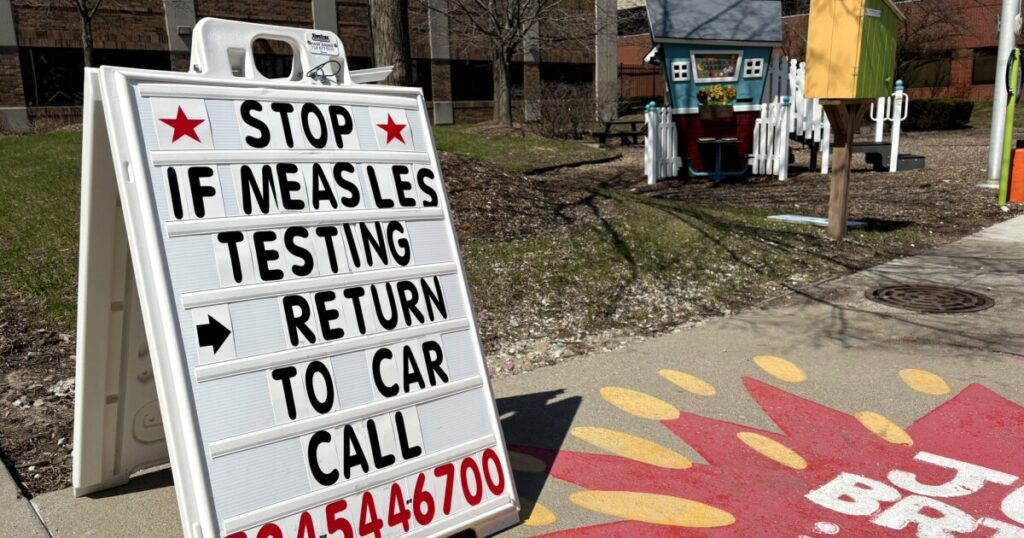
As measles cases surge in Michigan, state health officials have intensified their calls for parents to vaccinate young children against the disease. This urgency comes amidst a significant rise in vaccine exemptions among school-aged children, a trend that has been a decade-long concern for the state.
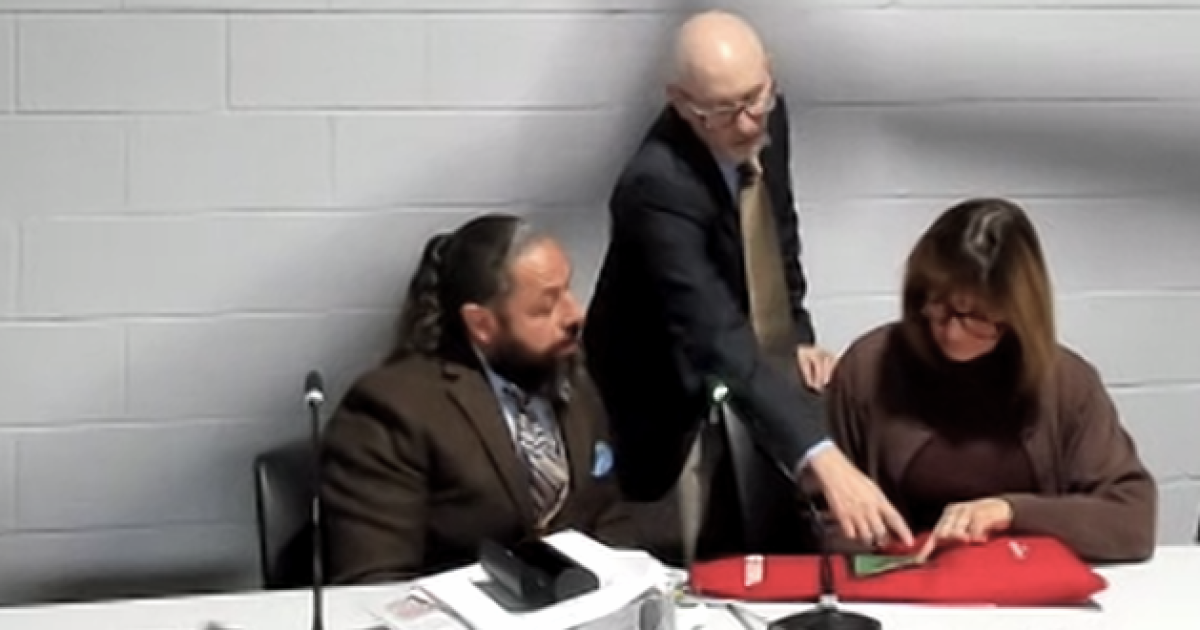
Efforts to tighten vaccination requirements have met resistance in certain areas, particularly in Michigan’s Thumb region. St. Clair County’s medical director, Dr. Remington Nevin, has embraced what he describes as “a new era of vaccine choice,” allowing parents to obtain vaccine waivers through a simple online process.
Instead of opposing this change, Michigan’s health department has supported a similar shift in over 30 counties, moving away from a policy that once effectively curtailed the number of vaccine opt-outs.
In 2015, Michigan mandated that parents seeking vaccine waivers attend an in-person educational session at local health departments. However, post-COVID-19, these sessions have been criticized as hostile and ineffective. In one instance, police were called to a high school due to tensions over vaccine waivers, highlighting the contentious nature of the state’s vaccination policies.
In response, a hybrid waiver process is now offered, allowing parents to complete a brief online course before visiting health departments for waiver approval. This approach marks a strategic shift in a state that has witnessed polarizing debates over pandemic restrictions.
According to Natasha Bagdasarian, Michigan’s chief medical officer, “At schools where vaccination rates hover between 30% to 40%, it is ‘simply not possible to keep diseases like measles at bay.'”
Historical Context and Policy Changes
Previously, Michigan held the fourth-highest vaccine waiver rate in the U.S. Health officials believed some parents were opting for waivers due to registration pressures rather than conviction. The situation gained national attention during a measles outbreak linked to Disneyland, prompting California to eliminate nonmedical vaccine waivers entirely.
Michigan responded with an administrative rule requiring education on the risks and benefits of vaccines before granting waivers. Norm Hess of the Michigan Association for Local Public Health noted, “‘Oops, I forgot to do this. I’m just going to sign a waiver and be done with it,’ was a common sentiment.”
Challenges in Vaccine Education Sessions
Dr. Juan Marquez, medical director for Livingston and Washtenaw counties, described the in-person sessions as “really creating an unsafe setting” for health workers. Instances of verbal abuse towards staff during these sessions led to a reevaluation of their effectiveness.
With measles cases reported in Washtenaw County and statewide vaccine waiver requests on the rise, the state has faced challenges in maintaining public health initiatives amidst political and public resistance.
The New Hybrid Approach
Initially, state immunizations director Ryan Malosh opposed replacing in-person sessions with an online course. Concerns arose about increased waiver requests leading to potential outbreaks. However, the online course in Livingston County did not lead to a surge in requests, prompting a statewide adoption of the model.
The University of Michigan’s standardized online course, requiring 20 to 30 minutes to complete, has been rolled out across a third of Michigan’s counties, with parents required to finalize the waiver process in person.
Ongoing Conflicts and Community Reactions
Despite the hybrid system’s rollout, confusion and disputes persist. In St. Clair County, a family’s refusal to comply with any waiver process led to law enforcement involvement, showcasing the ongoing tensions surrounding vaccination policies.
Dr. Remington Nevin, addressing the situation at a public meeting, emphasized the mistrust some residents have towards state health directives. Meanwhile, state officials focus on educating parents about the serious risks of diseases like measles.
Malosh stated, “Local health departments get to decide for themselves in a lot of ways what’s best for their residents,” highlighting the autonomy and diverse approaches within Michigan’s counties.
—
Read More Michigan News