Concerns Raised Over Accessibility Issues for Incarcerated Women in Michigan
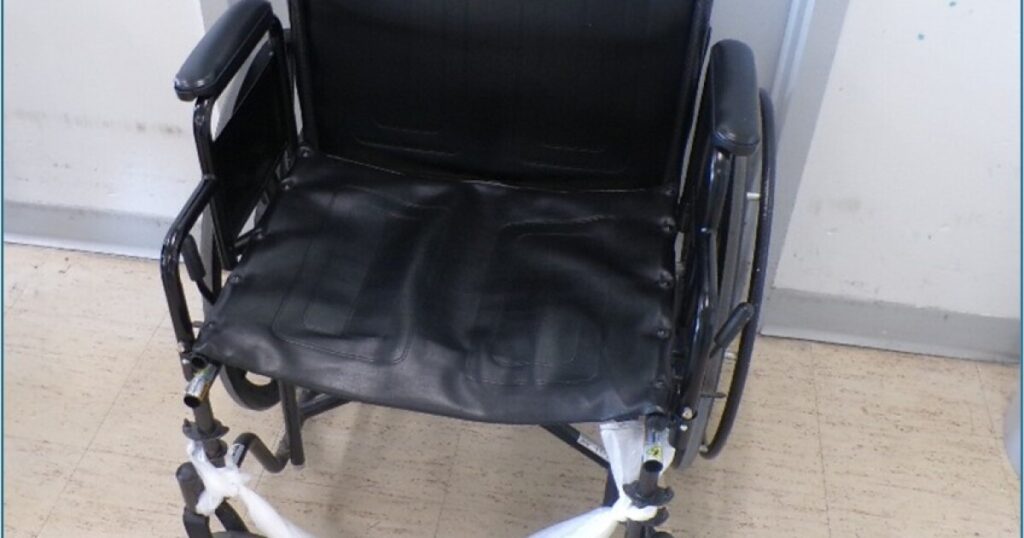
Incarcerated women in Michigan reportedly face significant challenges accessing essential services like food and medicine, largely due to a shortage of wheelchairs, according to a recent report. Disability Rights Michigan, an organization responsible for monitoring disability protections in the state, released the report highlighting these issues.
One wheelchair user conveyed to Disability Rights Michigan, “We have diabetics that at times go too low [on their blood sugar], those who have seizures. If someone feels they are not able to walk that far [to the cafeteria], they go without eating.”
The report by Disability Rights Michigan (DRM) revealed that women relying on attendants to push their wheelchairs missed nearly half of their meals and a majority of their prescribed medications for conditions such as seizures, diabetes, and high blood pressure.
These conclusions emerged from interviews with over 200 women, assessments of attendance logs from the cafeteria, medical records, and site visits to Women’s Huron Valley Correctional Facility, Michigan’s sole female correctional institution.
Simon Zagata, who supervises state facility issues, emphasized the importance of food and medicine for well-being, noting, “This just confirmed the reports we had heard for years and confirmed that this was a real problem. It was really impacting in ways that were really concerning for their health and well-being.”
Beyond basic needs, the report points out that women dependent on wheelchairs are also missing out on various programs like Alcoholics Anonymous and educational courses, which could affect their parole opportunities.
Zagata indicated that the Michigan Department of Corrections, responsible for managing Women’s Huron Valley, had been informed about these issues as part of ongoing monitoring efforts. “We talk about the issues with the department as we monitor,” he stated. “And so we’ve made them aware, and there just have not been changes that have solved the problem.”
Accessibility issues were initially highlighted in a 2010 U.S. Department of Justice investigation, which criticized the state of wheelchairs as “broken, dirty, and ill-fitting.” Despite the call for adequate wheelchairs, internal DRM emails suggest staff were instead reducing the number of women approved for wheelchair use.
A January 2024 email from a medical provider at Women’s Huron Valley stated, “As these [wheelchair] for distance details expire and patients request them, the [medical practitioners] onsite have been educated to be very judicious in who gets them renewed.”
The Department of Corrections has acknowledged the report but refrained from commenting as it is currently under review.
—
Read More Michigan News