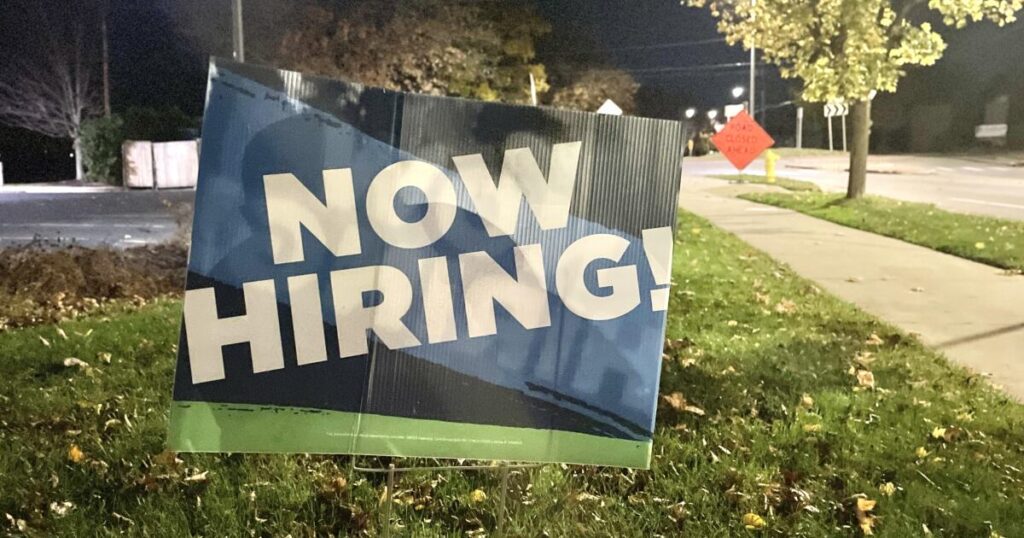
Michigan Legislative Effort Aims to End Salary History Requirements in Job Applications
This week, a Michigan Senate committee began discussions on a new legislative proposal that could significantly alter hiring practices in the state. The proposed bill seeks to prohibit employers from requesting job applicants’ salary histories before offering employment.
Senator Sarah Anthony, representing Lansing and leading this initiative, presented the bill to the Senate Labor Committee. She emphasized that current practices contribute to persistent wage disparities, particularly affecting women who continue to earn less than their male counterparts in equivalent roles. Anthony stated, “It helps to stop unfair pay practices from following workers from one job to the next and supports greater economic stability for families.” She further highlighted the broader impact of pay inequity, noting, “Lower wages means families have a harder time affording housing, childcare, groceries, transportation, healthcare, and it becomes harder to save for retirement.”
The proposed legislation doesn’t stop at salary histories; it also aims to restrict employers from inquiring about an applicant’s history of fringe benefits and credit history, with exceptions for specific finance-related positions where such information is mandated by law or professional standards.
Charity Dean, affiliated with the Michigan Black Business Alliance and an entrepreneur in Detroit, voiced her support, asserting that the bill would enable lower-income workers, particularly women, to advance to roles that better reflect their skills and qualifications. Dean remarked, “When we think about solving the workforce issue, often we think about how can we be creative, how can we create incentives, but also how can we make sure and ensure that there is transparency and equity in our practices.”
Senator Anthony pointed out that similar legislation already exists in over 20 states or local jurisdictions. In Michigan, a 2019 executive directive by Governor Gretchen Whitmer already discourages state agencies from seeking applicants’ salary histories for state jobs and advises against inadvertently discovering such information.
The Senate committee approved the current version of the bill with a 3-1 vote along party lines; however, it has yet to proceed to the Senate floor for further consideration. Democrats are working towards reaching an agreement with business groups that have expressed opposition. Notable organizations such as the Michigan Chamber of Commerce, Michigan Manufacturers Association, Small Business Association of Michigan, National Federation of Independent Businesses, and the Detroit Regional Chamber have registered their dissent.
—
Read More Michigan News