Debate Highlights: Michigan Senate Hopefuls Discuss Political Allegiances and Key Issues
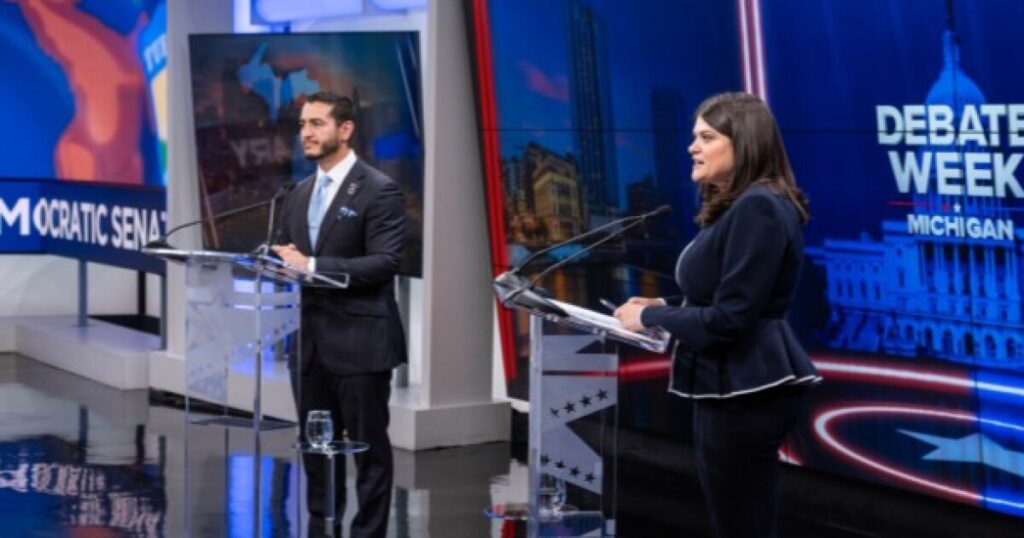
The race for Michigan’s open U.S. Senate seat is heating up, with candidates focusing more on their political alignments rather than specific policies. During a debate hosted by WOOD-TV in Grand Rapids, the candidates outlined their visions and criticized each other’s campaign strategies.
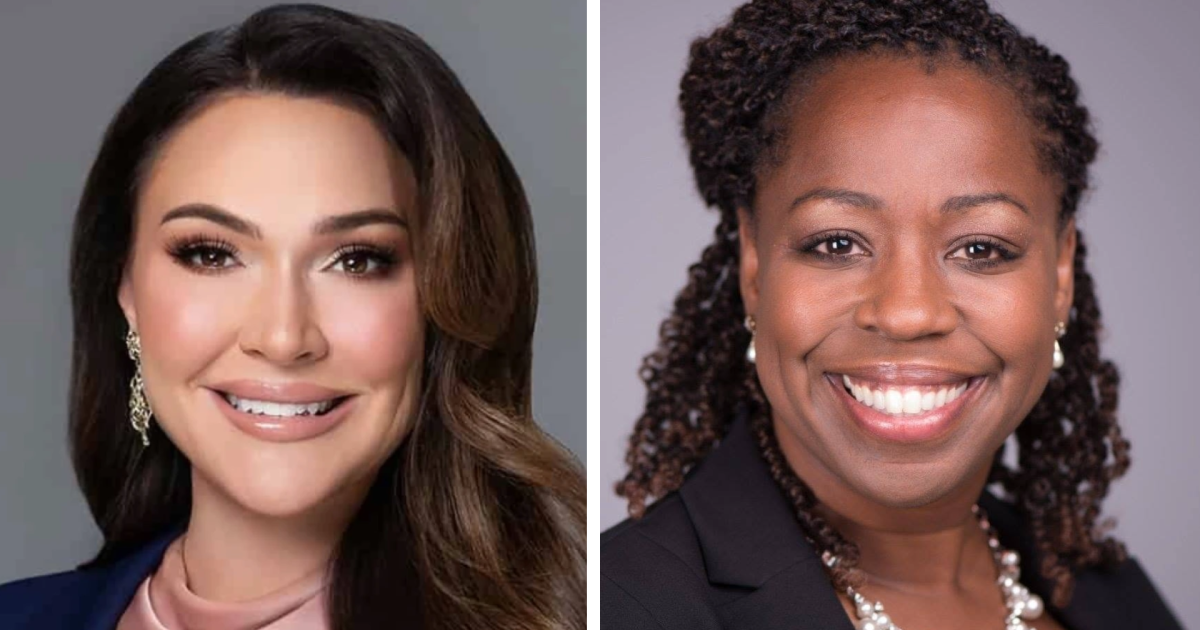
Congresswoman Haley Stevens and Abdul El-Sayed, formerly Wayne County’s Health Director, are in a tight race for the Democratic nomination in the upcoming primary on August 4. Stevens emphasized her legislative achievements, portraying herself as a “workhorse” ready to challenge the status quo. She repeatedly stated, “I’ve got the receipts, I have passed big pieces of legislation,” citing her efforts in securing STEM grants and contributing to the CHIPS and Science Act.
El-Sayed, however, focused on the influence of external funding in Stevens’ campaign. Reports from AdImpact indicate that more than $34 million has been spent supporting Stevens. El-Sayed critiqued these expenditures, arguing they represent corporate interests rather than voter concerns. He said, “You’ve probably seen ad after ad after ad. Not one of those ads was brought to you by the Congresswoman’s campaign.” Stevens countered these claims, asserting her independence from any financial influences and suggesting El-Sayed was more interested in seeking attention than effecting change.
The debate has been framed nationally as a clash between progressive and moderate wings of the Democratic party. Despite this, both candidates insist that the primary issue is selecting the best representative for Michigan. Stevens identifies her campaign with support for small businesses and manufacturers, while El-Sayed aims to redirect politics towards public interests and reduce corporate influence.
Policy discussions during the debate touched on international relations and domestic issues. Both candidates criticized Israeli Prime Minister Benjamin Netanyahu, although their critiques differed. Stevens accused Netanyahu of lacking long-term vision, while El-Sayed opposed U.S. funding for Israeli military actions. On immigration, Stevens called for accountability and reforms in ICE, whereas El-Sayed advocated for its abolition.
On technology issues like AI and data centers, El-Sayed proposed public ownership of AI firms to benefit the public. Stevens, on the other hand, advocated for safeguards to ensure Michigan benefits from technological advancements without missing out on innovations.
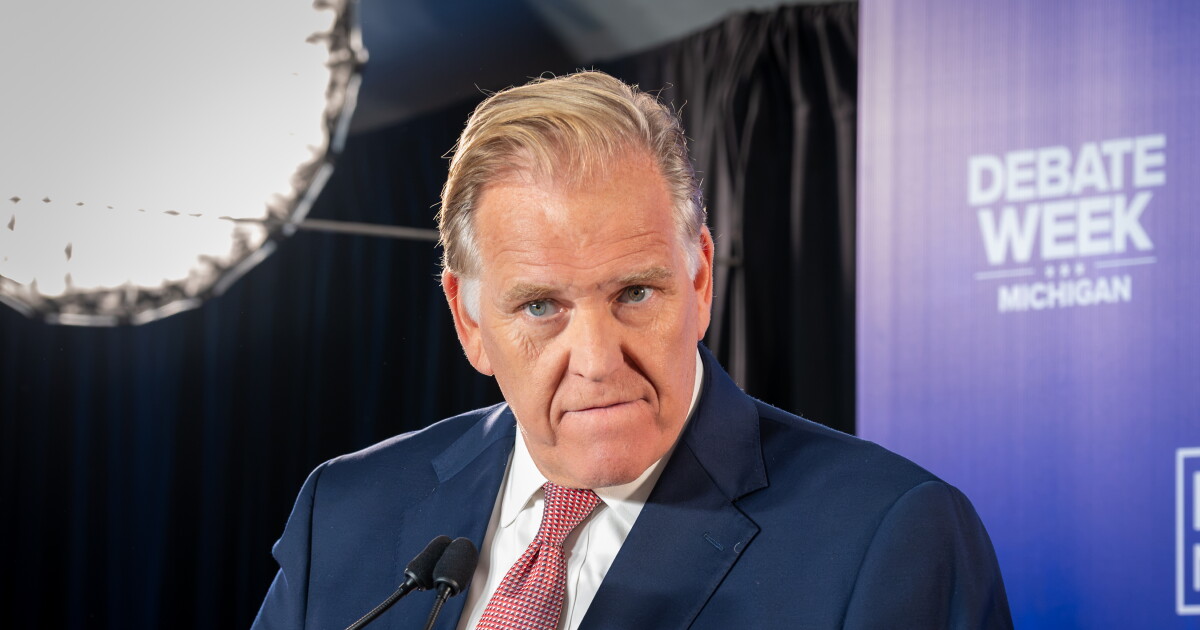
Despite their differences, Stevens and El-Sayed found common ground on issues such as affordable childcare, taxing billionaires fairly, and securing social security. The winner of the primary will face former Republican Congressman Mike Rogers in the general election.
—
Read More Michigan News