In the complex world of immigration detention, one of the last defenses against mistreatment has faltered, as NPR’s investigation reveals significant flaws in the grievance system. This once vital recourse for detainees to report abuse has become ineffective, with many complaints either ignored or leading to retaliation.
The grievance system was intended to provide a secure way for detainees to report violations without fear of reprisal, addressing issues such as poor conditions and medical neglect. However, NPR’s review indicates that this system is largely inoperative, leaving detainees without a voice in a system already stripped of oversight during the Trump administration’s tenure, which dismantled oversight offices.
Families of detainees attribute the lack of accountability to a surge in deaths in custody, with 53 fatalities reported since Trump’s second term began. Critics argue that this has driven more detainees to hunger strikes in protest of the inhumane conditions.
Despite inquiries, the Department of Homeland Security has not clarified its grievance handling procedures or contractor oversight. They referred NPR to the 2011 Performance-Based National Detention Standards, which outline but don’t ensure the system’s intended function.
D.E.’s Experience
A poignant example of the system’s failure is D.E., who has battled a brain tumor for 12 years. Taken by ICE just before starting chemotherapy, D.E. suffered a severe seizure at the California City Detention Center due to delayed medication. Despite filing a grievance, he received no remedy.
“I could feel it coming and I didn’t want to hurt myself, so I jammed my arm between the metal bed frame and the wall to lock myself in place,” D.E. recounted to NPR. His fear of falling into a nearby toilet during a seizure was intense, fearing he might drown.
Oversight Erosion
Immigration attorneys and advocates report that D.E.’s ordeal is not unique, pointing to a dysfunctional grievance process. The patchwork standards, varying by contract date, contribute to inconsistent enforcement, explained Chris Brundage, a former deputy of the defunct Office of the Immigration Detention Ombudsman.
The Trump administration significantly weakened oversight by gutting the budgets of the Office of Detention Oversight and the Immigration Detention Ombudsman. These cuts left grievances uninvestigated, with over 500 civil rights complaints frozen, according to the Government Accountability Project.
Grievance Tracking Issues
Despite past office closures, tracking grievances remains impossible as ICE and private contractors are not mandated to report grievance data. This lack of transparency obscures systemic issues, with advocates accusing it of being a deliberate attempt to hide internal conditions.
A 2024 study by the ACLU and California Collaborative for Immigrant Justice documented 485 grievances, revealing that most complaints about staff misconduct and poor living conditions were dismissed or unresolved, with only 8% of grievances favoring detainees.
CoreCivic’s senior director of public affairs, Ryan Gustin, claims their grievance process is robust and monitored by regular ICE reviews. However, the actual effectiveness and transparency of these processes remain questionable.
Congressional Visits and Legal Actions
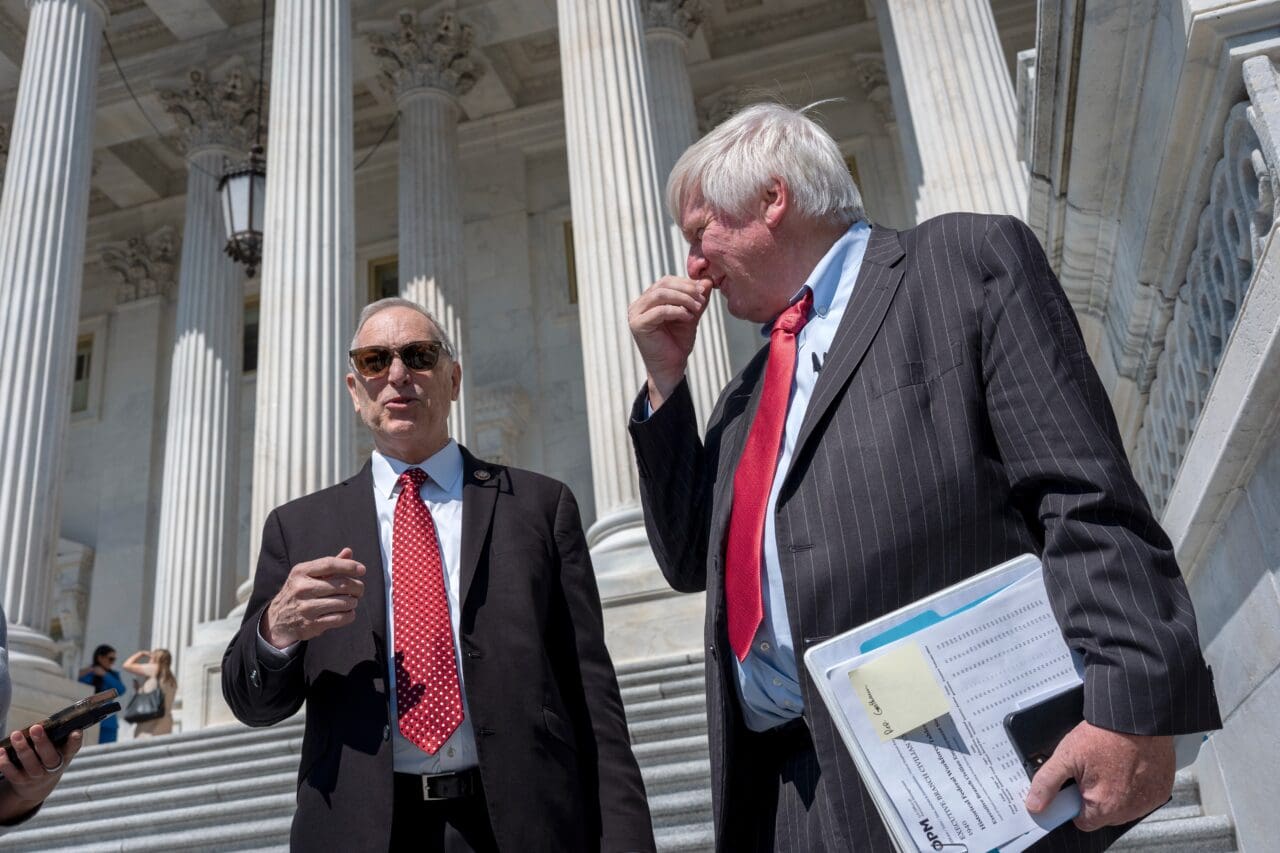
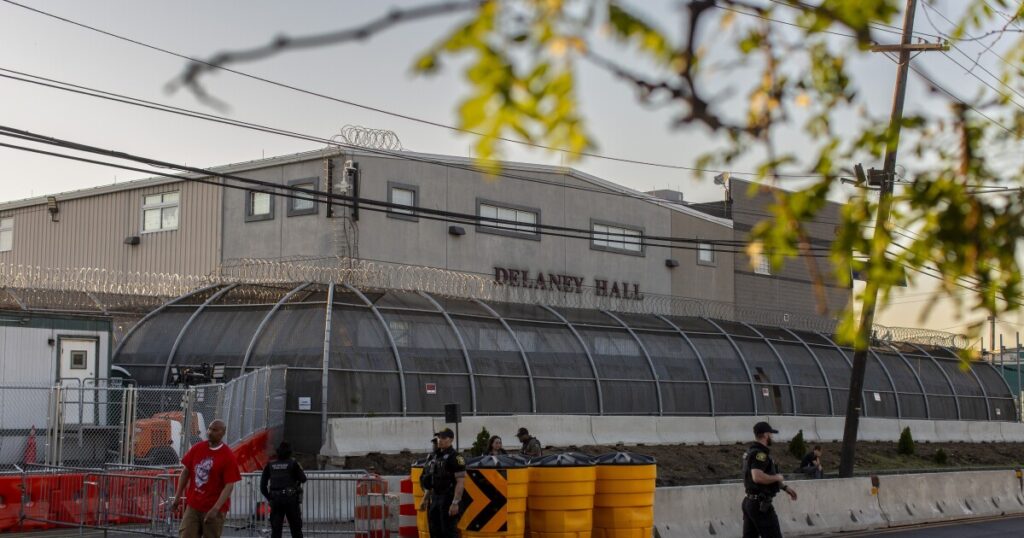
Despite restrictions on unannounced visits, Congressman Joaquin Castro continues to inspect detention sites, reporting operational violations and a non-functioning grievance process. In New Jersey, GEO Group faced legal action for blocking health inspections after detainees protested over poor conditions.
In California, a class-action lawsuit against ICE and The GEO Group led to a federal judge ordering immediate improvements and independent oversight at the Adelanto Processing Center due to its ineffective grievance procedures.
D.E.’s Continued Struggle
D.E., who moved to the U.S. at 18, has lived undocumented for years supporting his family in Mexico. During his detention, his pleas for medical attention were ignored despite providing detailed health information and requests for chemotherapy.
Transferred between facilities, D.E. suffered multiple seizures due to inconsistent medication delivery. Despite filing grievances, he received no responses, highlighting the system’s failure to protect detainees’ health and safety.
Copyright 2026 NPR
—
Read More Michigan News

![Botched Ad Mix-Up: Super PAC Error in Arizona Congressional Race[embed]https://www.youtube.com/watch?v=bEMgIlCkHz0[/embed]](https://www.kitchentablenews.org/wp-content/uploads/2026/10/Botched-Ad-Mix-Up-Super-PAC-Error-in-Arizona-Congressional-RaceembedhttpswwwyoutubecomwatchvbEMgIlCkHz0embed.com2F0e2F962Fe971102f49e7a4f2a64fd3cc60a22Fjonatha.png "Botched Ad Mix-Up: Super PAC Error in Arizona Congressional Race[embed]https://www.youtube.com/watch?v=bEMgIlCkHz0[/embed]")