Efforts Intensify to Secure Water Bill Assistance for Low-Income Families
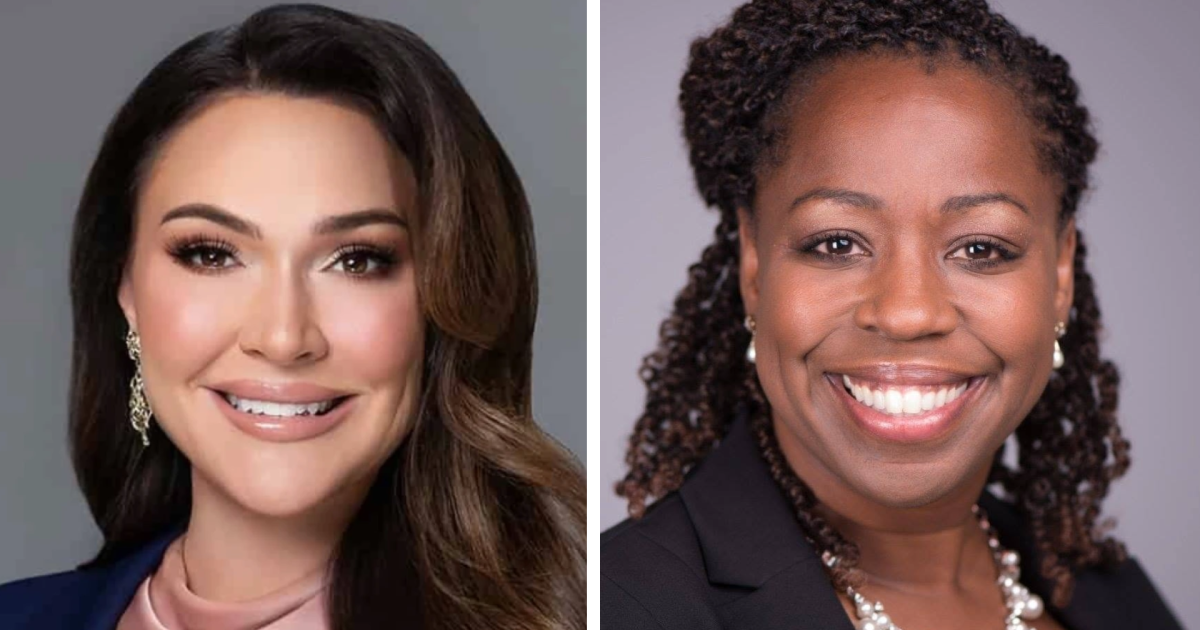
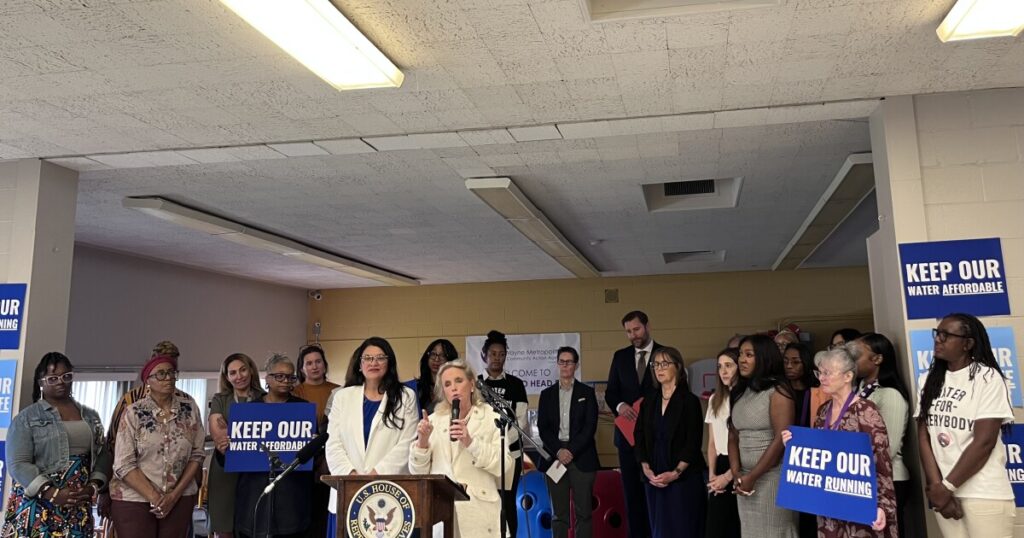
In a bid to address the escalating water costs burdening Michigan residents, Representatives Debbie Dingell and Rashida Tlaib have spotlighted a legislative proposal aimed at creating a sustainable fund for water bill assistance. This initiative, which was reintroduced in April, seeks to alleviate the financial strain on low-income households.
Representative Tlaib, motivated by a poignant story of a retired couple resorting to snow-melting to flush their toilet, emphasized the urgency of the measure. “I just thought, ‘oh my God, that’s so incredibly inhumane,” she remarked at a recent event held at the Wayne Metropolitan Community Action Agency in Dearborn Heights. “Why can’t we make sure that his water stays on? Especially when he worked all his life and it was just the water costs went up.”
The necessity for such a bill is underscored by findings from a University of Michigan study reporting a significant decline in federal investment in water infrastructure. This decline has contributed to rising water costs, which in 2023, nearly led Highland Park to the brink of municipal bankruptcy due to unpaid water debts.
For many Michigan residents living on fixed or low incomes, keeping up with rising bills is becoming increasingly challenging as inflation continues to climb. Although federal aid programs exist for energy bills, no equivalent permanent support is available for water expenses.
During the pandemic, Tlaib and Dingell were instrumental in advocating for a temporary water bill relief program, mirroring existing utility assistance schemes. However, according to Tlaib, “the money has run out, and that’s why we’re here (advocating for this bill),” highlighting that the Michigan portion of the $1.1 billion federal fund assisted over 30,000 households in maintaining water services.
“No person should have to decide whether they pay their water bill or buy groceries,” said Dingell, addressing the dire choices faced by many. “No senior living on a fixed income should worry that turning on the faucet could mean falling behind on their medication, and no child should ever come home to a house without running water because their family couldn’t keep up.”
As discussions advance, Dingell is urging fellow lawmakers on the House Appropriations Committee to deliberate on the proposal. Both Dingell and Tlaib acknowledge, however, that the bill is unlikely to progress before the midterm elections.
Tlaib is optimistic about the bill’s potential path forward, suggesting it could be integrated into the EPA budget similarly to previous pandemic measures, albeit with the caveat of needing to regain legislative control. She noted, “No one’s in opposition. I think it’s just more about how much (we can appropriate) and when.”
—
Read More Michigan News

![Jody White’s Unconventional Michigan Supreme Court Candidacy Explored[embed]https://www.youtube.com/watch?v=8NfxFIPE4ac[/embed]](https://www.kitchentablenews.org/wp-content/uploads/2026/10/Jody-Whites-Unconventional-Michigan-Supreme-Court-Candidacy-Exploredembedhttpswwwyoutubecomwatchv8NfxFIPE4acembed.com2F842F0e2Fc7223daa43c9876b36a4e00773a42Fme-supc.png "Jody White’s Unconventional Michigan Supreme Court Candidacy Explored[embed]https://www.youtube.com/watch?v=8NfxFIPE4ac[/embed]")