In a world where culinary nostalgia meets modern dietary preferences, Rudy’s Drive-In in La Crosse serves as a time capsule. Here, carhops glide on roller skates, delivering root beer and classic American cheeseburgers, evoking sentiments of a bygone era.
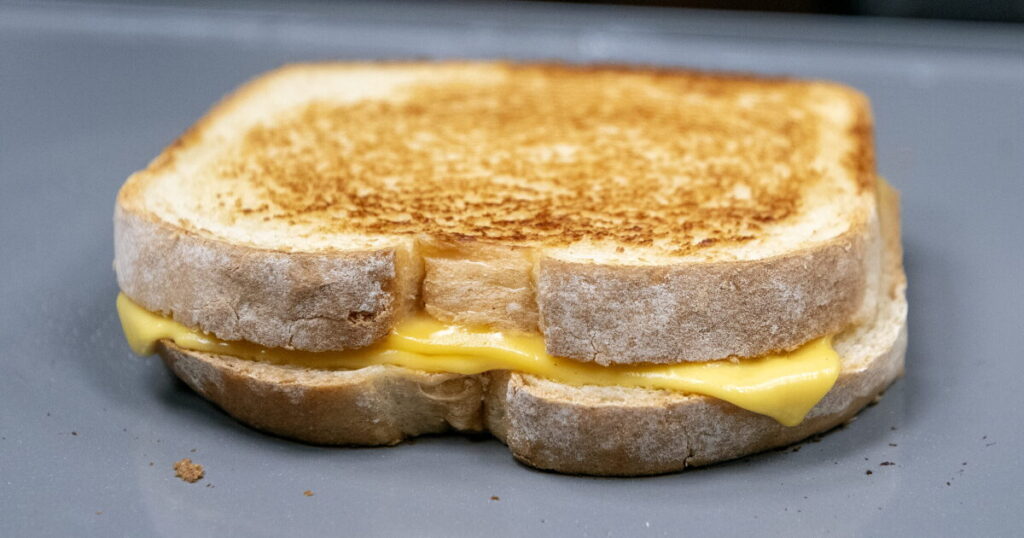
Inside, the sizzle of burgers topped with golden American cheese takes center stage. “It’s just the way it melts — you get the string pull off it,” says owner Justin Smith. “We use it on our chili dogs, too. Just the way it looks and melts down, it’s perfect.”
American cheese, a staple known for its distinctive melt, has persisted since Kraft introduced its slices in the 1950s. However, as trends shift towards healthier and more “natural” food options, the additives in American cheese have positioned it as a relic of the past.
In response, Sargento, a Wisconsin-based company, has launched its natural version of American cheese, reflecting modern consumer desires. “We have watched a long migration of people from processed American slices to natural slices,” stated Rod Hogan, senior vice president of innovation at Sargento. “We think part of it has been about flavor and variety. Part of it has also been about just this desire for cleaner-label, more natural foods.”
The science behind the melt
The secret to American cheese’s iconic melt lies in its chemistry. When heated, natural cheese’s protein structure can break down, leading to an oily texture. Lloyd Metzger, vice president of quality and technical services at Valley Queen Cheese, explains that processors enhanced shelf life and texture by blending natural cheese with emulsifying salt, creating a stable “fat-protein complex that’s stuck together.”
“When you re-melt it afterwards, it’s going to be this beautiful, smooth, even, velvety melt that you won’t ever get out of natural cheese,” Metzger explained.

A decade of trial-and-error pays off
Sargento’s journey to create a natural American cheese spanned ten years, marked by trial and error. John Rodgers, vice president of research and development, highlighted the significance of the grilled cheese sandwich as a test of success. The development team crafted thousands of sandwiches to perfect their recipe.
After an initial setback, Hogan noted that the team shifted focus to achieving scientific breakthroughs, ultimately leading to the successful launch of the product last year.
The future of American in a MAHA world
Amidst calls for healthier diets by initiatives like Make America Healthy Again, there is a growing emphasis on reducing processed foods. Yet, Alan Leavitt of New School American Cheese believes that rather than eliminating processed cheese, there will be a rise in cleaner alternatives.
For Sargento, differentiating their natural cheese from traditional American cheese is key. Hogan expressed hope that their product will entice consumers back to the flavors they love with an updated, natural twist.

Hope Kirwan originally reported this story for Wisconsin Public Radio.
This version of the story was produced in partnership with Harvest Public Media, a collaboration of public media newsrooms in the Midwest and Great Plains. It reports on food systems, agriculture and rural issues.
—
Read More Michigan News