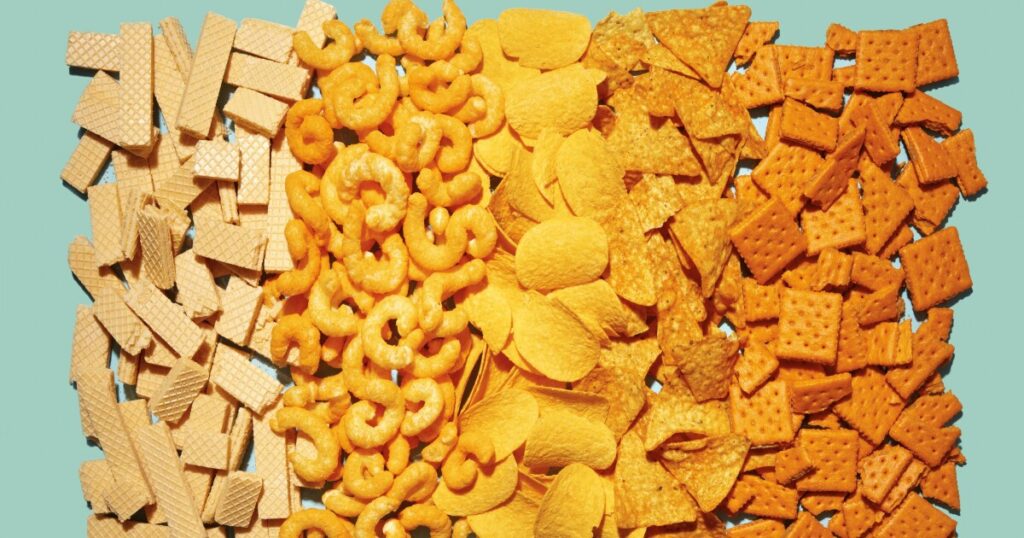
In the realm of consumer goods, tobacco companies have long been recognized for their impactful marketing and product strategies. Beginning in the 1980s, these firms extended their expertise to the food industry, acquiring major food companies and employing the same tactics to promote ultra-processed foods.
Laura Schmidt, a professor at the University of California, San Francisco, has delved into tobacco company archives and is among the researchers who contributed to a comprehensive series in the American Journal of Public Health. The papers argue for a shift in focus from tobacco to addressing the health impacts of ultra-processed foods.
Sugary sodas, salty snacks, and ready-made meals now prevalent in American diets are highlighted as significant health concerns. According to Nicholas Chartres, these products are linked to chronic diseases and were purposefully developed using similar strategies as tobacco products.
How Tobacco Strategies Influenced Food Production
The expansion of tobacco companies into the food sector marked a period of increased production of ultra-processed foods in the U.S. Companies like Philip Morris and RJ Reynolds leveraged their tobacco expertise to enhance food products’ appeal and addictiveness, Schmidt reveals.
“The very technologies that were used to figure out how to optimize the addictive properties of nicotine using added sugar and artificial flavorings – that core technology was transferred from the tobacco industry to ultra-processed food development,” Schmidt says.
Schmidt’s study examines the creation of Lunchables, where Philip Morris applied flavor technologies from cigarettes to processed food, like lower-fat cheeses.
The concept of “king-size” products, initially developed for cigarettes, was adapted to market larger food portions. Similarly, “light” versions of cigarettes inspired reduced-calorie food items to retain health-conscious consumers, notes Tera Fazzino.
Fazzino’s research showcases how during their ownership of food companies, tobacco giants flooded the market with hyper-palatable, ultra-processed foods that stimulate the brain’s reward system, making them difficult to resist.
Schmidt cites a former Philip Morris CEO equating ultra-processed foods to cigarettes as low-cost, mass-market products.
Despite requests for comment, Reynolds and Altria, which owns Philip Morris, did not respond. However, Consumer Brands Association’s Natalie Rubino emphasizes the commitment to safety and consumer information in their product offerings.
Expanding the Research on Health and Environment
Recent studies continue to illuminate the health ramifications of ultra-processed foods, linking them to conditions like obesity and diabetes. An investigation involving over 5,000 older adults found potential ties between high consumption of these foods and cognitive decline.
Environmental concerns also emerge, as companies producing these goods are major contributors to plastic pollution, according to an editorial in the journal. The Consumer Brands Association did not comment on these environmental issues.
Potential for Policy Change
A survey of 2,000 adults indicates bipartisan support for government regulation of ultra-processed foods. Lindsey Smith Taillie of the University of North Carolina suggests that the convergence of scientific evidence, public support, and political momentum could lead to policy action similar to tobacco regulation.
While the food industry wields considerable influence, state-level changes, such as bans on synthetic dyes, are underway. Potential litigation, akin to past tobacco lawsuits, could also address public health damages caused by these foods, argues Jennifer Pomeranz from New York University.
Pomeranz and others stress the urgency of action, pointing to the growing movement for healthier food standards reminiscent of the historic 1906 Food and Drug Act.
Copyright 2026 NPR
—
Read More Michigan News