Please note: This article contains explicit descriptions of sexual violence.
For Q, a transgender woman, life in Venezuela was fraught with danger due to prevalent discrimination and violence against the LGBTQ community. Upon arriving in the U.S., Q sought refuge and a fresh start in Pontiac, Michigan, but her journey took a devastating turn.
Q, whose full name is withheld due to her status as a sexual assault survivor, initially made strides towards a new life in Pontiac. She found work at a barbershop and was embraced by a supportive community. “That was what I was looking for—a way to help myself,” she reflected, grateful for the support she received from local friends and a new church.
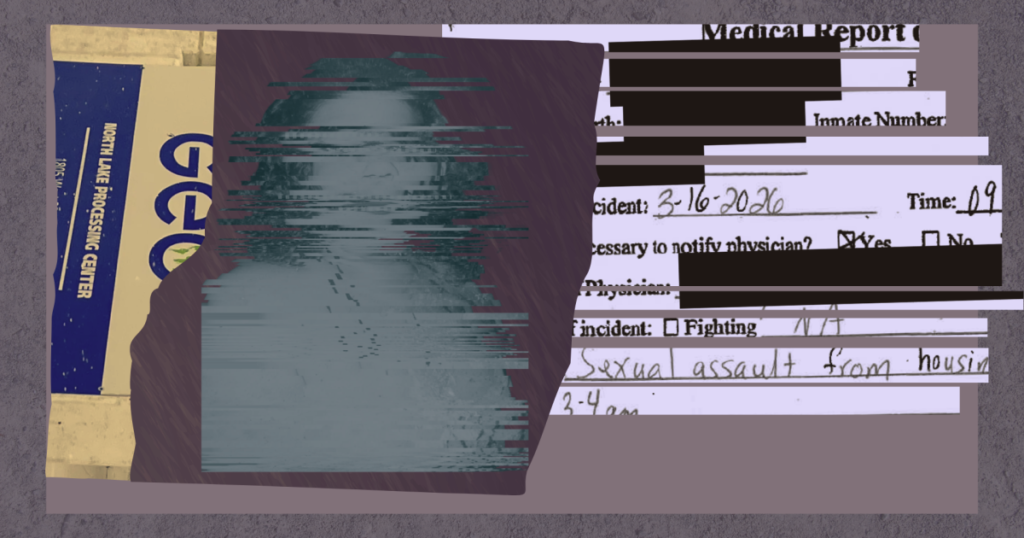
However, Q’s plans to apply for asylum were interrupted when Immigration Customs Enforcement (ICE) detained her due to an expired tourist visa. She was taken to the North Lake Processing Center, a for-profit detention center, where she was to spend her 50th birthday.
Life in the detention center became what Q describes as “hell,” as she faced repeated sexual harassment and assault. Q reported being strangled with a bedsheet, masturbated on, and forcibly penetrated. Despite telling administrators about the abuse, she initially received no help. “I was terrified,” Q recounted in Spanish.
Struggles in Detention
The North Lake Processing Center is required to adhere to the Prison Rape Elimination Act (PREA), meant to protect detainees from sexual abuse. However, Q’s experience has raised concerns about the facility’s compliance with these standards.
Jesse Lerner-Kinglake of Just Detention International commented, “These are some of the most tightly surveilled places in the world… The fact that this is where sexual assault could just happen without just multiple failures across the board is ludicrous.”
Despite Q informing staff of her identity as a transgender woman, she was placed in a cell block for men, where her cellmate began to harass her, escalating to sexual assault. Fearful of isolation as an alternative, Q chose to remain in her cell despite the abuse.
Calls for Help
Q attempted to use posted emergency numbers to report the abuse but claimed, “That’s a lie… no one ever answered me.” Her pleas for help were eventually heard after a severe assault, leading to her transfer for medical attention and an examination documenting significant injuries.
Q’s case is still under review by Lake County Prosecutor Tom Evans, but her deportation to Venezuela has severed her access to typical support available to U.S. sexual assault survivors.
From Venezuela, Q’s voice remains determined despite feeling abandoned by those she believed would protect her. “I was a victim of sexual abuse, I had no help or support from anyone, not from the deportation officials, not from the judge, not from anyone,” she asserted.
The ongoing investigation aims to uncover what happened at North Lake and ensure accountability, though experts like Cynthia Totten of Just Detention International assert that moving detainees complicates such investigations. “Even in cases where people are not transferred, we see very deep problems with investigations all the time,” Totten noted.
—
Read More Michigan News