Trump’s First Year of Second Term: A Year of Economic and Immigration Challenges
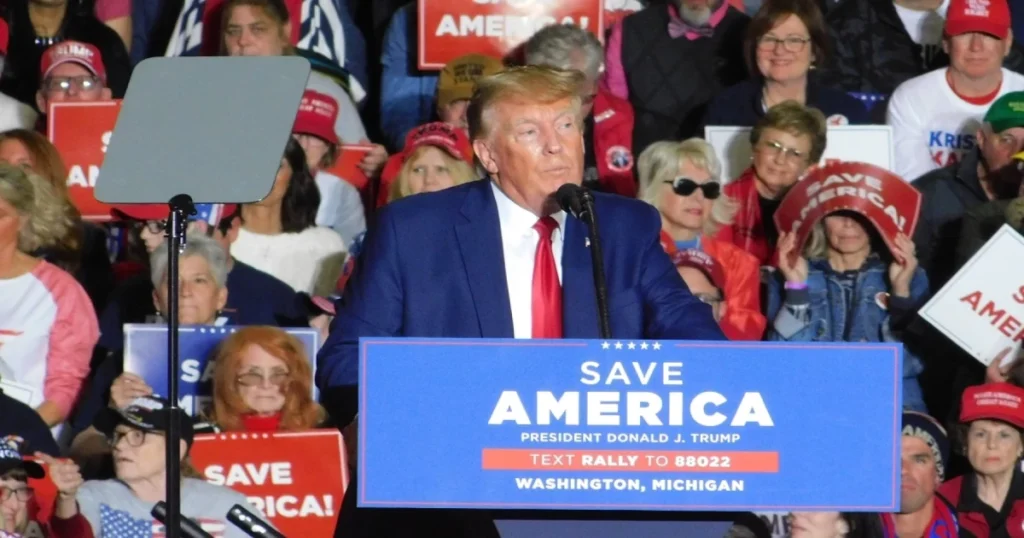
As President Donald Trump completes the first year of his second term, the economic and immigration policies of his administration remain in the spotlight. Efforts to revive Michigan’s manufacturing sector have seen Trump imposing tariffs on goods from various countries. Trump recently claimed in a Detroit speech that these measures are bearing fruit.
“Since I took office, Ford has announced it will invest $5 billion across its Michigan and Kentucky plants, creating 4,000 new jobs. GM is moving production of the Chevy Blazer and Equinox from Mexico,” said Trump.
However, criticism from Democrats suggests that these tariffs, along with the One Big Beautiful Bill Act, are increasing costs for Michigan residents. They argue that affordability will be a key issue in the upcoming elections.
Tim Hogan of the Democratic National Committee points to Yale University research suggesting lower income households are affected by tariffs and cuts to social safety nets. Similarly, KFF analysis indicates that the expiration of Affordable Care Act tax credits could leave 300,000 Michiganders uninsured.
“The reality that people are facing in their everyday lives is that things are getting more expensive. And it’s as simple as that, and they don’t see help coming,” Hogan remarked.
In contrast, Michigan Republican Party Chair Jim Runestad believes the economic outlook is improving, citing tax cuts and stabilizing inflation, despite consumer sentiment not reflecting this yet. “The growth in economy is increasing, the wages (are) increasing. But it takes time. All of this takes time to accomplish before they’re going to really start seeing that and feeling that when they go shopping,” observed Runestad.
Economic data paints a mixed picture. While state figures show growth in private sector jobs and wages, Michigan manufacturing jobs and hourly pay have slightly declined. This decline is partly due to struggles faced by auto parts suppliers with tariffs and reduced demand for electric vehicles, evidenced by GM’s layoff of 1,140 workers.
The narrative around immigration enforcement in Michigan is equally divisive. A White House press release highlights immigration policy as a triumph, yet over 2,300 arrests by Immigration and Customs Enforcement last year have drawn criticism.
Jim Runestad supports these measures, noting, “It costs a tremendous amount of money taking care of people here illegally and, for those who are competing with them, it depresses their wages.” In contrast, Christine Sauvé of the Michigan Immigrant Rights Center describes the enforcement as “lawless,” accusing agents of aggressive tactics.
Despite only seven Michigan agencies formally cooperating with ICE, Sauvé claims other departments are also involved in immigration enforcement, creating tension within communities. “They are being more hostile to immigrant residents and unnecessarily calling ICE or CBP for things that they don’t need to be involved in,” she stated.
As the November general elections approach, the outcome may hinge on which side of the economic and immigration debate resonates more with Michigan voters.
—
Read More Michigan News