Article Summary –
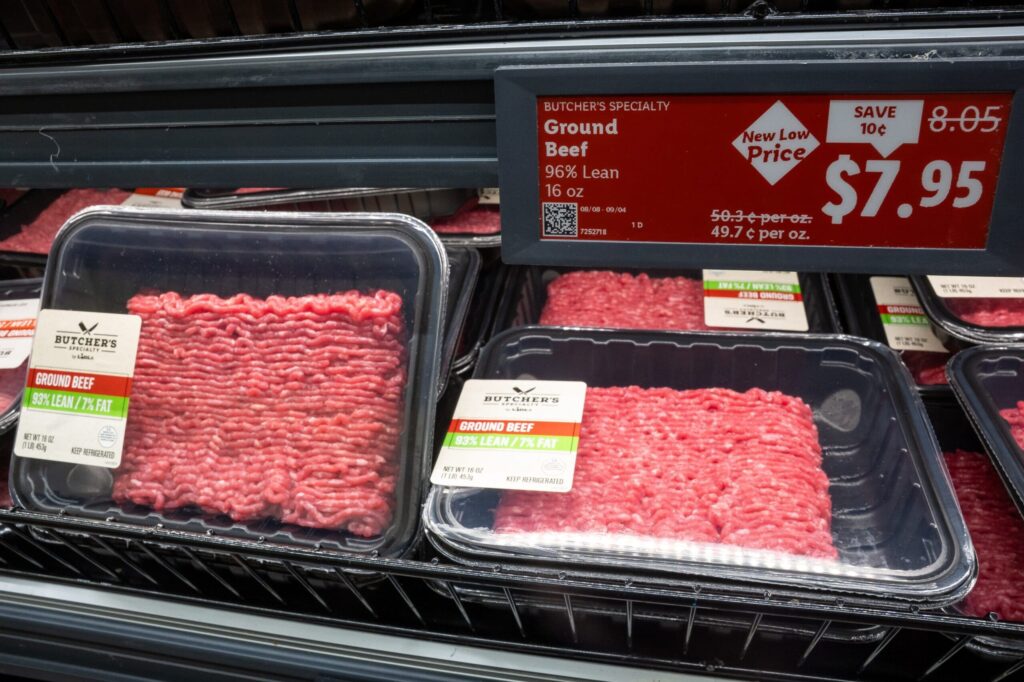
Beef prices in the United States have risen nearly 57% over the past five years, partly due to the smallest cattle herd in 75 years, prompting President Trump to waive tariffs on imported beef to combat high prices, a move that has disappointed domestic producers. Trump argues that this measure will lower beef prices for Americans and allow domestic herds to grow, but John Boyd Jr., a Virginia cattle rancher and National Black Farmers Association founder, criticizes the policy for potentially threatening the U.S. agriculture sector and national security. Boyd highlights the risks of losing skilled farmers and emphasizes the importance of preserving the domestic beef industry, expressing concern over uninspected imported beef and the long-term implications for American food sovereignty.
Beef prices in the United States have surged nearly 57% over the past five years, according to the U.S. Bureau of Labor Statistics. NPR reported the U.S. cattle herd is the smallest in 75 years amid drought and global competition.
President Donald Trump, to domestic beef producers’ dismay, plans to open American markets to cheaper imports. Last month, he announced a tariff suspension on 300,000 metric tons of imported ground beef for 90 days starting Sept. 1. In a Truth Social post, he claimed this move will reduce prices and help the American beef herd expand.
CNBC reported this beef, sourced from undisclosed countries, will be sold 25% below current market prices.
In February, Trump signed an executive order to import 80,000 metric tons of beef from Argentina.
John Boyd Jr., a fourth-generation farmer and founder of the National Black Farmers Association, expressed concerns about Trump’s policies in an interview with the American Independent.
Boyd stated, “The only thing we produce domestically without a pod is agricultural commodities like wheat, soybeans, corn, and beef. Trump imposed tariffs hurting farmers, escalating foreclosures, and bankruptcies. Yet, he claims to support farmers while harming the agricultural sector.”
Boyd, whose family has raised beef for over 100 years, emphasized that beef farming is more than just an industry; it’s about heritage and skill.
He said, “There’s an art to raising quality beef, passed down from my father and grandfather. It takes years to perfect the skills required for healthy beef production.”
Boyd warns that such expertise is vanishing, threatening the future of skilled beef farming in the U.S.
He criticized the lack of inspection for imported beef: “We don’t check this beef. Neither the president nor the agriculture secretary has identified its source, posing a national security risk.”
Boyd argued that relying on imports undermines the beef industry, endangering more farms with potential closures due to decreased sales.
“We risk losing farming independence, leading to less variety in supermarkets and reliance on other nations for food, a perilous stance for the U.S.,” Boyd warned.
When asked about increasing beef imports, Trump said he aims to lower beef prices, which voters and ranchers want.
Boyd wishes people would question the Trump administration about its policies causing American farmers to lose their farms.
“Working in 100-degree heat, trying my best to sustain our farm, reflects the hard life of farmers. Being treated poorly is deplorable,” Boyd said.
—
Read More Michigan News