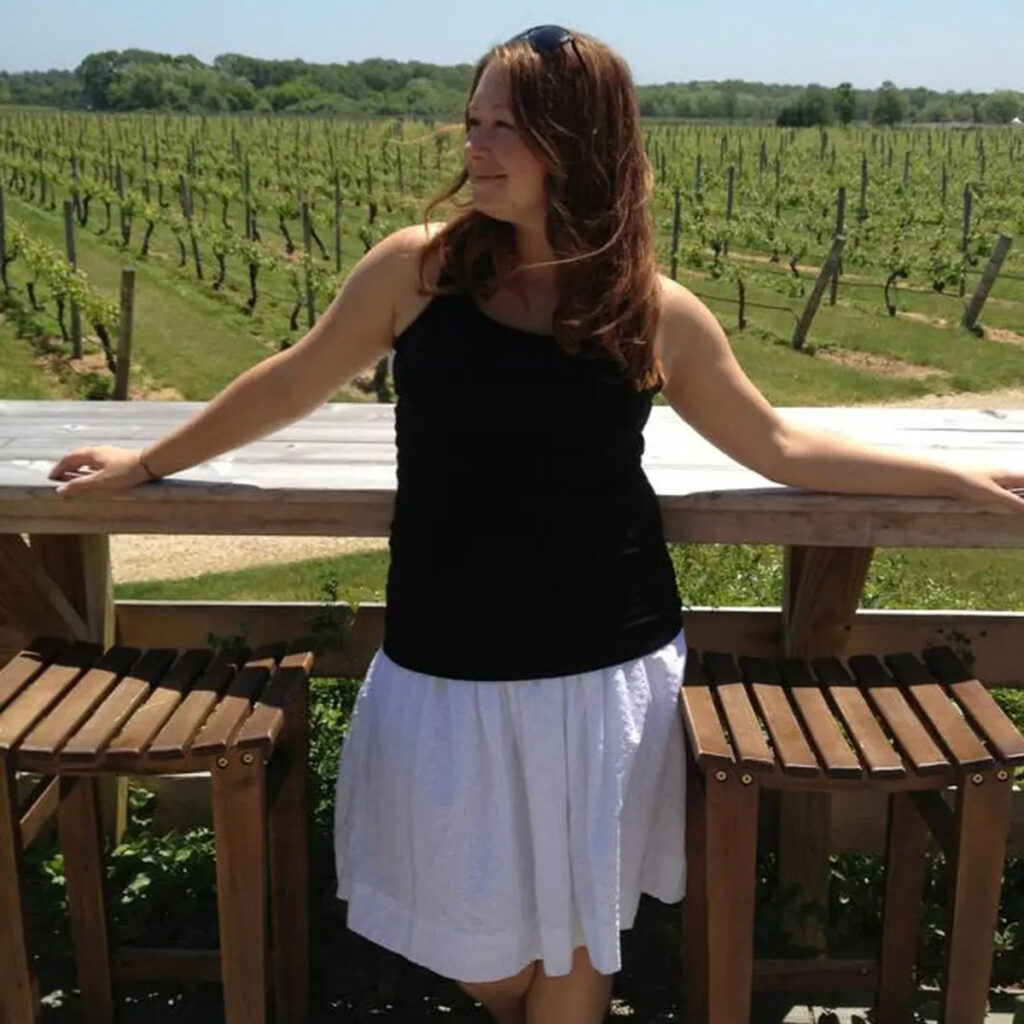
For much of her adult life, Meg Stowe seemed to be flourishing. She excelled as a teacher, completed her master’s and Ph.D. in English, and secured a coveted role at the University of Michigan’s Center for Research on Learning and Teaching. However, privately, Stowe was grappling with alcohol dependency, stemming from childhood trauma and family alcoholism.
“I was a very functional alcoholic,” she admitted. Despite her outward success, alcohol was a nightly habit. In recovery now, Stowe attributes her progress to her honesty about her addiction and the support she received from U-M.
“It’s not an exaggeration to say I would not have been able to get sober without the resources and flexibility I have here,” she said.

Growing up around alcohol and instability
Stowe’s exposure to alcohol began early in life. Raised in New York, her family battled addiction, with her father and grandparents suffering from alcoholism. Her grandmother’s accident and grandfather’s cirrhosis were linked to drinking.
“It was always there,” Stowe said. The loss of her mother at 12 led her and her sister into foster care, and by 16, she was legally emancipated. Alcohol became a coping mechanism during this tumultuous time.
From restaurants to wine and a culture of drinking
Stowe’s teenage years in the restaurant industry introduced her to wine, leading to a career in Florida as a wine consultant for Total Wine & More. Her role involved extensive tasting and education on wines, which fueled her existing issues.
“The problem was already there,” she said. Working in wine encouraged her to indulge further.
Hiding in plain sight
After the wine industry, Stowe returned to teaching, eventually pursuing a master’s and Ph.D. at the University of South Florida. Balancing teaching, classes, and tutoring was exhausting, and the academic environment was steeped in alcohol culture.
“Graduate school was probably the biggest shift in how my alcoholism affected me,” she said. Despite appearing successful, she was dependent on alcohol to unwind.
A new job, a new home and a hard truth
Stowe completed her Ph.D. in May 2022 and started at CRLT shortly after, with her husband joining her. In Detroit, with a slower pace, she acknowledged her drinking habits.
Attempts to moderate drinking failed, despite trying outpatient programs. She eventually considered herself a problem drinker but resisted the label of alcoholic.
Finding help — and using her U-M health benefits
The turning point was candidly discussing her drinking with U-M primary care physician, Jasmine Parvaz, who recommended naltrexone and addiction counseling through U-M insurance.
Stowe began working with therapist Cayla Yuhn to understand her drinking patterns and psychiatrist Paula Goldman to explore medical options. Vivitrol, covered by her U-M health plan, helped eliminate cravings.
“I was the first person at Michigan to try Vivitrol,” she said. It transformed her approach to alcohol, supported by therapy and Alcoholics Anonymous meetings.
Shared sobriety at home
Stowe’s husband is also sober. “We have the same sobriety date,” she said. Sobriety improved their home life and finances, allowing them to buy a house.
They now host board game nights, attend musicals, and travel. Stowe mentors teens in foster care, finding fulfillment in helping others.


A workplace that makes recovery possible
Stowe balances chronic health conditions with her recovery, thanks to U-M health coverage and CRLT’s supportive culture.
“Our insurance at U-M is incredibly generous,” she said. Her manager’s flexibility allows her to attend necessary appointments.
Reframing alcoholism as illness, not failure
Stowe’s understanding of alcoholism has shifted. “I thought if I admitted I was an alcoholic, it meant I was weak,” she said. Now, she sees it as a treatable disease, like diabetes.
Her openness aims to de-stigmatize alcoholism and inspire others. “There’s this beautiful other life you could be living,” she said, offering hope to those in similar situations.
—
Read More Michigan News