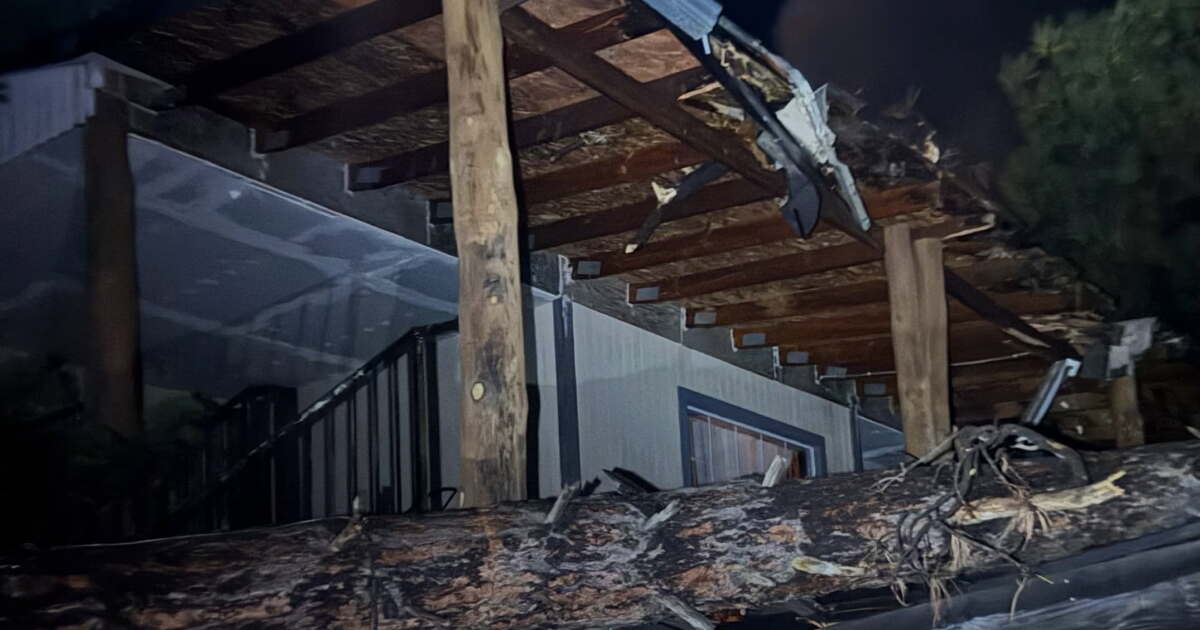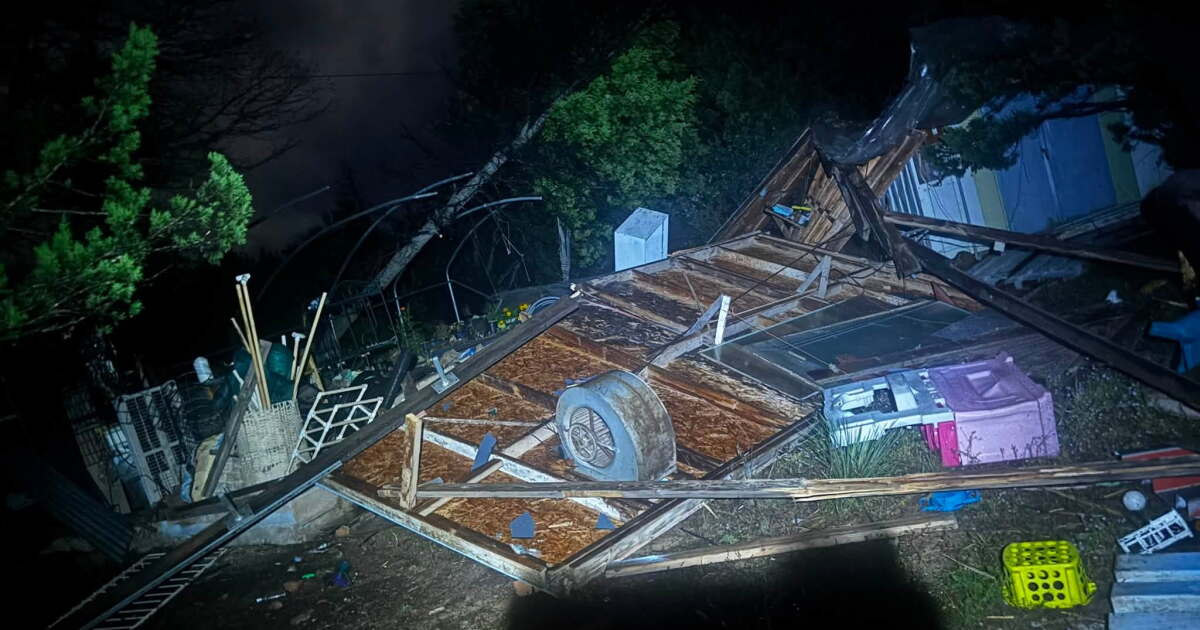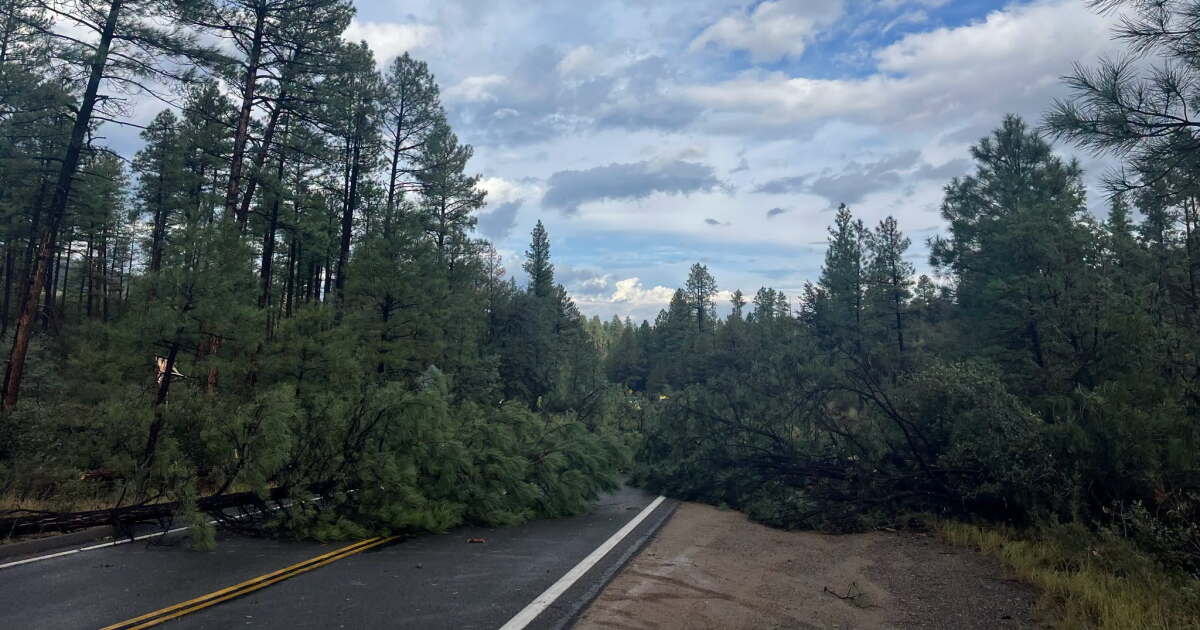
In south-central Montana, the 2024 Remmington fire devastated nearly 200,000 acres, resulting in the deaths of over 1,000 cows and sheep. New federal grazing policies propose treating livestock as firefighters, suggesting they could help suppress wildfires by consuming combustible materials. However, the effectiveness of these measures varies with landscape and climate. Critics argue that these policies might spread invasive species, harm endangered ones, and fail to prevent fires.
Currently, both Republicans and Democrats have introduced bills advocating for grazing as a wildfire control measure. The Trump administration’s agency policies also support grazing as a fire suppression tool. However, it’s unclear if firefighters are requesting ranchers’ help or if ranchers are leveraging this as an opportunity to increase grazing access. Millions of acres of public land could be affected, with limited current livestock access.
Raylee Honeycutt of the Montana Stockgrowers Association supports grazing as a “cost-effective” fire mitigation method. But conservationists, like Erik Molvar from Western Watersheds Project, challenge this view, arguing that overgrazing will not mitigate fire risks. Molvar points out the lack of historical evidence supporting grazing as a fire prevention tool.
Section 8418 of the Farm, Food and National Security Act of 2026 supports grazing during wildfires and other emergencies. Passed by the House, the bill might clear the Senate soon. The Public Lands Council claims that grazing can reduce wildfire ignition by up to 50%, although evidence supporting this is disputed.
Opposition to expanded livestock grazing is mounting. The Center for Biological Diversity plans to sue over Trump’s new grazing policies, which could allow grazing on 24 million acres of critical habitats. Andrea Zaccardi from CBD emphasizes that much of the nation’s beef is produced on factory farms, and expanded grazing could endanger wildlife.
In the political arena, Wyoming’s Senator Barrasso has pushed for legislation like the Wildfire Prevention Act and the RANCH Act to increase grazing as a wildfire management tool. Despite opposition from within her party, Rep. Harriet Hageman’s Grasslands Grazing Act passed, advocating for equal treatment of ranchers with federal grazing agreements.
While grazing might mitigate fire risks under specific conditions, experts like Phil Higuera from the University of Montana caution that its effectiveness varies with environmental factors. He highlights that extreme drought and wind diminish the impact of fuels-reduction efforts, likening severe wildfires to hurricanes beyond human control.

Governor Greg Gianforte highlighted the agricultural impact of the Remmington fire, noting the significant agricultural loss. Historical studies reveal that the Great Plains once experienced frequent fires, but modern factors have altered wildfire patterns. Between 2005 and 2014, grassland wildfires increased significantly, emphasizing the need for effective fire management strategies.
—
Read More Montana News