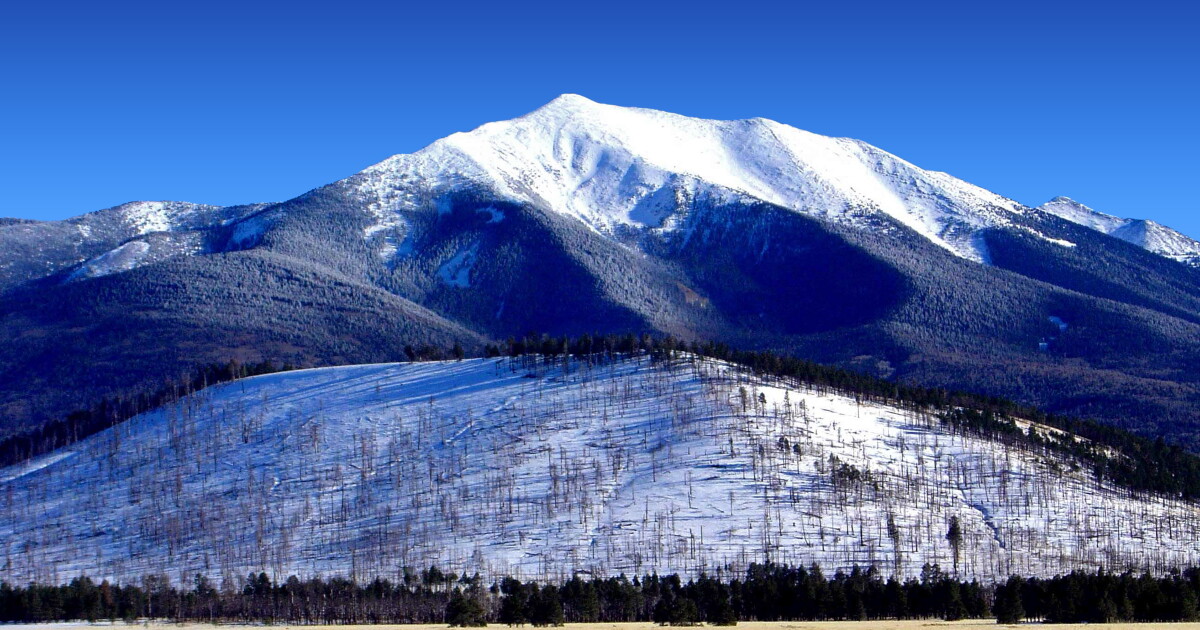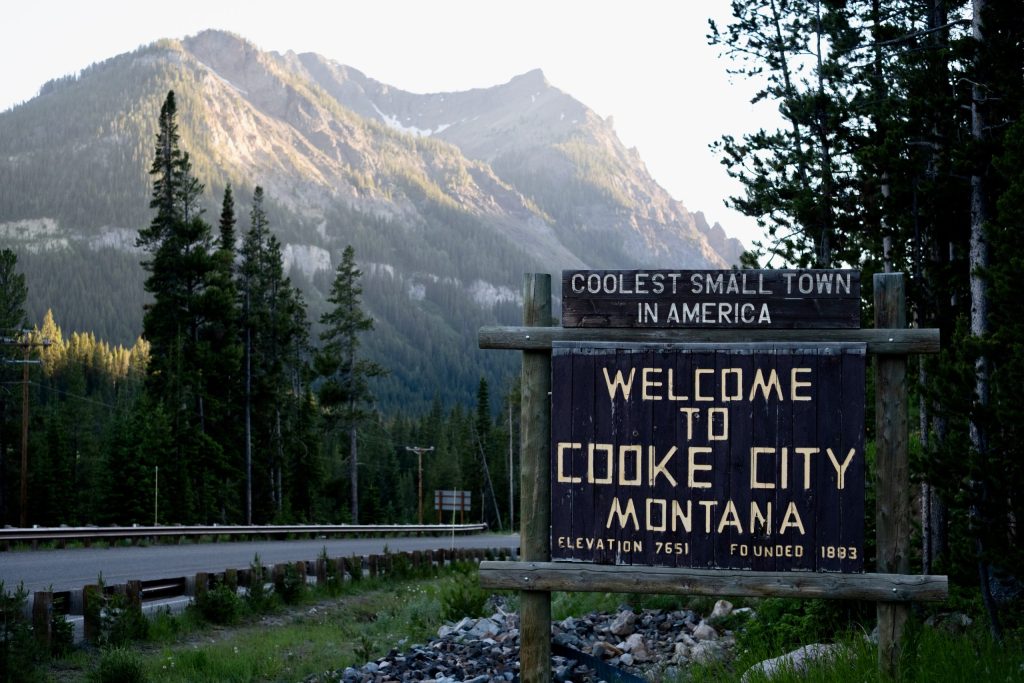

Last month, Custer Gallatin National Forest reintroduced a debated forest project near Cooke City, albeit reduced in size. This Cooke City Fuels and Forest Health Project was previously rescinded due to legal threats from environmental groups. The revised plan aims to bolster fire resilience in 2,788 acres within a larger 20,000-acre area just northeast of Yellowstone National Park.
Significant reductions include a 54-acre drop in commercial harvest and a trimmed habitat for the endangered whitebark pine. Max Hjortsberg of Park County Environmental Council expressed satisfaction, stating, “We’re really pleased to see the Forest Service respond to the public comment period.” Bethany Allen of PCEC called the changes a “partial win.”

Local resident Heidi Barrett, who submitted extensive comments, appreciated the removal of sections near her property. Yet, she questioned if the project truly strengthens community fire resilience.
Jesse Logan, involved in the lawsuit, criticized the “daylighting” treatment on whitebark pines. The project persists despite concerns, treating over 200 acres around research plots and extending into 1,500 acres of whitebark habitat.
Forest Supervisor Matt Jedra explained that the project’s goal is safety and reducing fuel loads around Cooke City. The area, dense with vegetation, poses a risk due to infrequent but severe fires. The initiative aims to improve forest health by addressing overgrowth and susceptibility to pests.

The project, in planning for nearly a decade, was revised after public input, particularly concerning whitebark pines. The plan now includes collaboration with the Rocky Mountain Research Station to develop a long-term monitoring strategy. Despite some public resistance linked to broader federal policies, the project’s focus remains on creating a resilient landscape.
Addressing concerns over commercial logging, Jedra emphasized that timber is a byproduct of forest management efforts aimed at fuel reduction and ecosystem health. While timber from the area mainly supports project costs through grants and partnerships, the Custer Gallatin contributes 6-8 million board feet annually.
Litigation, a common issue, delays projects but remains part of the process. Despite challenges, the agency continues to prioritize building resilient forests for future generations.
The post Cooke City forest project returns with smaller footprint, lingering questions appeared first on Montana Free Press.
—
Read More Montana News