Anglers’ tales may stretch the truth, but their methods for finding the best fishing spots have significantly evolved. In June, the innovative tool TroutCast emerged, predicting water conditions in Montana trout streams and offering insights into future fish populations. This tool promises to reshape the state’s $1.5 billion fishing economy, potentially revolutionizing strategies for optimizing aquatic resources.
Tim Cline, assistant professor at Montana State University, emphasized, “This shows you in real time how stressful conditions are occurring across Montana, so it shows you where you want to go fish.” With public access to detailed population data and water flow mechanics, understanding water’s critical role in fish production becomes clearer.
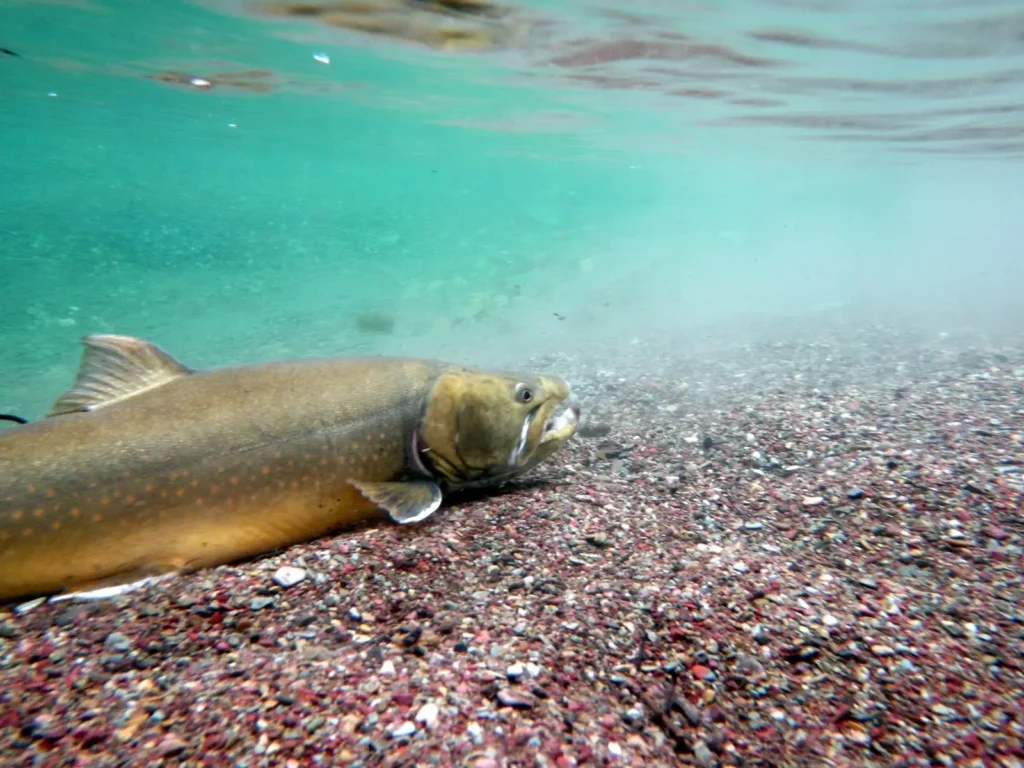
Trout fishing significantly impacts both Montana’s economy and cultural identity, especially in Greater Yellowstone. The state’s native species like cutthroat and bull trout face environmental threats. Meanwhile, non-native trout like rainbow, brown, and brook thrive only in cold, clean water. Hotter summers and rising agricultural irrigation demands have led to frequent closures and access restrictions.
TroutCast offers two main features: management and population forecasts. Management forecasts predict river conditions using U.S. Geological Survey and NOAA data, helping determine if restrictions like “hoot owl” rules—limiting fishing to early morning—are necessary. The tool can project conditions one to four weeks in advance.
The population forecast utilizes decades of fish census data, helping predict changes in trout populations over time. Clint Muhlfeld from USGS remarked, “TroutCast is able to quantify how much water is necessary to sustain or rebuild these populations.” This tool allows precise measurement of water’s impact on fish across the state.
Recent data from TroutCast reveals that water flow changes can dramatically impact fish populations. For instance, a proposed increase in Ruby River flow could significantly boost fish per mile. However, local circumstances vary, and more water sometimes reduces fish numbers due to spawning bed disruptions from dam releases.
TroutCast integrates years of environmental data, potentially transforming how fisheries managers and others approach water management. Traditionally, efforts focused on maintaining fish numbers during drought. However, with trend data suggesting a shift, boosting populations during wet periods might prove more effective, enhancing resilience in drought.
This collaborative project from USGS, Montana State University, and Montana Department of Fish, Wildlife and Parks aims to expand its reach to Idaho and Wyoming rivers. By enhancing planning and resource management strategies, TroutCast could fundamentally change perceptions and management of water resources in the West.
—
Read More Montana News