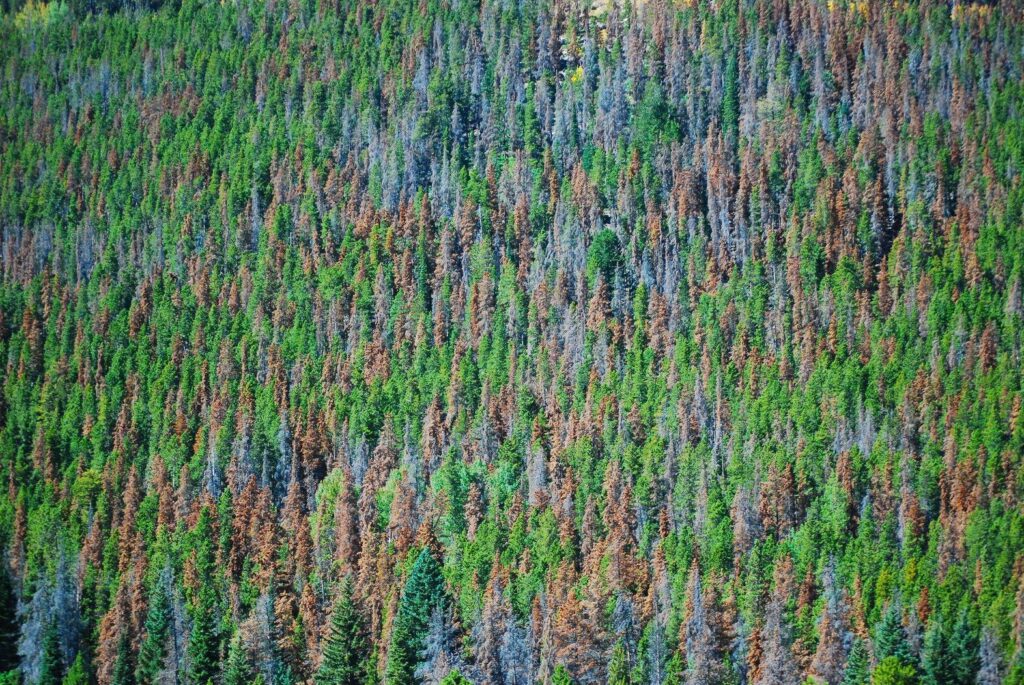
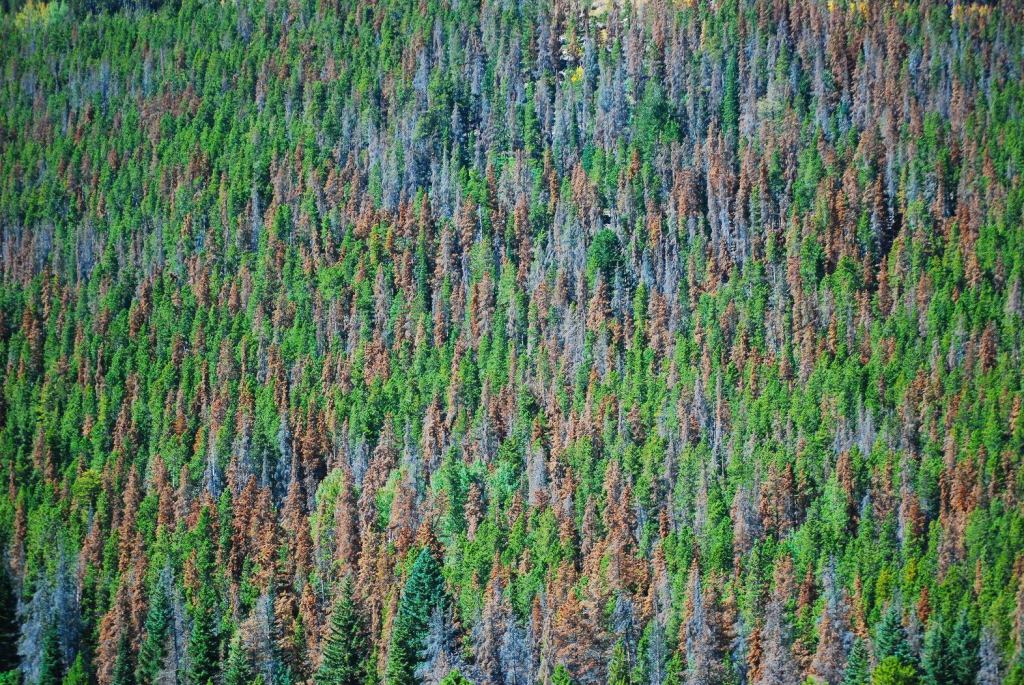
Visitors to Yellowstone National Park have noticed Douglas-fir trees between Mammoth Hot Springs and Tower Junction turning red. Gardiner-based tour guide Leo Leckie explained that the transformation is due to bark beetles, which are thriving with the warming climate. Leckie relies on the Yellowstone Resources and Issues Handbook to answer such questions, noting its absence of climate references in the 2025 edition.
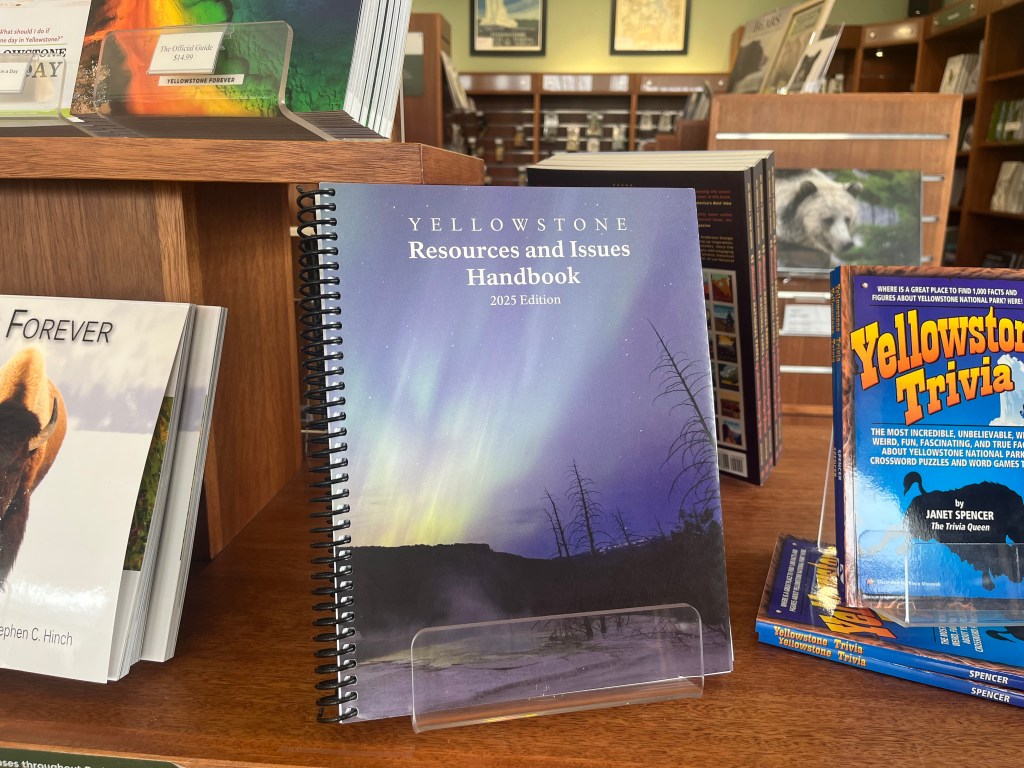
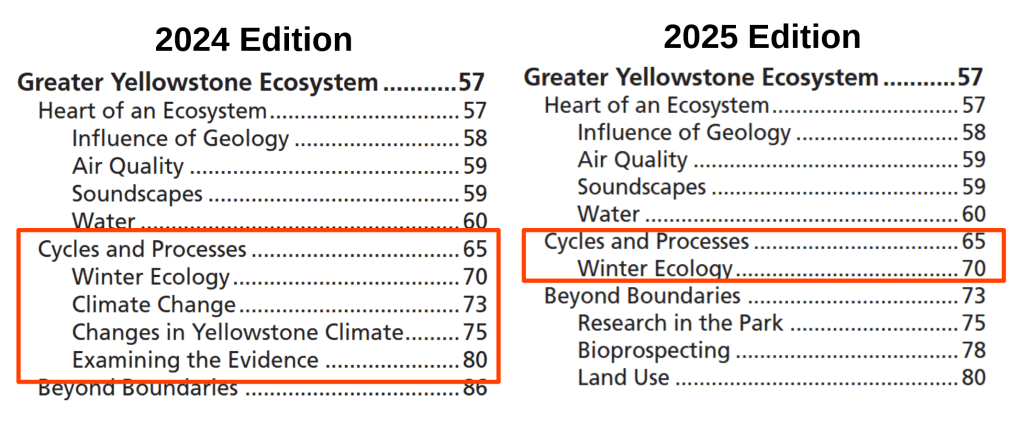
The 2025 handbook has eliminated 13 pages detailing climate effects, marking the first time in two decades without a climate change chapter. Climate scientist Elisabeth Cohen highlights the handbook’s role as a primary study tool for park staff and guides. Reports suggest that pressure from the Trump administration may have influenced this change, similar to other national parks removing educational material. The National Park Service (NPS) claims the section used outdated data not specific to Yellowstone.
Despite some entries still mentioning climate change, in-depth discussions have vanished. Cathy Whitlock, a climate scientist from Montana State University, noted that the area is experiencing warmer temperatures, less snow, and drier summers, increasing wildfire risks and affecting ecosystems. The 2025 handbook dropped sections describing these impacts, such as shrinking ponds and reduced river flows.
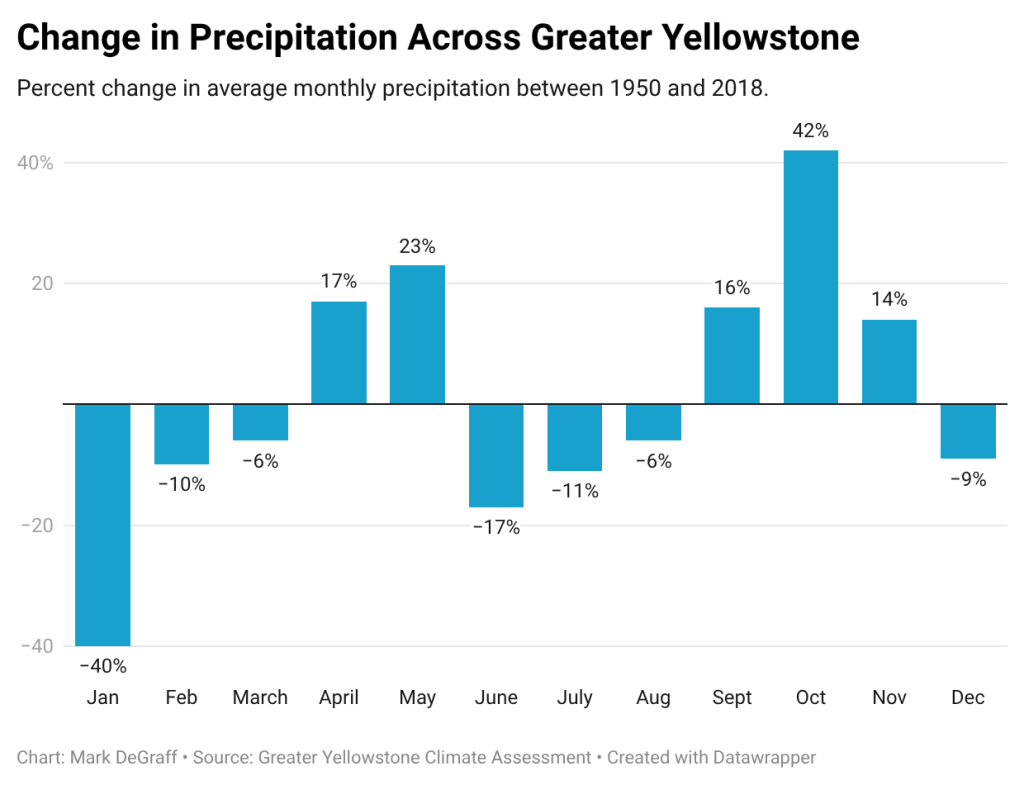
According to the Greater Yellowstone Climate Assessment, the region’s average temperatures have risen 2.3°F since 1950. Future projections estimate an additional increase of 2.7°F by 2050, depending on greenhouse gas emissions. Yellowstone, along with nearby parks, faces scrutiny for removing content. For example, Grand Teton National Park took down a sign detailing Gustavus Cheyney Doane’s controversial history.
The Washington Post reported that the Department of the Interior ordered reviews of materials for potential content violations. Yellowstone stated that the handbook update preceded this order. Consequently, many educators and guides worry about these omissions impacting visitor education.
The annual handbook, filled with extensive park data, has historically included climate change sections since 2008. As educators raise concerns, Leckie emphasizes the importance of accurate climate information for the park’s guides. Although the 2026 edition remains unpublished, the demand for updated climate data grows among those who interpret Yellowstone’s changing landscape.
—
Read More Montana News