Article Summary –
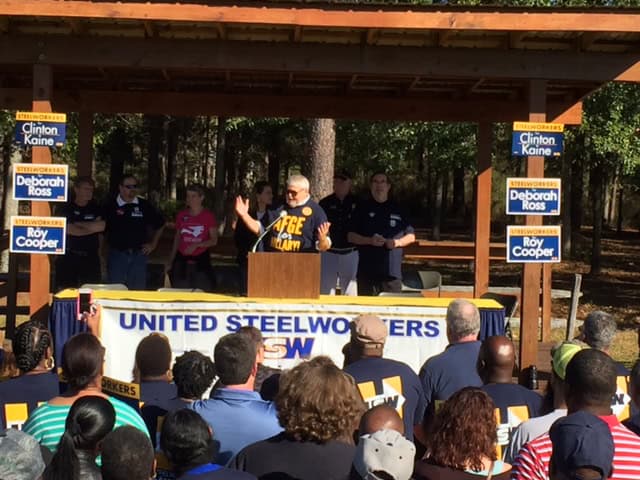
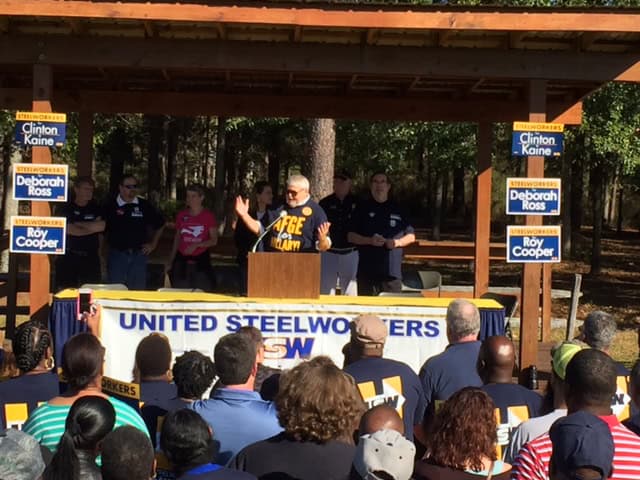
North Carolina, known for its strong business environment, paradoxically ranks low for workers’ rights, facing criticism from Oxfam for inadequate protections. The state’s rich labor history includes early unions like the Raleigh Typographical Union and pivotal strikes, such as the 1934 Textile Strike. Despite setbacks, labor movements persist, with recent achievements like unionizing Duke University instructors and Smithfield Foods workers. As N.C. prepares for potential future strikes, union momentum continues to grow despite adversity.
Discover North Carolina’s Most Impactful Labor Union Events Over the Years
North Carolina consistently ranks as the worst state for workers’ rights, despite being a top destination for business and relocation. The 2023 Oxfam America report highlights North Carolina’s lack of workplace protections and resources for unionization.
The NC Justice Center and partners like Patriotic Millionaires continue advocating for better wages and protections. Unlike Virginia, which balances being pro-business and pro-worker, North Carolina faces high living costs, a stagnant $7.25 minimum wage, and low quality of life.
Cause IQ reports 409 active labor unions in North Carolina, with a history of promoting equality and resisting pro-corporate politics over 150+ years. The Raleigh Typographical Union, formed in 1854, was a pioneering example, setting fair wage standards and protecting workers.
The Raleigh Typographical Union: A Milestone in Labor Organizing
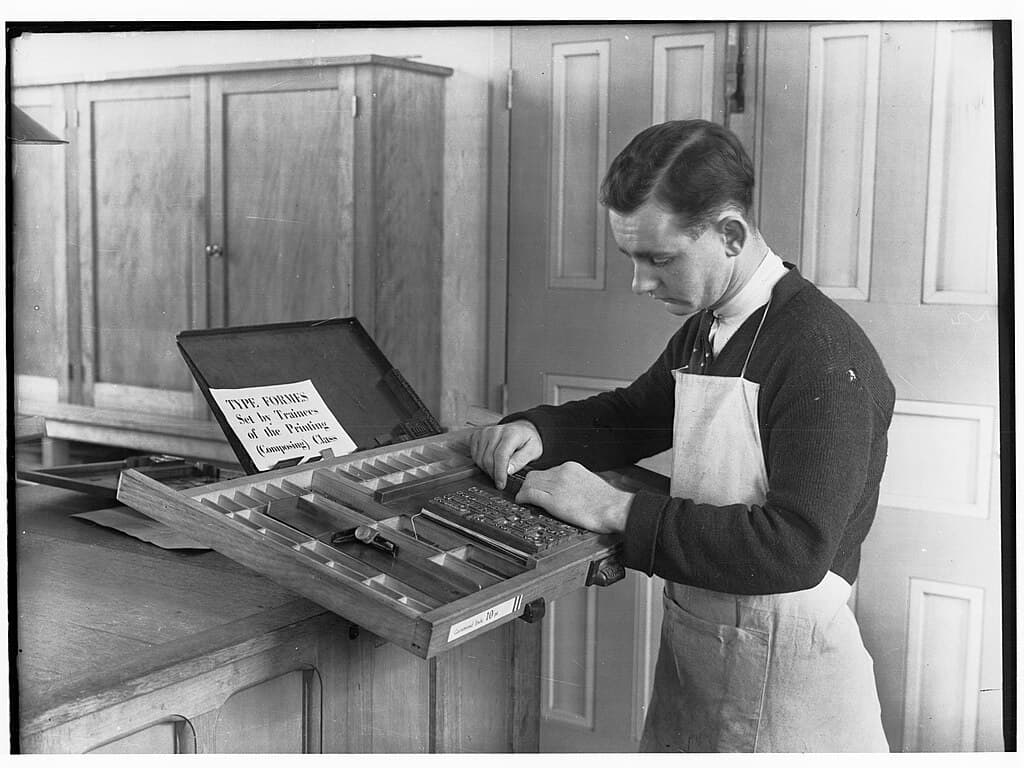
Early organized labor movements in antebellum North Carolina included the Raleigh Typographical Union, representing skilled newspaper laborers. The union advocated an eight-hour workday and admitted women, setting standards for wages and training programs. This successful model inspired other trades to organize, despite barriers during the Reconstruction Era.
Racial Integration: The Knights of Labor’s Impact
The Knights of Labor (KOL), a racially integrated union, expanded rapidly in North Carolina, advocating for an eight-hour workday and equal pay. By 1887, KOL established local chapters across the state, boosting representation in Congress. John Nichols was elected with KOL support in 1886. Despite its decline, KOL catalyzed significant advancements, including forming the N.C. Bureau of Labor Statistics and increasing educational funding.
Setbacks for Early 20th Century Labor Movements
The American Federation of Labor (AFL) targeted North Carolina for unionizing various skilled trades in the late 19th century. Despite initial successes, the organized labor movement faced setbacks, particularly in textile industries. The 1921 cotton mill strike, involving 9,000 workers, ended with stagnant wages and blacklisted union members.
1920s-1930s Textile Strikes: Fighting for Fair Wages
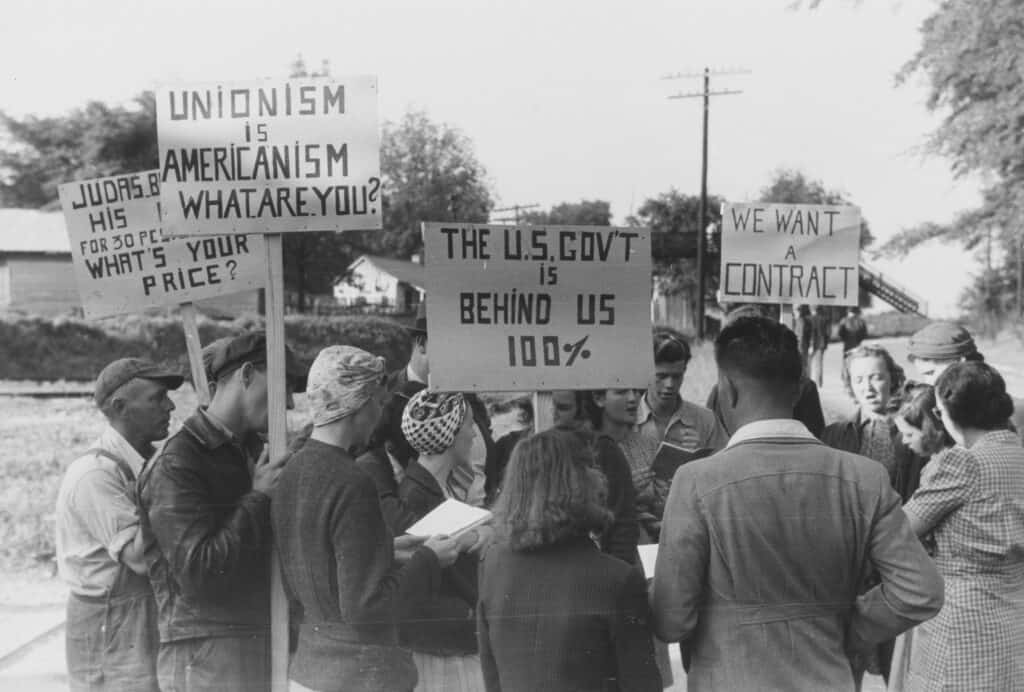
North Carolina operated as an open-shop state with mills employing harsh “stretch out” practices. In 1929, the Loray Mill strike demanded better conditions but ended in violence. The 1934 General Textile Strike saw 65,000 North Carolinians participate, leading President Roosevelt to support workers’ rights through the National Labor Relations Act.
The 1940s-1970s witnessed fluctuating success for labor rights. The 1943 R.J. Reynolds Tobacco strike challenged racial discrimination, while Operation Dixie in 1946 struggled with pushback from Southern political and business forces. Despite setbacks, the first successful NLRB election for FTA-CIO in North Carolina marked significant progress.
Norma Rae: A Real-life Inspiration for Labor Advocacy
The film “Norma Rae” was inspired by Crystal Lee Sutton, a Roanoke Rapids textile worker who galvanized her coworkers to unionize in 1974. Sutton’s bold actions and subsequent victories paved the way for long-term change, catalyzing the “Don’t Sleep with Stevens” boycott and multimillion-dollar settlements.
Present-Day Labor Movements: Continuing the Fight for Workers’ Rights
Mt. Olive Pickle Boycott: A Win for Migrant Workers
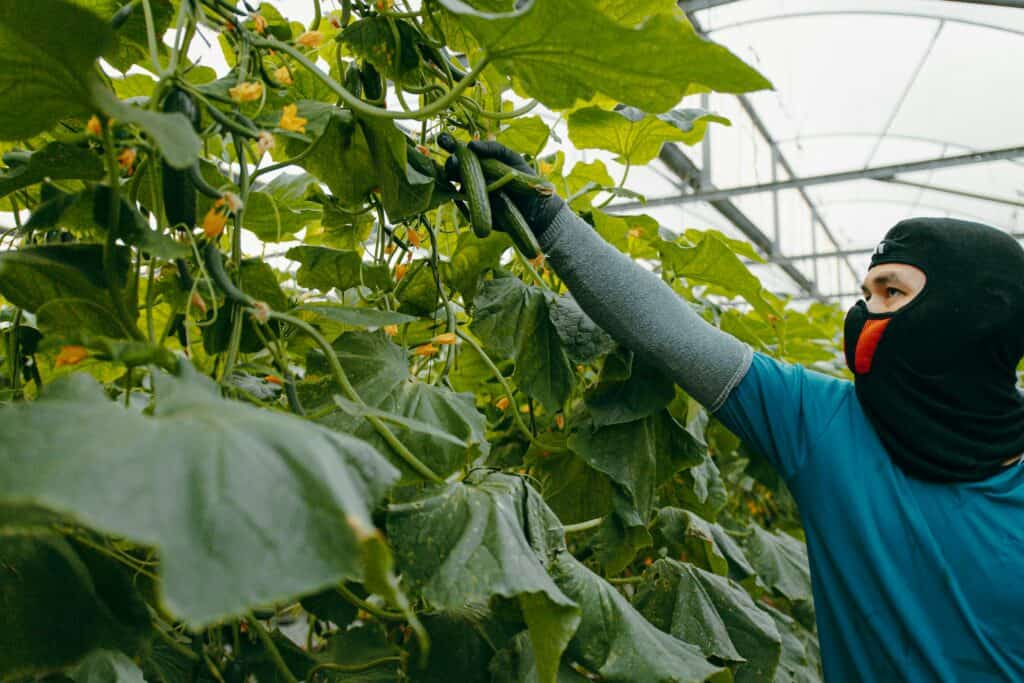
The Farm Labor Organizing Committee (FLOC) led a successful boycott against Mt. Olive Pickle Company, securing better wages and union rights for migrant workers in 2004. This landmark agreement highlighted the ongoing challenges and victories in the fight for fair labor practices.
Smithfield Foods Workers: Overcoming Union-Busting Tactics
Despite intimidation from Smithfield Foods, the United Food and Commercial Workers Union succeeded in unionizing workers at the plant in Tar Heel, N.C., in 2008 after 16 years of organizing. The coalition of Latino and Black employees played a crucial role in this victory.
Duke Faculty Union: A First for Southern Private Universities
In 2017, non-tenure track instructors at Duke University negotiated a historic three-year union contract. This agreement, supporting 275 faculty members, marked a first for large Southern private universities, setting precedents for fair wages and benefits.
IBEW’s Defense Training Against ICE Raids
In 2025, IBEW Local 553 initiated immigrant defense training with Siembra NC, teaching workers to identify ICE agents and assert Fourth Amendment rights, reflecting the ongoing effort to protect immigrant workers.
UAW Leads the Charge for Future Labor Movements
In 2023, UAW’s strategic strikes with the “Big 3” automakers resulted in a landmark contract including a 25% wage increase. This momentum could inspire further labor organizing in North Carolina, as the state prepares for a potential mass strike in 2028, despite its low union density.
The post 13 times labor unions made history in North Carolina & beyond first appeared on Cardinal & Pine.
—
Read More North Carolina News