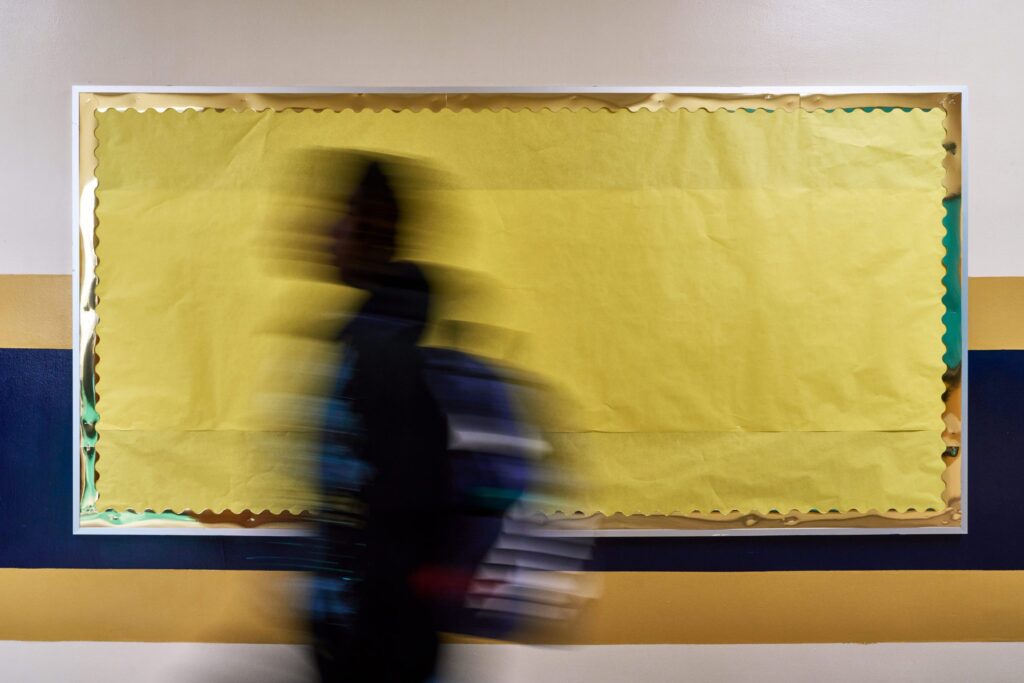
For Josiah Ulukita, high school presented new challenges. Courses demanded more, and teachers were less stringent about attendance, making it easier to skip classes or use his phone. The 16-year-old from Kaimuki High School in Honolulu found himself failing freshman courses.
After missing half the school year, he learned he would have to repeat ninth grade, prompting further absences until a counselor warned him about not graduating on time. “I was acing all my classes, and then I hit freshman year,” Ulukita said. “I thought it was going to be easy.”
States and districts in the U.S. have varied approaches to student retention. In Hawaii, students are often held back starting in ninth grade, while Mississippi and Florida retain as early as kindergarten. Over two dozen states now require schools to retain third graders not reading at grade level, according to Education Commission of the States.
Nationally, student retention rates have decreased from 2011-12 to 2021-22, with less than 2% of students held back in 2021-22, down from about 3% a decade earlier. Research on retention is mixed; some studies suggest benefits when combined with intensive interventions. “If retention happens in earlier grades and is combined with help… results tend to be good,” said Dan Goldhaber from the University of Washington.
However, retaining older students like Ulukita often results in disengagement, higher dropout rates, and lower college enrollment, said Umut Ozek from Rand Corp. In Hawaii, 1 in 10 freshmen repeated ninth grade in 2021-22, more than double the national rate. This is attributed to strict credit requirements and challenging coursework.
Mississippi’s policy, influenced by Florida’s educational strategies, requires third graders to pass a reading assessment. This has led to more retentions in earlier grades. At Western Line School District, 68 students in grades K-3 were held back in 2021-22, compared to 56 in higher grades. Superintendent Lawrence Hudson emphasized early intervention, saying deficits in young students can compound by third grade.
Retention alone doesn’t improve outcomes, said Rachel Canter, an education policy expert. Schools must provide academic support in the repeat year. Despite challenges, programs like North Carolina’s “Welcome to the Brotherhood” aim to support high-risk students, particularly Black boys, through study skills and social integration.
In Washington, most retentions happen in 12th grade due to district-level decisions. Liz Trautman from Stand for Children sees this as a failure to address earlier needs. Counselor Daniel Lee noted that Washington’s high counselor-to-student ratio limits support, though tutoring and summer classes are available inconsistently.
Ulukita is now on track to graduate in 2028, thanks to additional courses and better attendance. He advises: “You’ve got to lock in more, do all your classes, make sure you get all your credits — and graduate on time.”
—
Read More Kitchen Table News

![Botched Ad Mix-Up: Super PAC Error in Arizona Congressional Race[embed]https://www.youtube.com/watch?v=bEMgIlCkHz0[/embed]](https://www.kitchentablenews.org/wp-content/uploads/2026/10/Botched-Ad-Mix-Up-Super-PAC-Error-in-Arizona-Congressional-RaceembedhttpswwwyoutubecomwatchvbEMgIlCkHz0embed.com2F0e2F962Fe971102f49e7a4f2a64fd3cc60a22Fjonatha.png "Botched Ad Mix-Up: Super PAC Error in Arizona Congressional Race[embed]https://www.youtube.com/watch?v=bEMgIlCkHz0[/embed]")