Article Summary –
State Rep. Arvind Venkat highlights the detrimental effects of recent healthcare policy changes, particularly the budget cuts to Medicaid and the cessation of Affordable Care Act tax credits, which have led to a rise in uninsured patients and a strain on emergency services. These policy shifts, driven by the “One Big Beautiful Bill Act,” are reversing the progress made since the Affordable Care Act, causing a healthcare crisis in Pennsylvania and potentially leading to the closure of hospitals reliant on Medicaid funding. The new Medicaid work requirements are expected to further exacerbate the situation, pushing hundreds of thousands off coverage and forcing them to seek expensive emergency care, burdening hospitals and state finances alike.
State Rep. Arvind Venkat, an emergency physician at McCandless Neighborhood Hospital in Pittsburgh, recalls the challenges of pre-Affordable Care Act (ACA) healthcare. Nearly 20% of his patients lacked health insurance, often using the emergency room for primary care. Patients arrived with advanced conditions like untreated breast cancer, leaving little chance for life-saving interventions.
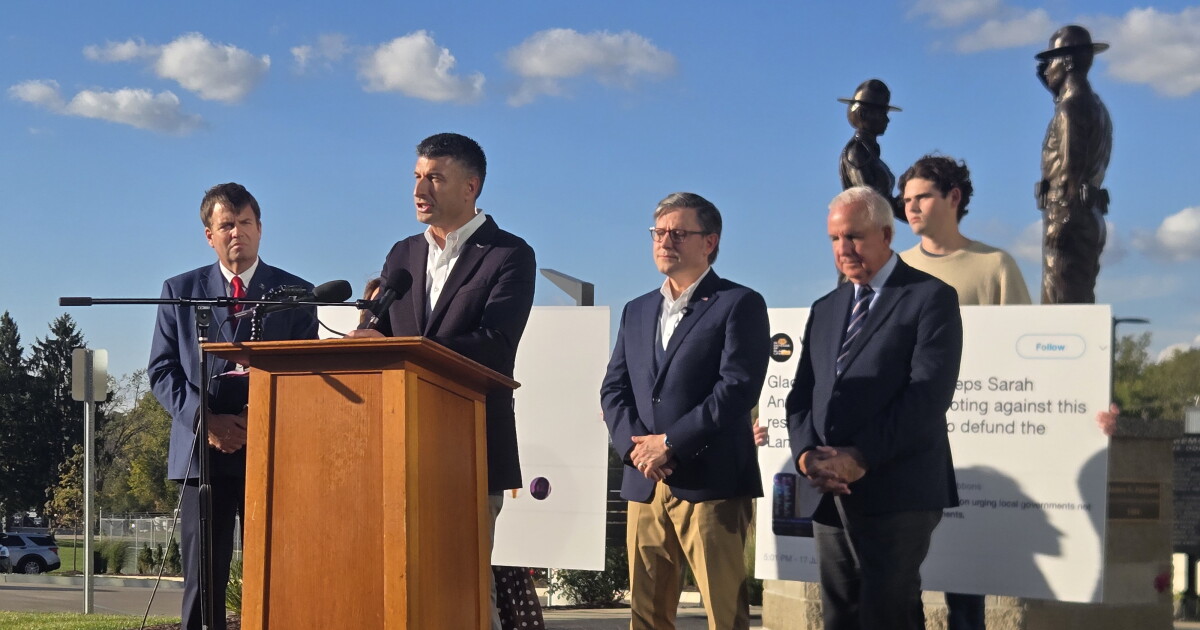
“I’ve witnessed patients die due to lack of access, and sadly, it’s happening again,” Venkat, a Democratic lawmaker in Allegheny County, said during a May 1 press call with Defend America Action, a group challenging federal power abuses last year.
The ACA’s 2010 passage improved his patients’ health, Venkat observed. More insured individuals accessed primary care, and new healthcare facilities emerged. By 2025, record numbers purchased ACA marketplace plans both nationwide and in Pennsylvania.
However, Venkat said, the health landscape is regressing. Many are struggling to afford coverage after 2025 budget cuts to Medicaid in the One Big Beautiful Bill Act, signed by President Trump. Congress didn’t renew ACA tax credits, which allowed millions to purchase insurance through state marketplaces.
Officials and healthcare experts spoke about potential loss of insurance for hundreds of thousands in Pennsylvania due to new Medicaid work requirements. They warned of hospital closures relying on Medicaid, as state budgets might not cover the loss of federal Medicaid funds.
Michael Berman, Protect Our Care Pennsylvania’s president, stated, “We’ve been expanding healthcare until now when the government seems intent on excluding more people.”
According to Pennie, 130,000 people lost coverage in Pennsylvania this year. This drop followed the lapse of tax credits and increased premium costs. With new Medicaid work requirements starting Jan. 1, 300,000 more may lose health insurance, reported Gov. Josh Shapiro’s administration.
The new regulations require more frequent paperwork submissions from recipients to prove eligibility, burdening low-income families, researchers suggest. “It’s not just ineligible people affected,” noted Chiquita Brooks-LaSure, a former Centers for Medicare and Medicaid Services administrator.
Venkat warned of increased emergency department visits by uninsured individuals deprived of preventive care, likely leading to more deaths.
“We’re facing a healthcare catastrophe, caused by deliberate policy choices to strip healthcare from millions,” Venkat argued. The rising uninsured count burdens hospitals, stretching financial resources thin, potentially forcing closures.
In 2025, the Pennsylvania Health Access Network identified 47 hospitals at risk post-Medicaid cuts. Bradford Regional Medical Center will close as a hospital on May 17, transitioning to outpatient services.
When hospitals close, patients must seek care elsewhere, financially impacting other facilities, Venkat and Berman explained.
With insurance losses and hospital closures, states can’t fill the budget void left by federal cuts, Venkat added. Pennsylvania might face $20 billion in Medicaid reductions over the next decade, according to testimony by DHS Secretary Valerie Arkoosh.
“The One Big Beautiful Bill Act slashes healthcare funding, claiming no loss of coverage, which is untrue,” Venkat said. “States are left to manage the shortfall, without viable solutions.”
States may cut healthcare services, predicted Brooks-LaSure, affecting services for children with disabilities and community-based care.
—
Read More Pennsylvania News