Article Summary –
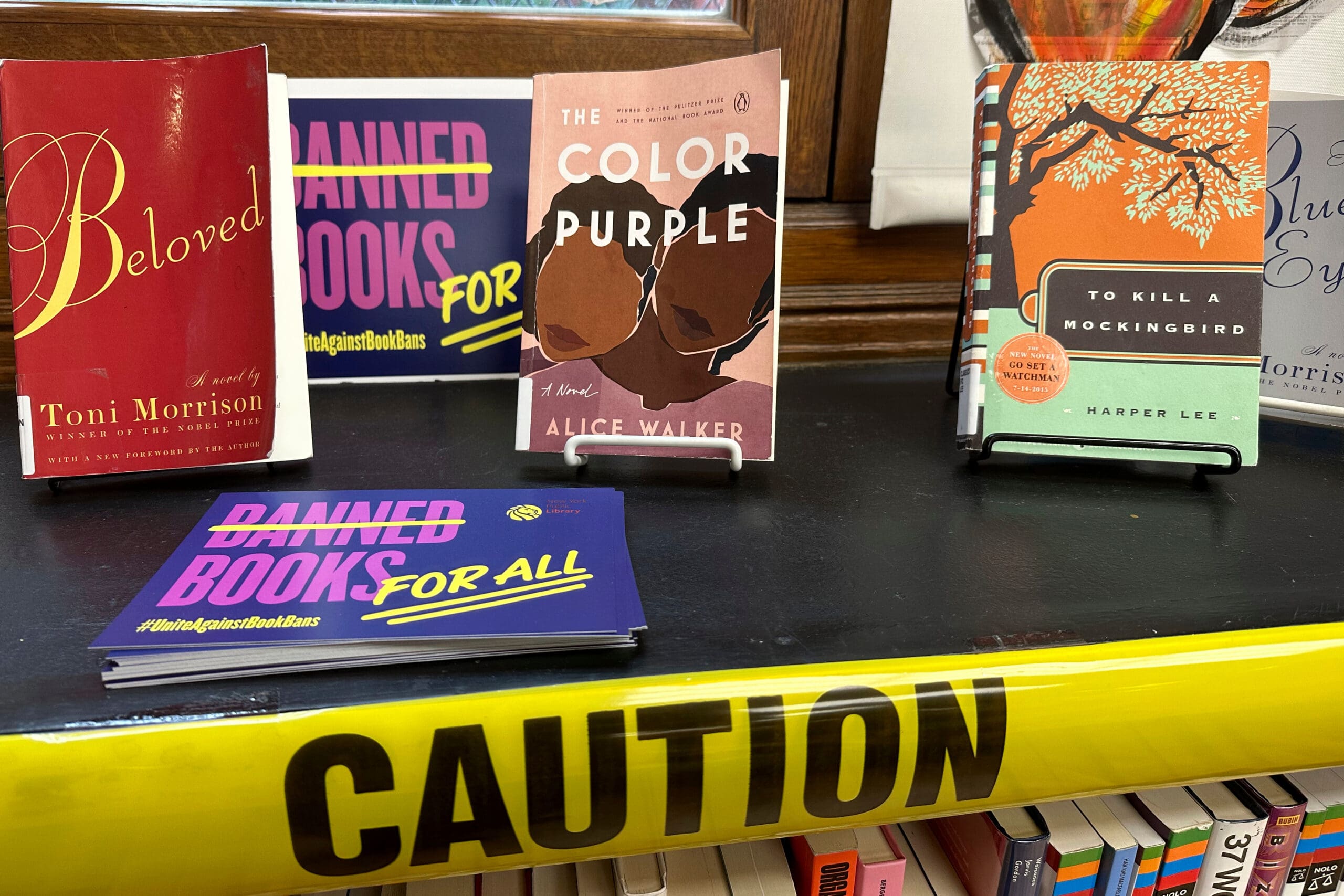
During the 2025-26 school year, U.S. public schools banned books nearly 12,000 times, impacting over 7,370 different titles by more than 4,000 authors, according to a report by PEN America, marking the highest number of bans recorded since the organization began tracking them in 2021. The majority of these book bans occurred in Texas and Florida, with legislation and governmental pressure contributing significantly to the surge, particularly targeting young adult fiction and works dealing with personal identity, often authored by people of color, women, and LGBTQ+ individuals. A new trend identified in the report is the use of artificial intelligence to recommend book bans based on the actions of other districts, overruling the professional judgment of librarians and contributing to a chilling effect on free expression in schools.
During the 2025-26 school year, U.S. public schools banned books nearly 12,000 times, marking the highest annual figure since PEN America started recording bans in 2021, according to a new report by the free expression organization.
PEN America identified 7,370 unique titles banned across public schools, involving over 4,000 authors, illustrators, and translators. Over 4,500 banned books appeared on the organization’s Index of School Book Bans for the first time, indicating an increase in the range of impacted books. A record-setting 114 school districts implemented bans, up from 87 the prior year.
PEN America defines a book ban as actions taken against a book due to its content, prompted by challenges from parents or the community, administrative decisions, or governmental pressures, resulting in the book being removed or restricted from student access.
Philomena Polefrone, senior manager of PEN America’s Freedom to Read initiative, shared with the American Independent that PEN America began tracking schoolbook bans in 2021-2022, identifying 2,500 bans that year, which was already unprecedented in the U.S.
The report reveals 58% of banned books last school year were young adult, with 87% being fiction. Polefrone mentioned books on personal identity remain frequently banned, noting: “Identity-based trends continue, with authors of color, women, LGBTQ+ authors, and books on social activism being frequent targets.”
Polefrone stated that banning young adult fiction exacerbates current literacy and reading enjoyment crises.
“Social media might be blamed, but book bans worsen accessibility to contemporary fiction reflecting today’s complex world,” Polefrone remarked, emphasizing these are the books young readers need for understanding but are most banned, impacting library offerings.
The report highlights Texas and Florida as leading states for bans, with Texas recording over 8,100 bans and Florida more than 3,200. Texas’s rise is linked to a 2025 law allowing broad book category bans.
In Florida, political pressure has driven bans; “The Florida Board of Education labeled certain librarians as child abusers for allowing specific books,” noted Polefrone, causing widespread district impact.
At a recent press conference, Texas Lt. Gov. Dan Patrick criticized some book covers as “vulgar” and pledged legislative action against schools not removing these books, according to the Texas Tribune. Patrick argued that taxpayer funds shouldn’t procure such books, though they are available for purchase privately.
Polefrone noted that state political actions create a chilling effect, even beyond formal legislation.
The report identifies a new trend of using artificial intelligence tools to decide which books to ban. PEN found AI often recommends removing books from shelves, not due to obscenity, but because they were banned elsewhere.
“Librarians are skilled experts crucial for matching books with readers,” Polefrone emphasized, advocating for trusting their expertise over the judgment of administrators and politicians who ban books based on appearances alone.
—
Read More Pennsylvania News