Michiganders to Get $34M in Unemployment Back Pay
Nearly 48,000 Michiganders to get $34M in back pay after unemployment benefits increase, announced in July.

Nearly 48,000 Michiganders to get $34M in back pay after unemployment benefits increase, announced in July.

Kristen Crowell highlights the impact of healthcare costs and potential loss of clean energy tax credits on communities.
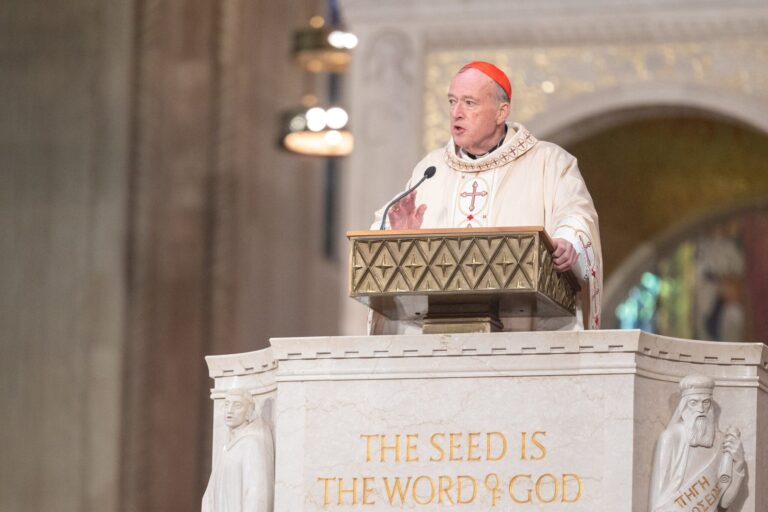
Faith leaders across traditions unite to oppose H.R. 1, calling it a moral failure that harms immigrants, families, and the most vulnerable.

Rx Kids, a pioneering Michigan program, has distributed $10M in cash aid to mothers and infants, enhancing health outcomes.

At Magee-Womens Hospital, nurses like Jamie Miller face grueling shifts without breaks, sparking calls for unionization.

Celebrations like weddings face hard choices due to rising costs; tariffs impact event budgets and planning stability.

Chezni Carrion relies on SNAP and WIC to support her son Hudson. Cuts in funding could jeopardize their daily life.

Pennsylvania reduced state employee hiring time from 90 to 58 days using AI, targeting 50 days by 2025’s end.

Kat Becker and fellow Wisconsin farmers advocate for restoring a cut program that linked local farms with food pantries.

The Supreme Court may rule on Trump’s tariffs under IEEPA, testing presidential power and the major questions doctrine with major economic effects.

International travel to the USA is declining during Trump’s second term, with notable drops in Canadian and European visitors.

Wisconsin moms warn of a child care crisis as cuts in funding threaten careers and economic stability, impacting kids’ growth.