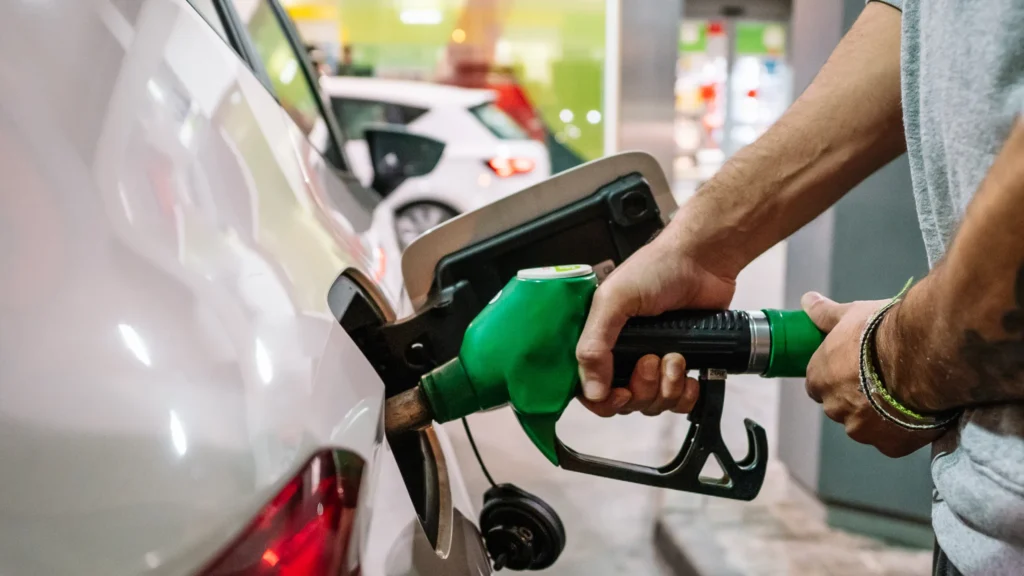
Gasoline prices across the United States jumped sharply this week following U.S. and Israeli strikes on Iran, a military escalation that has disrupted global oil markets and driven up both fuel and diesel costs for American consumers.
The national average price of gasoline rose seven cents on Friday to $3.32 per gallon, according to AAA. Over the past week, prices have climbed 34 cents — roughly an 11 percent increase — marking the fastest increase in months and the highest average since September 2024.
The surge began after U.S. and Israeli forces launched coordinated strikes against Iran on February 28, triggering military retaliation and threatening the flow of oil through the Persian Gulf, one of the world’s most critical energy corridors.
Conflict Disrupts Global Oil Routes
The fighting has centered near the Strait of Hormuz, a narrow passage that carries roughly a fifth of the world’s oil supply. Iranian threats toward oil tankers and rising risks to commercial shipping have slowed traffic through the region, sending shockwaves through global energy markets.
Oil prices surged in response, climbing about 30 percent since the conflict began. Those increases have quickly filtered down to American consumers through higher prices at the pump.
Diesel prices have risen even faster than gasoline. The national average for diesel reached $4.33 per gallon, the highest since November 2023. Because diesel fuels most freight transportation in the United States, higher diesel prices can rapidly raise the cost of shipping goods across the economy, which will likely lead to rising grocery prices in the coming weeks, among other things.
Higher fuel prices often ripple outward, affecting everything from airline tickets to food prices as businesses absorb or pass along increased transportation costs.
Trump Dismisses Rising Prices
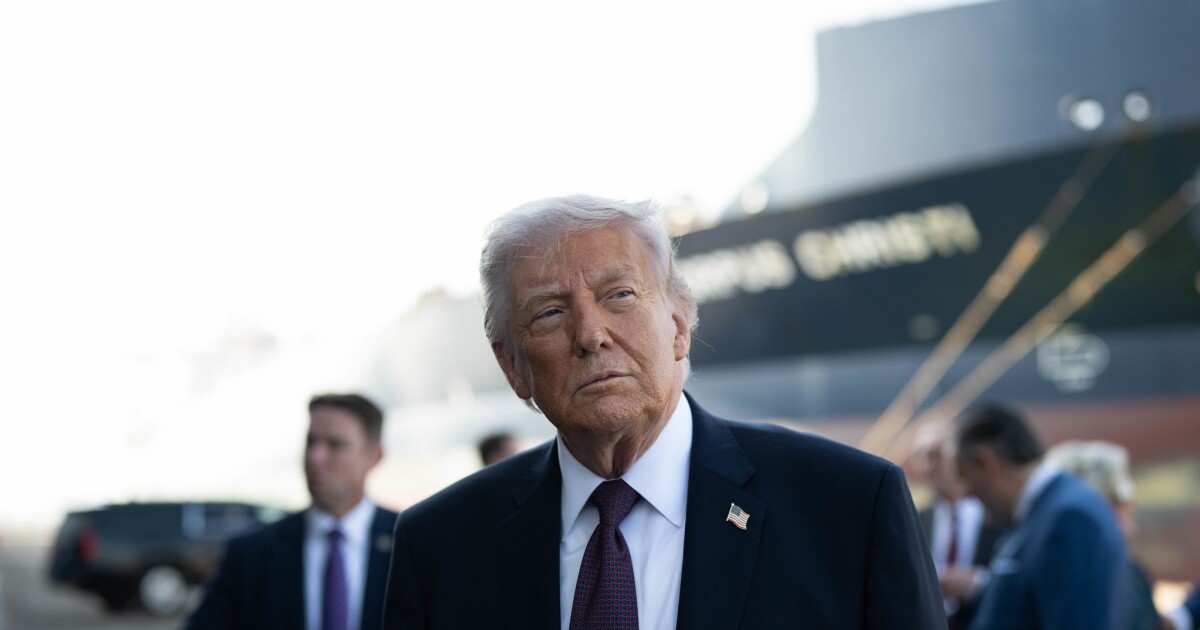
The spike in fuel costs comes as President Donald Trump faces renewed scrutiny over promises he made during the 2024 campaign to dramatically lower energy prices.
Trump repeatedly claimed that gasoline prices would fall below $2 per gallon under his leadership and frequently cited fuel costs as a measure of economic success.
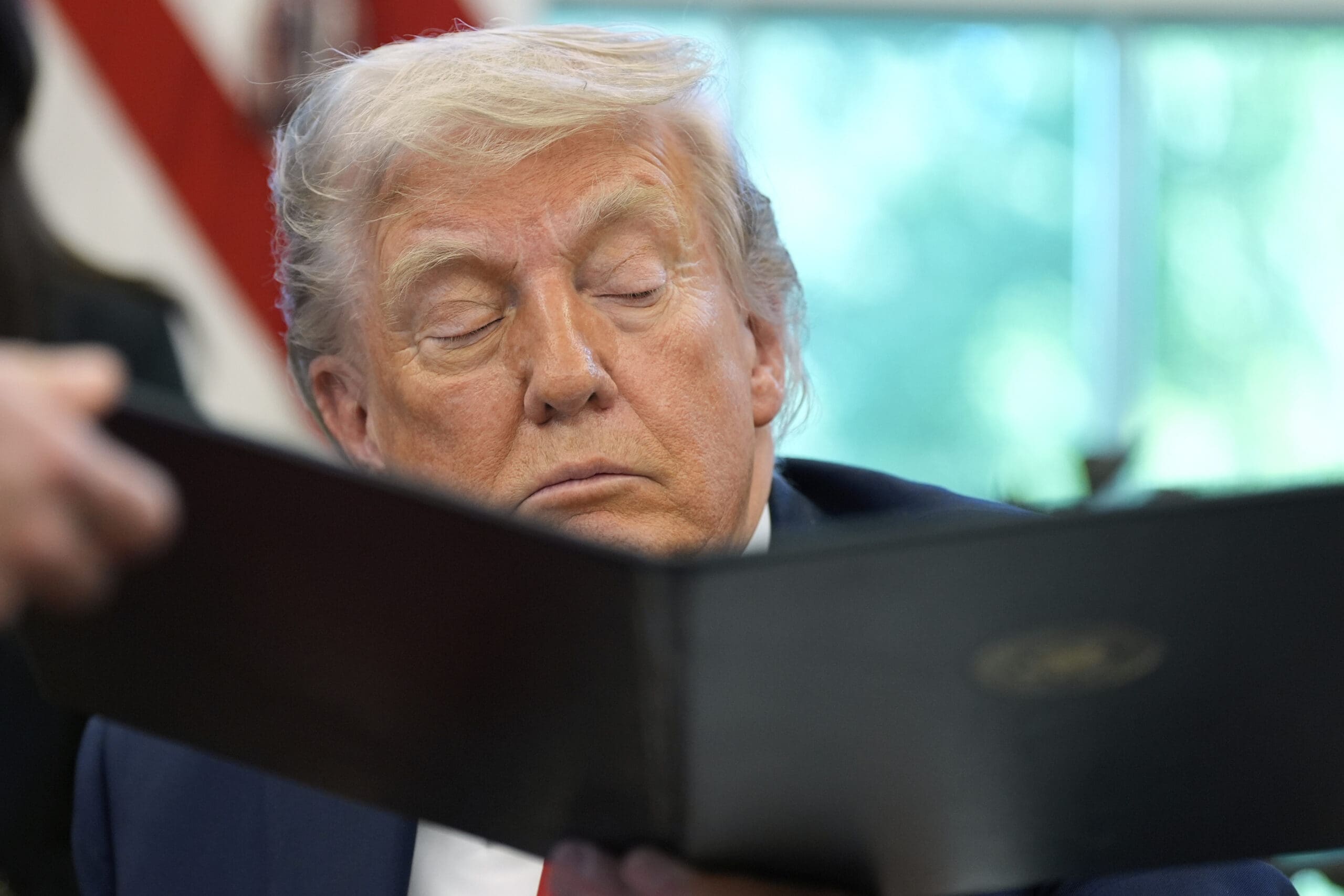
But as the war with Iran pushes prices higher, the president has signaled that he does not care how rising costs are affecting Americans.
In an interview about the conflict, Trump stated “If they rise, they rise.”
The remark has drawn criticism from economists and political observers who say the comment reflects a dismissive attitude toward the economic strain many Americans already face.
Gasoline prices remain one of the most visible indicators of household economic pressure. For families already dealing with high housing, food, and transportation costs, even modest increases at the pump can quickly add up.
With the national average price now higher than when Trump began his current term, the surge in fuel costs could become a growing political issue if the conflict — and the resulting disruptions to global oil markets — continues.