East Central University in Ada, Oklahoma, struggles to fill faculty positions in history and criminal justice due to a hiring crisis. The computer science department settled for a second-choice candidate after the top candidate declined the offer. This issue arises from Gov. Kevin Stitt’s efforts to restrict faculty job protections, making it challenging for remote schools to attract talent.
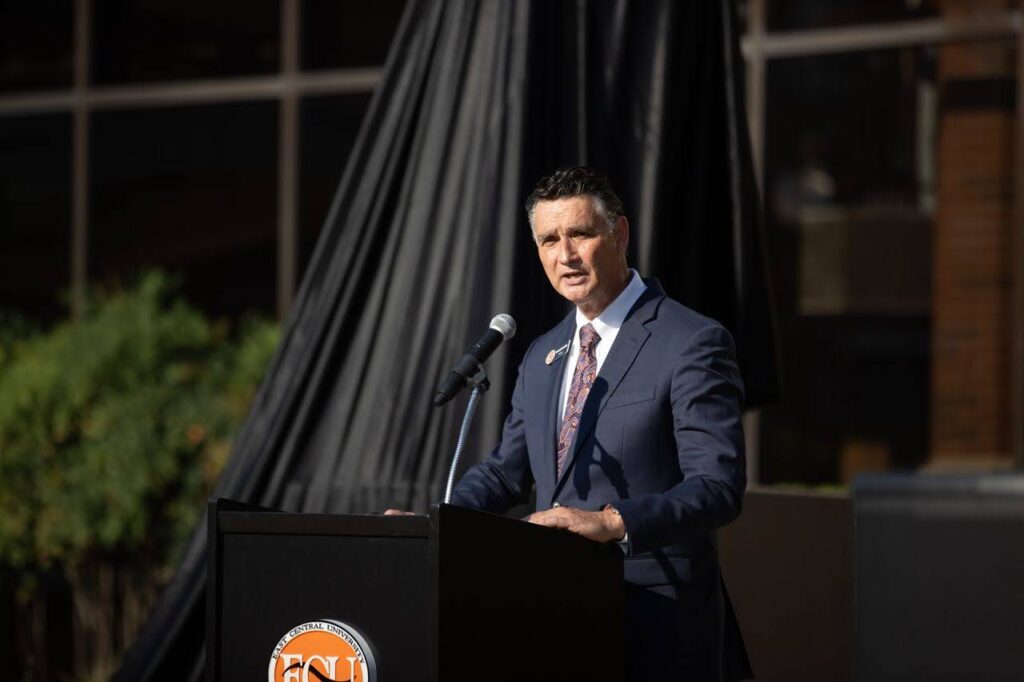
ECU President Wendell Godwin stated, “The governor says he disagrees with academic freedom and thinks professors at the end of their careers aren’t doing much.” Stitt, following President Trump’s higher education policies, issued a crackdown in February, banning tenure in publicly funded regional universities while sparing the University of Oklahoma and Oklahoma State University, the state’s flagship research institutions.
The executive order demands a “better return-on-investment analysis,” emphasizing accountability to taxpayers and tuition-payers. This move places rural Oklahoma colleges at the center of a cultural debate. University leaders, like Godwin, argue that concerns over a “woke agenda” are overblown, particularly in rural areas.
Oklahoma State Senate Bill 1782, aimed at expanding the tenure ban, stalled after initial progress. Similar bills have emerged in states like Arkansas, Kansas, and Texas. Although no state has completely eliminated tenure, Stitt’s executive order is the most significant challenge to tenure in Oklahoma. The policy impacts the Regional University System of Oklahoma (RUSO) schools, crucial for rural education and economic development.
If the tenure ban discourages top faculty from these underfunded campuses, Oklahoma risks creating educational disparities. RUSO schools are vital for affordable education, with average costs significantly lower than the state’s research universities. Yet, Stitt’s order shifts new hires to fixed-term contracts, aligning employment with economic needs, potentially undermining recruitment efforts in remote areas like Alva and Ada.
RUSO Board of Regents data shows 661 tenured faculty, with another 269 on tenure track. The board has committed to upholding tenure for current tenure-track hires to avoid legal issues. However, new hires face altered employment terms, with 44 faculty hired under the new rules as of July 24.
Higher education in the U.S. has seen a shift from tenure, with up to 80% of faculty on non-tenure-track positions due to funding and enrollment declines. Tenure provides job security, crucial for attracting talent in fields requiring years of education and expertise. Despite these challenges, RUSO Board Chairman Lake Carpenter remains optimistic about the system’s ability to adapt.
The tenure debate highlights rural universities’ struggle to compete for talent. As State Rep. Ronny Johns emphasizes, supporting regional colleges is vital for Oklahoma’s future, urging state leaders to promote and protect these institutions.
—
Read More Kitchen Table News