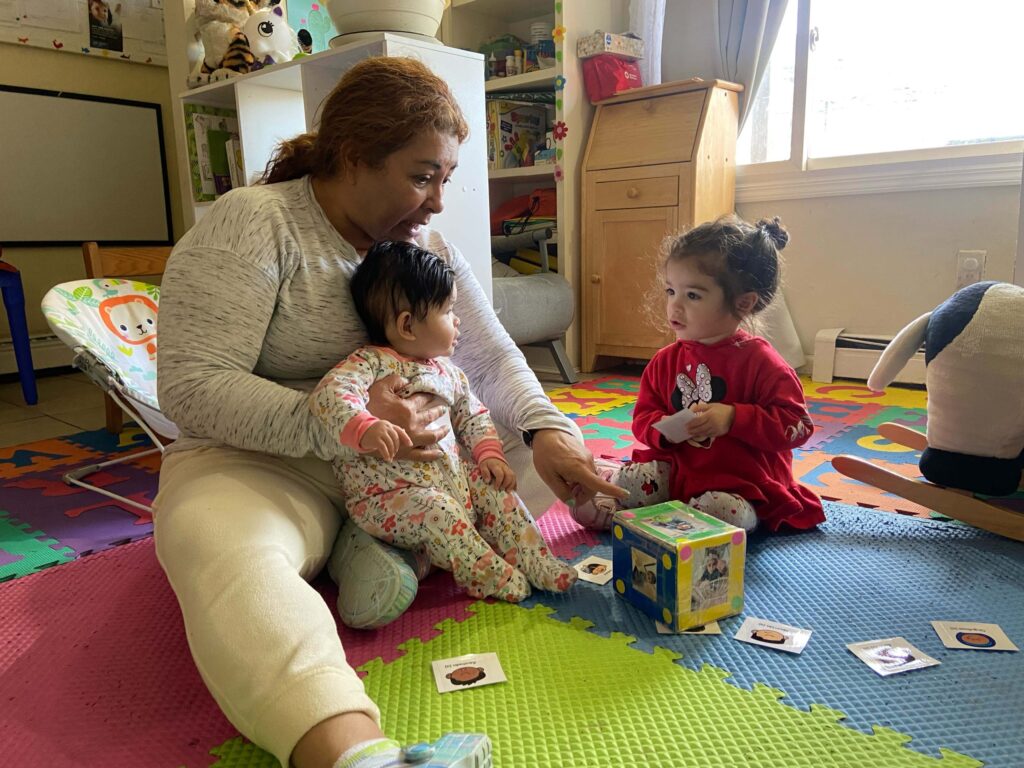
Bluff’s Little Thinkers in Iowa faces financial challenges, causing early childhood educators to spend personal funds on classroom supplies. Teachers purchase items like rugs and sensory tools to enhance learning environments. Despite the center serving 72 children across five classrooms, funds are insufficient for necessary supplies.
Kelsey Andersen, the center director, strives to meet her teachers’ needs but often falls short. As a result, teachers buy essentials like books and decorations out of pocket. However, a significant legislative change now allows early childhood educators to benefit from tax deductions for classroom purchases.
The bipartisan SEED Act, part of the Lindsey O. Graham Sanctioning Russia and Iran Act of 2026, was enacted on September 18. It grants a tax deduction to early childhood educators who work in facilities caring for more than two children under six. The program must receive public funding or fees, similar to Head Start programs.
Research indicates that nearly 91% of early educators spend their funds on classroom supplies, with home-based child care staff incurring the highest costs. These educators earn a median wage of $13 an hour, half of what K-8 teachers make, yet face unreimbursed expenses averaging $300 annually.
Walter Gilliam, executive director of the Buffett Early Childhood Institute, highlights the disparity, noting that early educators work longer hours for less pay compared to their K-12 counterparts. “If we’re going to pay them that terribly, the least we can do is not tax them on their terrible pay,” Gilliam stated.
Sarah Rittling, from the First Five Years Fund, notes that Congress’s approval of this credit shows growing attention to early childhood education. Other related bills under consideration aim to strengthen child care services, like prohibiting immigration enforcement at child care centers and expanding care for parents with nontraditional work hours.
Andersen acknowledges the tax benefit may not drastically change her staff’s finances but views it as a long-overdue recognition of early childhood educators’ efforts. “Educators are educators,” she said, emphasizing the need for equal treatment with K-12 teachers.
Contact staff writer Jackie Mader at 212-678-3562 or mader@hechingerreport.org.
This story about the educator expense deduction was produced by The Hechinger Report, a nonprofit, independent news organization focused on inequality and innovation in education. Sign up for the Hechinger newsletter.

—
Read More Kitchen Table News