Oil Prices Surge Past $100 Due to Ongoing Conflict
Global oil markets experienced a significant jolt as crude oil prices breached the $100 mark, a threshold not reached in almost four years. This increase comes amid continued hostilities involving Iran, with market experts suggesting that prices could climb higher.
Prices nearly hit $120 per barrel overnight, briefly soothed by reports of upcoming discussions among Western nations aimed at mitigating fuel costs. Still, this news provided little long-term relief for the market.
On the morning of the surge, oil futures escalated by 11%. Both U.S. oil and Brent crude saw unprecedented single-day dollar increases. U.S. oil future prices rose by $8, reaching $99, while Brent climbed by $9, hitting $101. Neither have ever experienced an $11 hike in one day, surpassing the previous record set in June 2008.
Previously, oil surpassed the $100 mark amid the conflict in Ukraine, maintaining triple digits from March to July 2022 but never reaching such heights until now.
The price hike is primarily attributed to disruptions in the Middle East, specifically the restricted movement through the Strait of Hormuz—a crucial channel for 20% of the world’s oil supplies—as Iran threatens tanker routes in the area. This standstill in transit has severely impacted oil flows and contributed to production slowdowns.
Historically significant, the estimated 20% drop in supply is twice the impact seen during the Suez Crisis of 1956-1957, highlighting the profound effects of recent events as noted by the Rapidan Energy Group.
Furthermore, Saudi Arabia and the UAE, traditionally key players in global oil markets, find themselves unable to utilize spare capacity, which typically balances the market during shocks. “The result is a market with no meaningful cushion. There is no swing producer to step in,” emphasized Bob McNally, founder and president of Rapidan.
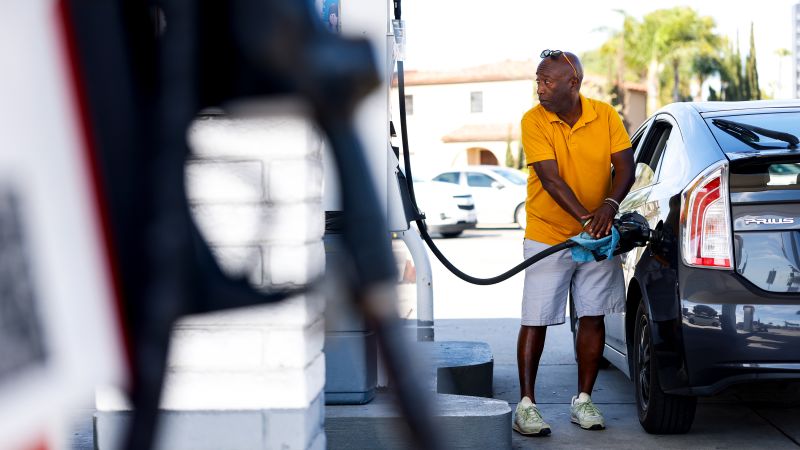
The inability to manage crude effectively has forced regional producers to scale back output. Consequently, gasoline prices in the U.S. have sharply increased, with a 50-cent rise to $3.48 per gallon over one week, surpassing rates seen during either of President Donald Trump’s terms.
Despite the current turmoil, a surplus in global oil supplies remains as the world previously faced a glut. The oil market had been relatively stable, with prices around $60 a barrel before the escalation of hostilities.
Market forecasts, such as those by Dan Pickering of Pickering Energy Partners, suggest prices around $60 per barrel for 2027 and 2028 deliveries, indicating a belief among traders that the $100+ prices might not persist.
The ongoing conflict has exceeded initial expectations for resolution, with Homayoun Falakshahi from Kpler warning that continued blockade of the Strait could push prices to $150 a barrel if unresolved by March’s end.
Global governments are weighing various strategies to alleviate market pressures, including G7 finance ministers considering the release of oil reserves. The Trump administration also proposed providing insurance for tankers navigating the strait, compensating for insurers’ reluctance to cover vessels in the volatile region.
Additionally, the U.S. indicated intentions to secure naval escorts for ships to ensure safe passage, though this has yet to materialize amid persistent apprehensions from shipping companies. Without prompt solutions, escalating oil prices appear likely. “The higher the price goes, the more pressure on the Trump administration to do something to protect the strait,” noted Pickering, pointing to the increasing urgency for decisive actions as oil prices rise.