Article Summary –
The Trump administration’s cuts to Medicaid are expected to severely impact rural healthcare in America, despite the introduction of a $50 billion Rural Health Transformation Fund aimed at improving healthcare access and infrastructure in rural areas. Experts argue that this new fund will not compensate for the anticipated $1 trillion in Medicaid cuts over the next decade, significantly affecting states like Michigan, where Medicaid supports over 2.6 million low-income residents. Rural hospitals, like those in Michigan, face financial uncertainty and potential service reductions, with experts suggesting that long-term federal support and policy changes are necessary to sustain rural healthcare.
Rural health care in America is facing a financial crisis as the Trump administration cuts Medicaid funding, despite its assurances that a new rural health fund will boost services in rural communities. The Centers for Medicare and Medicaid Services began distributing funds from the Rural Health Transformation Fund, part of a budget bill signed by Trump in July 2025, aiming to provide $50 billion over five years to enhance rural health access and infrastructure.
Experts argue that the $50 billion will not cover the anticipated $1 trillion Medicaid cuts over the next decade. States must apply annually for a share of the rural health funding. Michigan is currently accepting applications for part of its $173 million grant, intended to foster regional partnerships, recruit rural health workers, and expand telehealth services.
Estimates predict Michigan may lose over $2 billion annually in Medicaid funding. “It is unlikely this program will fully restore rural health care,” said Michael Shepherd, a University of Michigan rural health expert. “These cuts are significant and will persist without major federal policy changes.”
The One Big Beautiful Bill Act, signed by Trump in July 2025, includes Medicaid cuts and the rural health fund. Medicaid covers over 2.6 million low-income Michigan residents, with rural areas heavily impacted by cuts. According to the Michigan League for Public Policy, 37 of the 41 counties with over 20% Medicaid coverage are rural.
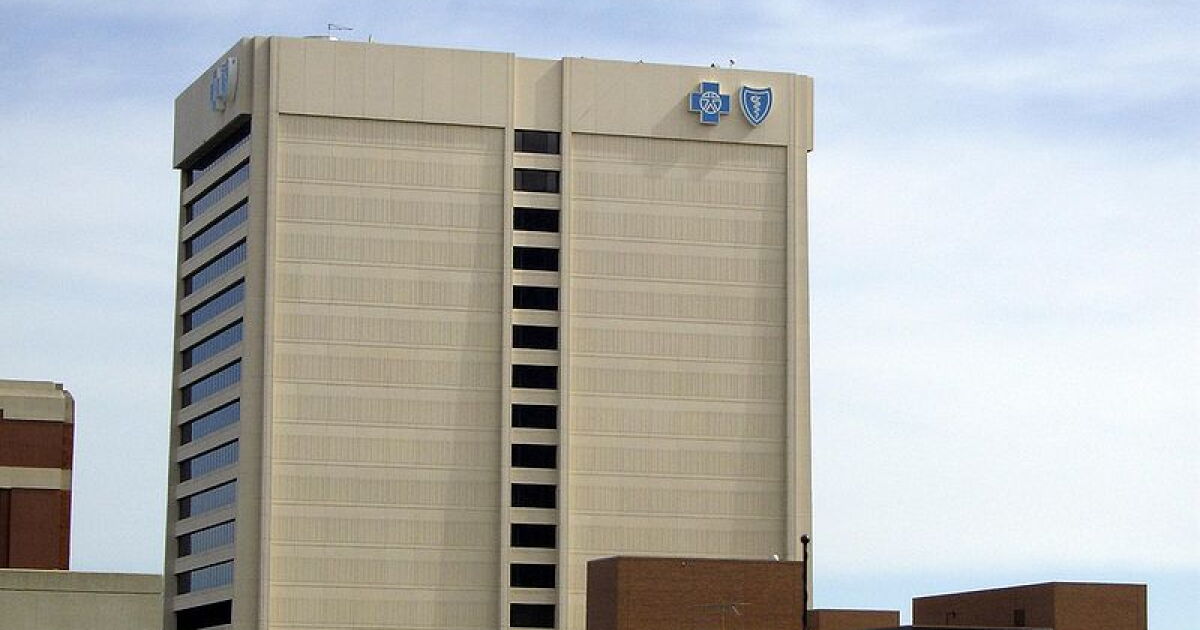
The National Rural Health Association highlights that rural populations face unique health care challenges, including economic and social barriers and geographic isolation, which contribute to health disparities. Munson Healthcare, Michigan’s largest rural provider, anticipates losing $30 million due to Medicaid cuts, alongside other industry challenges like decreased Obamacare enrollment and new Medicaid work requirements.
Gabe Schneider, Munson’s director of government relations, noted that while they hope to secure grant funding, it pales in comparison to the Medicaid cuts. The program’s uncertainty poses challenges for health systems reliant on long-term planning. Strict oversight allows the Trump administration to rescind funds, and future administrations could alter the program before it ends in 2030.
In a Michigan House committee meeting, Republicans questioned the state’s definition of “rural” for grant eligibility. Michigan uses the Federal Office of Rural Health Policy classification, sparking concerns about competition with urban areas like Wayne and Oakland counties. Munson’s service area covers 29 counties and 540,000 patients. Schneider believes the rural classification is appropriate, as some hospitals qualify as sole community providers.
The financial strain on rural hospitals will worsen without more federal support, Shepherd warned. Expensive but unprofitable services like labor and delivery, mental health, and long-term care could be cut. Shepherd suggested stable, long-term rural hospital funding, such as changes in reimbursement methods, would better support these facilities, though state-level options are limited.
—
Read More Michigan News