Navigating Dementia in Kenya: A Daughter’s Journey
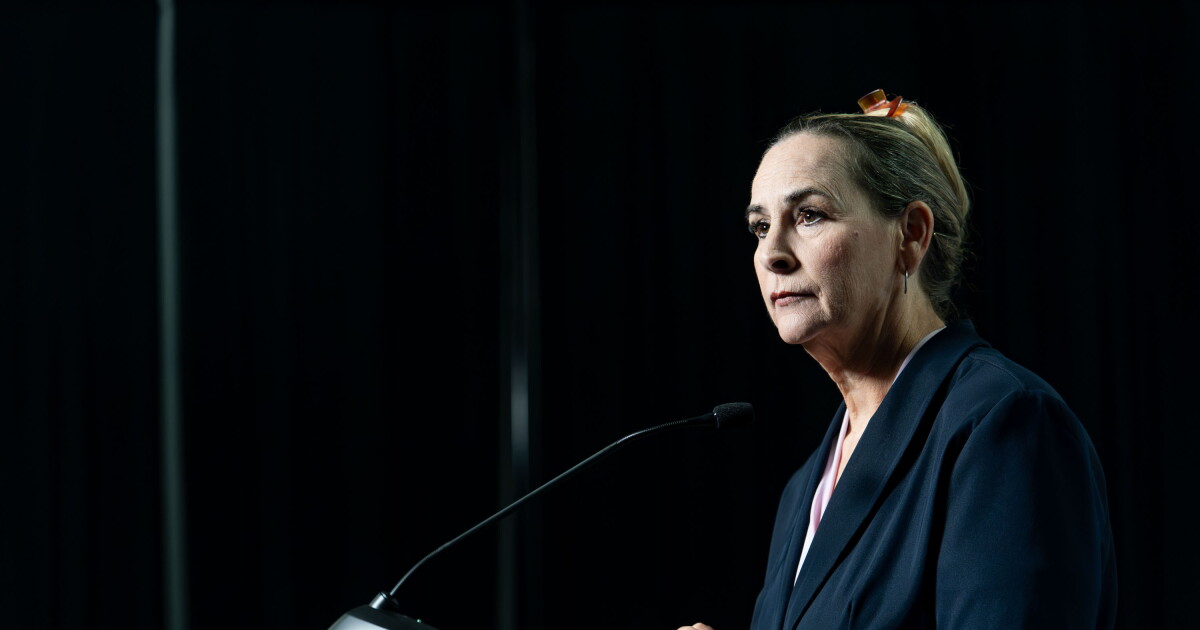
While many share stories of their fathers’ quirks and habits, Wambūi Karanja faces a different reality. Her father’s journey with early onset dementia has shaped her life in profound ways, leading her to a path of caregiving advocacy in Kenya.
As a teenager in Nairobi, Karanja’s world shifted when her father, then a teacher in his 50s, was diagnosed with dementia. Now 32, she reflects on the significant life events he hasn’t witnessed, such as her college graduation and her career as a researcher. “I [can’t] stand listening to my friends complain about their dads, because I don’t get to experience my dad the same way you get to experience yours,” she shares. “It’s a very lonely thing.”
This personal experience has fueled Karanja’s dedication to support families through similar challenges. Her work at the Brain and Mind Institute at Nairobi’s Aga Khan University focuses on educating families about caregiving. Recently recognized as “One to Watch” by the Alzheimer’s Association, Karanja continues to raise awareness about dementia in Kenya.
Dispelling Myths and Misunderstandings
Karanja highlights prevalent myths about dementia in Kenya, such as the belief that it’s a natural part of aging or has spiritual causes. These misconceptions often prevent individuals from seeking necessary medical assistance. In some cases, families might even blame the afflicted or their relatives, attributing the condition to curses or witchcraft.
Educating families about the biological nature of dementia is crucial. Karanja emphasizes, “Acceptance of a diagnosis stops families from running to get the next solution.” This acceptance helps families prepare realistically for the challenges ahead, rather than pursuing unattainable cures.
Challenges in Diagnosis and Support
Diagnosing dementia in Kenya can be daunting, given the limited number of neurologists available. With only about 30 specialists for over 55 million people, access to diagnosis is primarily for those who can afford private healthcare. This scarcity underscores the need for increased resources and awareness.
Karanja also stresses the importance of caregiver support. “A caregiver has to learn the skill of how to support themselves, because if they can’t look after their own well-being, if a caregiver is not well, they will not be able to look after the person with dementia,” she explains. Finding personal time and community support are essential for caregivers to maintain their own health.
Finding Moments of Dignity and Peace
Despite the challenges, Karanja finds solace in her father’s care. “With my dad, for the last three years, he’s been bedridden and he’s not been able to recognize me. Honestly the thing that brings the joy is seeing him taken care of and living with dignity,” she says.
The journey with dementia is one of constant adaptation, but with understanding, acceptance, and support, families can navigate these challenges with dignity and compassion.
Copyright 2026 NPR
—
Read More Michigan News