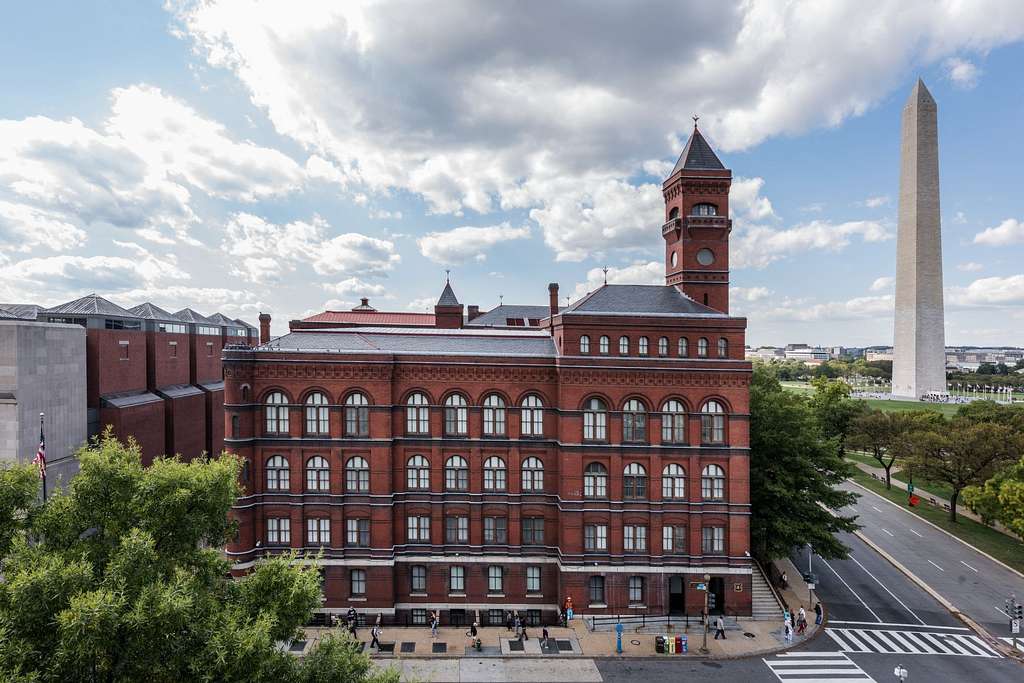
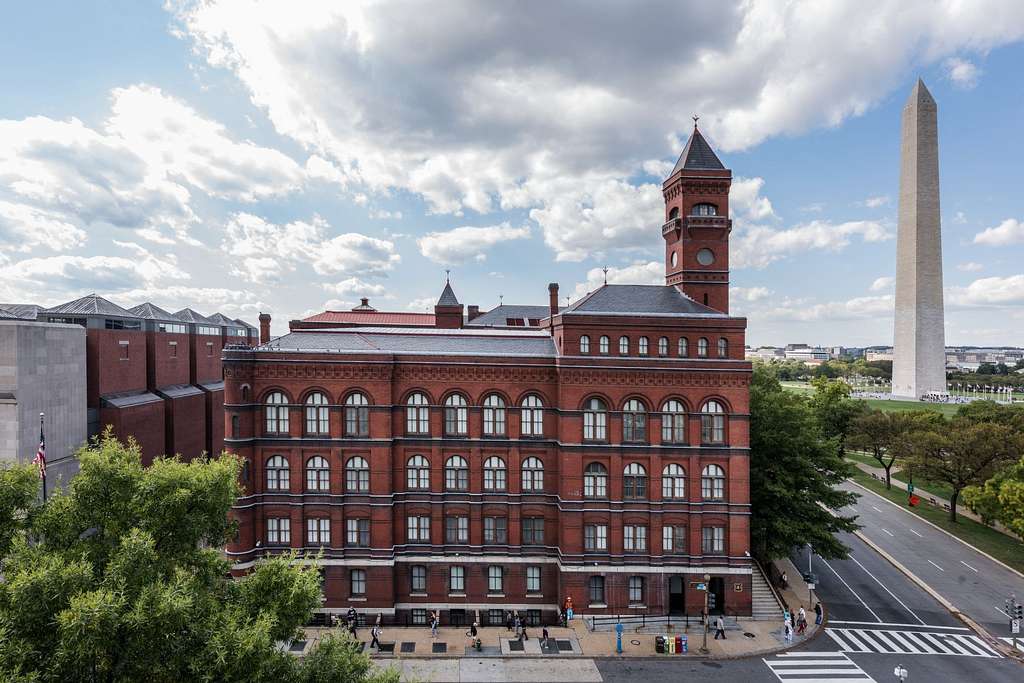
The U.S. Forest Service is relocating its headquarters from Washington, D.C. to Salt Lake City, federal officials announced. This move is part of a comprehensive reorganization strategy aimed at improving efficiency and bringing the agency closer to the forests it manages. The plan will replace nine regional offices with 15 state-based directors to oversee national forests.
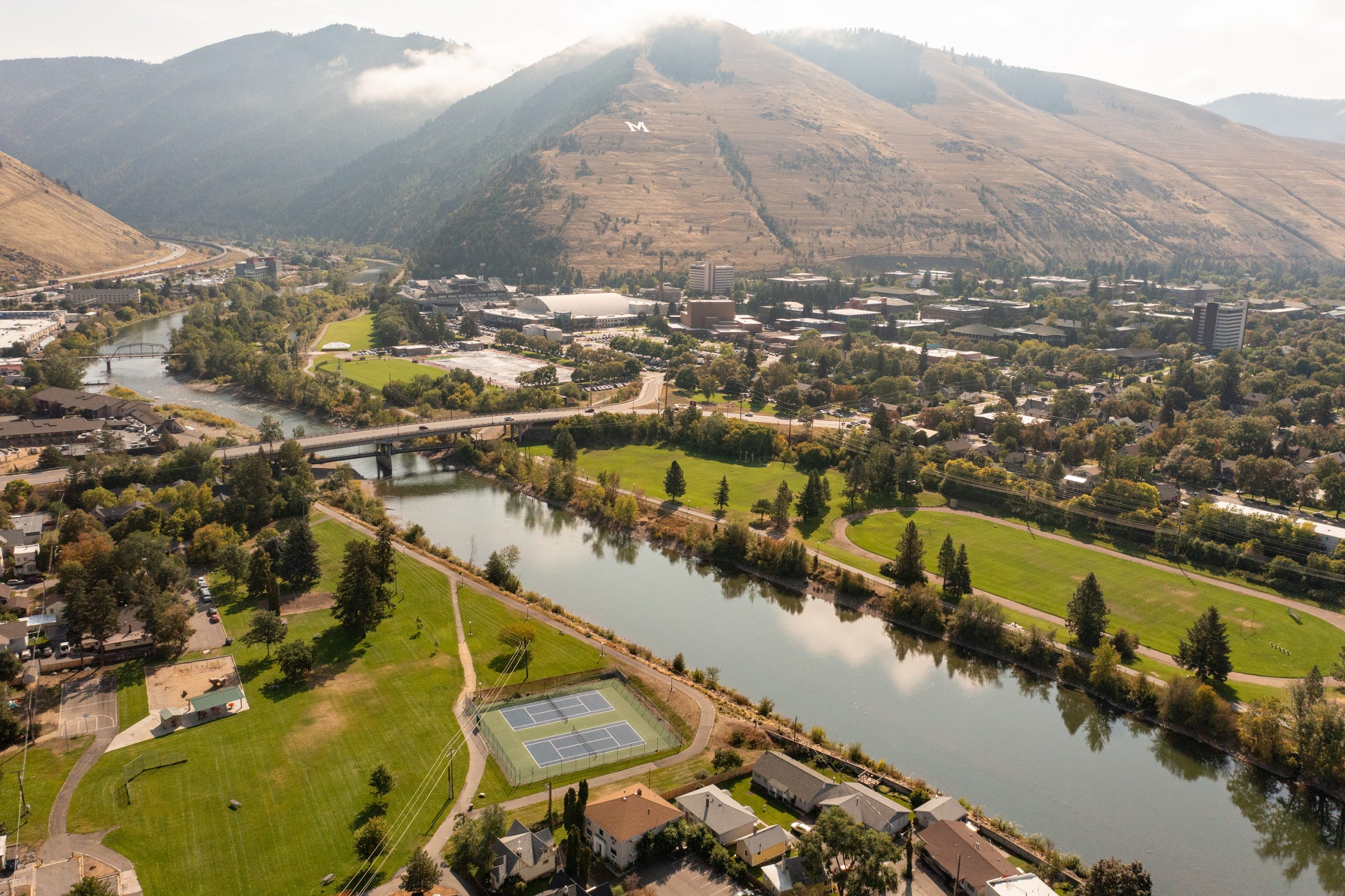
In this restructure, Montana’s regional office in Missoula will transfer to Helena. A combined director’s office in Cheyenne, Wyoming will serve North Dakota, South Dakota, and Nebraska. Idaho will have its own office in Boise. Missoula will become a national-level operations center focusing on specialty support, such as bridge engineering. Other centers will be in Albuquerque, Athens, Fort Collins, Madison, and Placerville.
The Missoula-based Rocky Mountain Research Station will remain operational for wildfire research and ecological science, though research centers in Bozeman and Hungry Horse will close. Wildland firefighting operations via the National Interagency Fire Center in Boise will not be affected by the restructuring.
Agriculture Secretary Brooke L. Rollins stated, “Moving the Forest Service closer to the forests we manage is an essential action,” in a Tuesday email announcement. Establishing a western headquarters is expected to streamline operations and align the Forest Service with landscapes and communities.
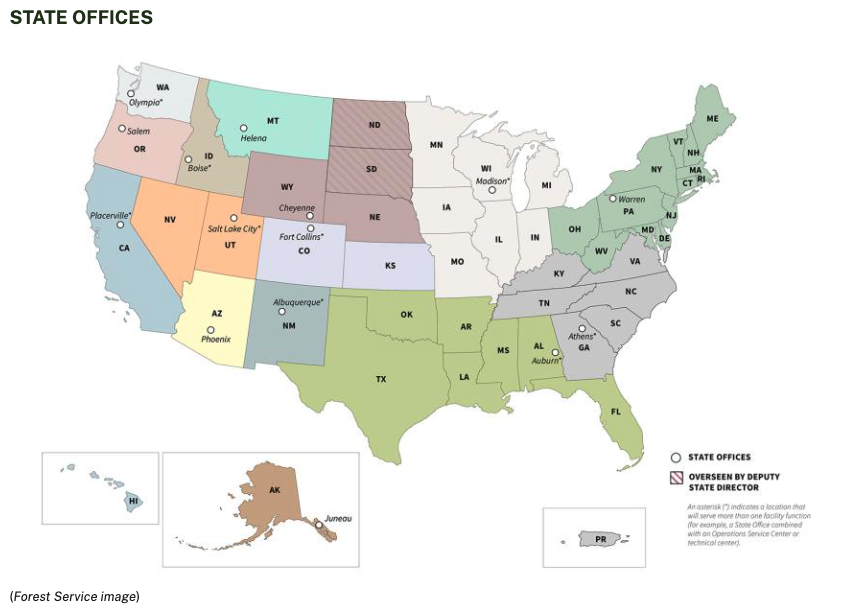
This restructure aligns with the Interior Department’s Bureau of Land Management’s state-based model. Former Chief Dale Bosworth remarked on the potential advantages of this change, although he questioned moving the headquarters to Salt Lake City. Bosworth emphasized the importance of maintaining close ties with Congress and other agencies.
The reorganization will result in the closure of all regional offices. Buildings and properties may be eliminated, with research stations managed from Fort Collins. Albuquerque will continue its role in national business support and human resources. The Forest Service manages over 193 million acres, including wilderness and grazing lands, serving as a vital resource for recreation and drinking water for millions.
—
Read More Montana News