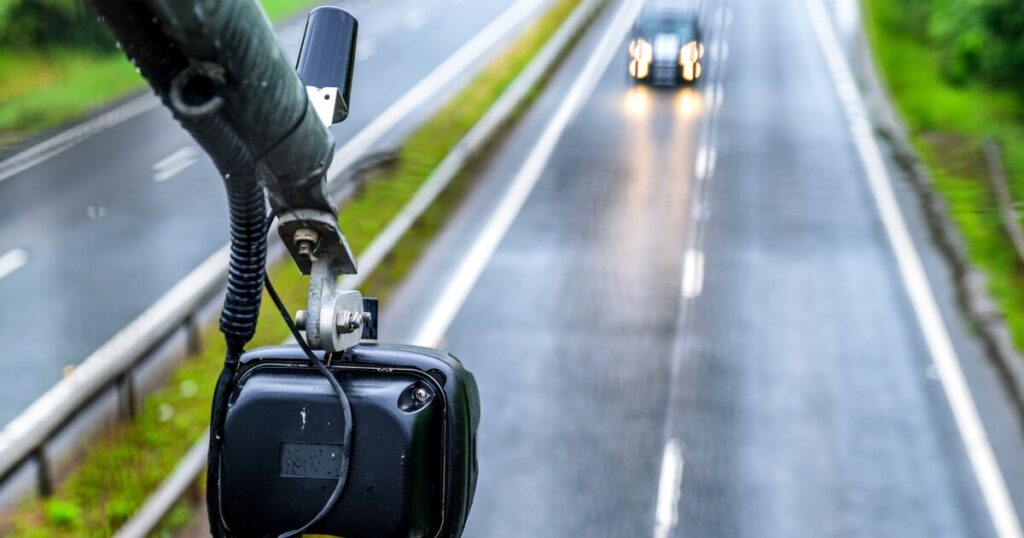
Automated license plate readers (ALPRs) have become increasingly prevalent across Michigan, sparking ongoing debates about privacy and data management. With over 125 municipalities in the state utilizing these devices, primarily through Flock Safety, they have become a favored tool for local law enforcement in addressing criminal activity.
According to Flock Safety spokesperson Paris Lewbel, the technology captures images of vehicle license plates to aid in investigations related to stolen vehicles, burglaries, assaults, and missing persons. It is important to note, as Lewbel explains, that these systems do not track the movements of vehicles or individuals but instead provide discrete snapshots in time.
Despite these assurances, Waterford Township’s recent decision to approve a contract with Flock during a January city council meeting was met with apprehension from some community members. “The hard reality is that yes, the tools that Flock provides are useful for catching criminals and without them it will indeed make your jobs more difficult,” stated resident Drew Marchewski, voicing concerns about potential infringements on civil liberties.
Resident Haley Smith echoed these sentiments, emphasizing the risks to personal privacy and suggesting alternative solutions such as increasing police personnel instead of relying on corporate solutions.
In response to these concerns, Police Chief Scott Underwood clarified that ALPR systems only capture images of vehicles and license plates, with no personal data attached, and that these images are deleted after 30 days. “There is no registration information or personal information connected to those images,” he assured.
Regarding data sharing, Lewbel noted that Flock Safety does not partner with or share data with the U.S. Immigration and Customs Enforcement (ICE) or any other sub-agency of the Department of Homeland Security without explicit consent from the data-owning agency.
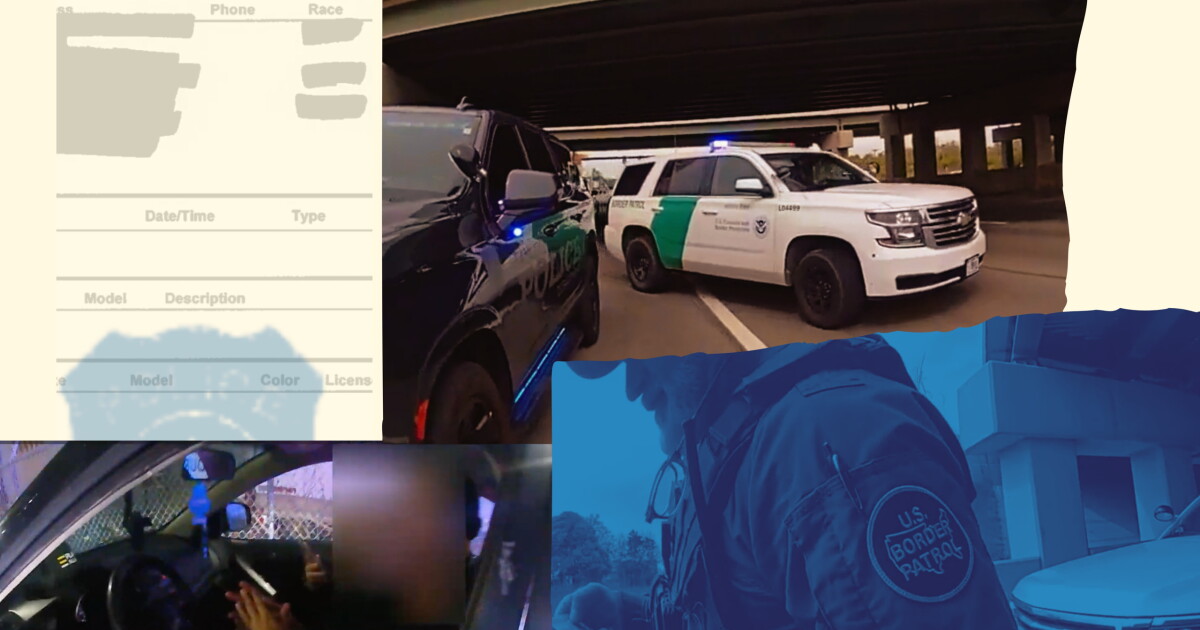
Nevertheless, a report from 404 Media indicated that some local law enforcement entities have utilized Flock’s ALPR system to conduct searches for federal agencies such as ICE. However, Detroit Police Chief Todd Bettison and Oakland County Undersheriff Tim Willis have both stated that their departments do not engage in such practices or data sharing with ICE.
Undersheriff Willis emphasized the importance of maintaining public trust, asserting that his department retains ownership of the data collected and has not received requests from ICE for access. “If it’s an immigration status offense that involved a crime, we would handle that locally,” Willis explained.
Despite these reassurances, privacy concerns persist among residents and advocacy groups. In some instances, local officials have discovered that federal agencies accessed their data without prior knowledge.
To address these issues, Michigan lawmakers Jimmie Wilson Jr. and Doug Wozniak have introduced a bipartisan bill package aimed at regulating ALPR data usage. Proposed Bills 5493 and 5492 seek to establish stricter controls on data storage and access.
—
Read More Michigan News