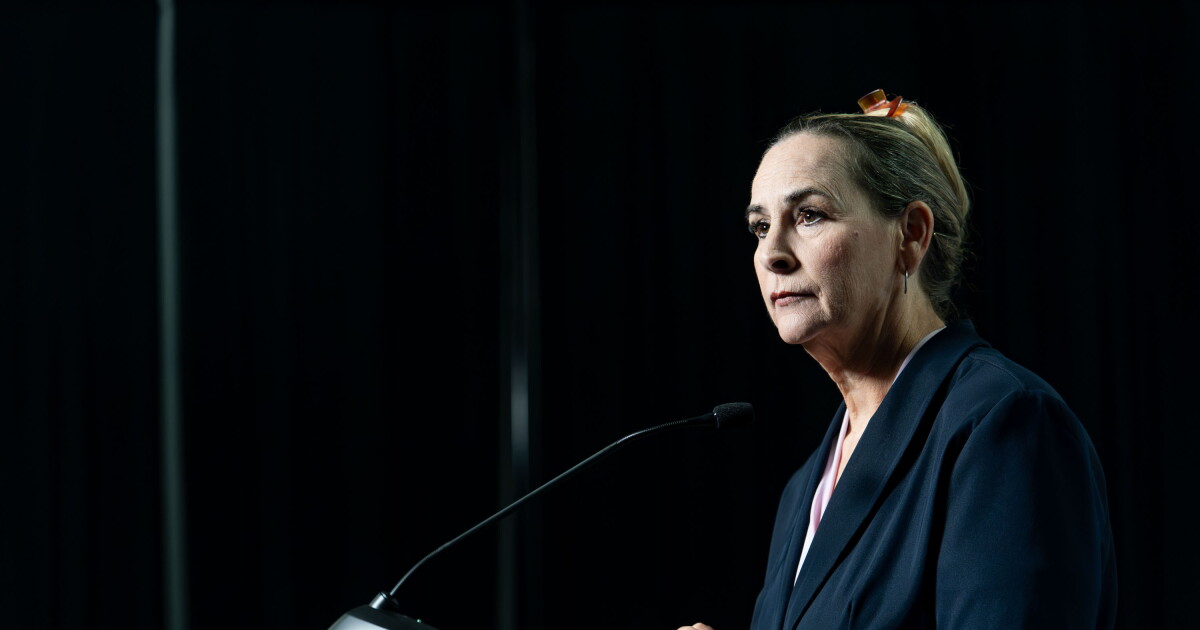
Increasing rates of mood and anxiety disorders among pregnant individuals in the United States are raising concerns among researchers and healthcare professionals. Prominent among these voices is Kara Zivin, a behavioral health services and policy researcher at the University of Michigan, who has delved into this issue through her research and personal experience.
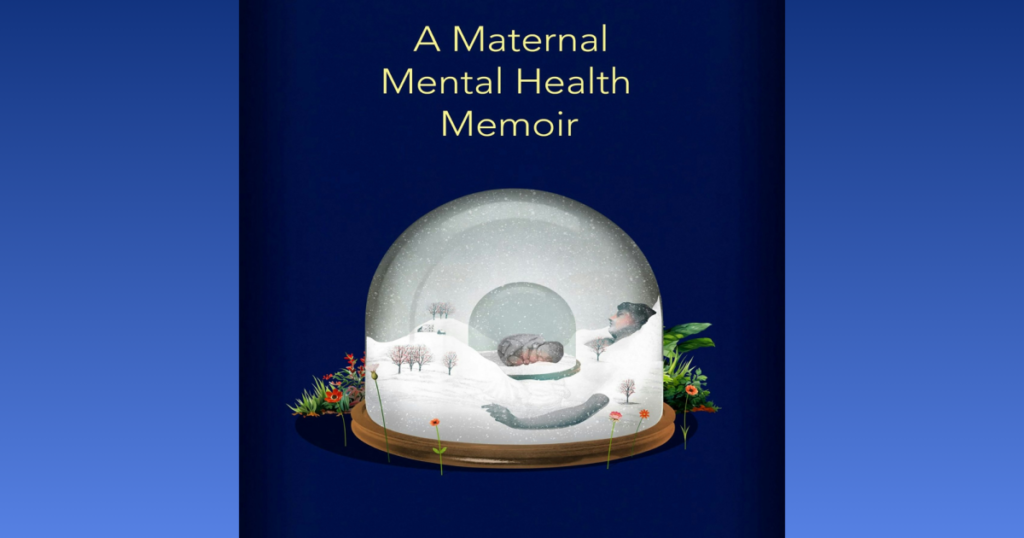
Zivin, known for her candid discussion of her own severe depression during pregnancy, has published a book titled Persevered: A Maternal Mental Health Memoir. She recently shared her insights and personal journey on Michigan Public’s Morning Edition with producer Caoilinn Goss.
Caoilinn Goss: What led you to explore depression?
Kara Zivin: My interest in depression was sparked by my own mental health challenges during high school. I became a peer counselor and considered a career in psychology before deciding to take a broader, population-level approach to mental health research. Though awareness of mental health issues has improved, stigma remains and more effort is needed to address it.
CG: I appreciate your honesty about mental health in your book. Can you share your experience during pregnancy?
KZ: My pregnancy was marked by worsening insomnia, depression, and anxiety, especially after I stopped taking antidepressants. Many people relapse after stopping medication, and I was one of them. My condition deteriorated to the point where I overdosed on medication eight months into my pregnancy, which led to hospitalization. Electroconvulsive therapy eventually helped me recover.
CG: You discuss the dilemma of antidepressant use during pregnancy in your book. How has this perspective evolved over the years?
KZ: The decision to use antidepressants during pregnancy involves weighing individual risks and benefits. The understanding that poor maternal mental health can negatively impact both mother and child is becoming more recognized, leading to a nuanced approach in treatment.
CG: The American Medical Association and the American College of Obstetricians and Gynecologists have recommended improving mental health services for pregnant women. Why has this taken so long?
KZ: Although women have likely faced mental health challenges during pregnancy throughout history, awareness and treatment have evolved over time. Multiple professional organizations are now addressing this issue, but more frequent screenings are needed beyond the current recommendation of once during pregnancy or postpartum.
“The risk of suicide and mental health conditions is a leading cause of preventable maternal morbidity and mortality.”
Professor Kara Zivin
CG: What are some misconceptions about perinatal mental health that persist today?
KZ: Many people, including myself, were unaware that suicide and mental health conditions are significant causes of preventable maternal morbidity and mortality, a problem that extends beyond the immediate postpartum period.
CG: In your book, you highlight the disparities in maternal depression among different demographics. What factors contribute to this, and how can the gap be narrowed?
KZ: Factors such as income inequality, housing insecurity, and lack of access to healthcare contribute to higher risks of maternal depression among lower-income mothers and women of color. The shortage of mental health providers and maternity care deserts exacerbate these issues, highlighting the need for better access to care.
CG: How are you and your family doing now, 15 years later?
KZ: My son, now in high school, understands the importance of sharing our story to help others. Before my illness, my research focused on older adults, but my experience during pregnancy shifted my focus to maternal mental health, intertwining my personal and professional lives.
CG: What advice would you offer to someone experiencing what you went through?
KZ: I would encourage my younger self and others to trust themselves more. Society has many expectations about pregnancy and parenting, but it’s crucial to make personal decisions and build unique relationships with family.
CG: Thank you, Professor Zivin.
KZ: Thank you for supporting mental health awareness.
Help is available for those in crisis. Call or text 988 for support.
Editor’s note: Some quotes have been edited for clarity and brevity. Listen to the full interview at the top of this page.
—
Read More Michigan News