Article Summary –
Lynn Weidner and other homecare workers in Pennsylvania are struggling financially due to increased costs of healthcare, groceries, and gas, exacerbated by policy changes from congressional Republicans, including cuts to Medicaid, federal food assistance, and the lack of extension for Affordable Care Act tax credits. Many individuals like Krysten Xanthis and Arona East have been forced to choose between essentials like food and utilities or forego health insurance altogether, leading to feelings of frustration and a call for political change. The rising costs have become a significant concern for voters, as highlighted in a KFF poll, with healthcare and gas being the top financial worries influencing their decisions in the upcoming midterm elections.
For Lynn Weidner, a homecare worker in Allentown, spring’s arrival means she can finally afford her mother’s beloved Chinese takeout again. Winter’s heating bills make such indulgences too costly.
“I try to make things at home during winter,” Weidner shared with the Pennsylvania Independent. “Now that it’s spring, the heating cost is down, so I can say, ‘OK, Mom, let’s order Chinese.'”
Weidner juggles 80-hour weeks caring for her mother with Alzheimer’s, her partner with cerebral palsy, and her toddler niece. Financial pressures mount as congressional Republicans failed to extend Affordable Care Act tax credits, spiking her healthcare premium from $400 to $700 monthly.
Grocery costs and oil prices are climbing amid ongoing conflict in Iran. “Gas prices are ridiculous,” Weidner remarked. “I often wonder if I can make it to appointments on an eighth of a tank or need to borrow for gas.”
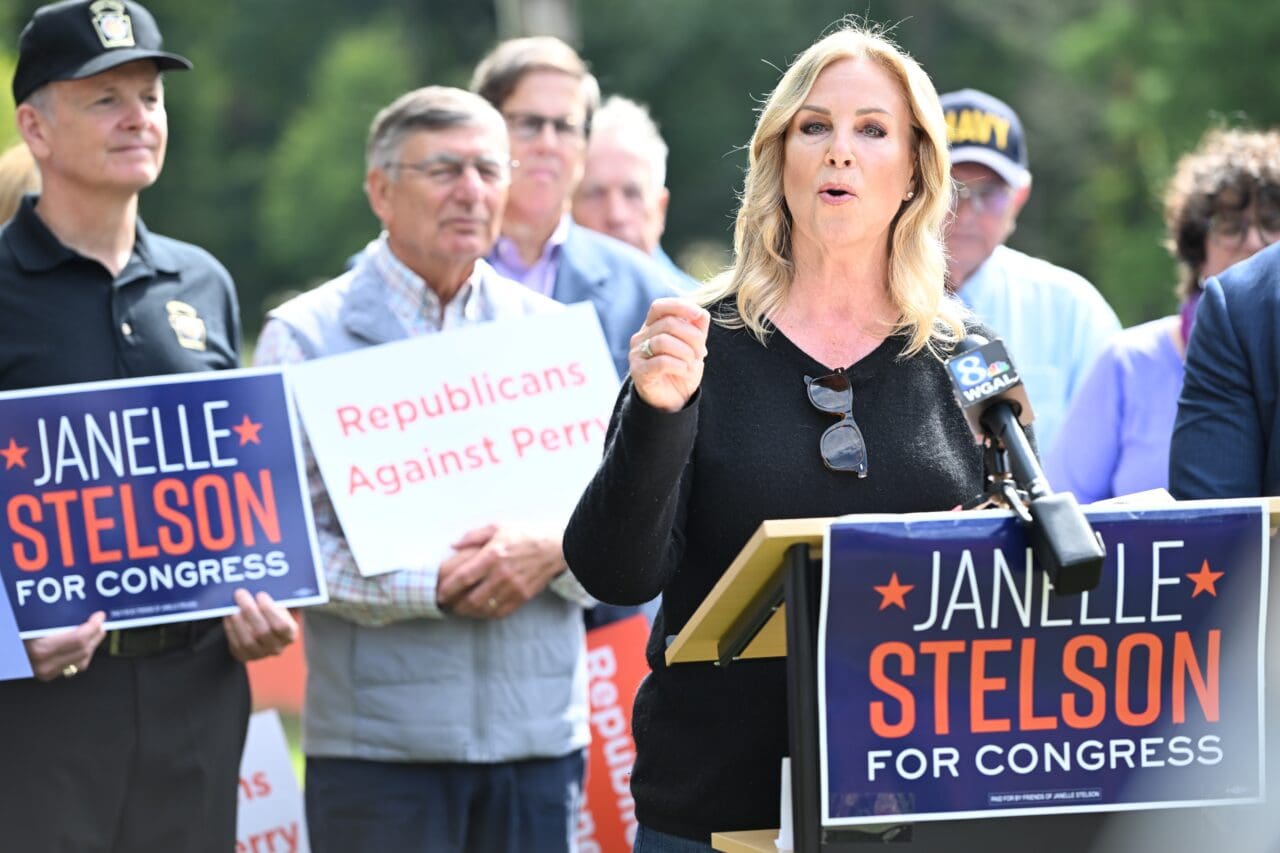
Across Pennsylvania, people face hardship due to Republican policy decisions, including Medicaid cuts and federal food assistance reductions from the One Big Beautiful Bill Act. Executive director Rachele Fortier criticized U.S. Reps. Ryan Mackenzie, Rob Bresnahan, and Scott Perry for supporting these cuts. Democrats aim to flip their districts in the upcoming election.
During a pre-Mother’s Day call, individuals shared how rising costs affect families. Krysten Xanthis, earning $13 an hour as a homecare worker, faces food insecurity due to SNAP cuts. “My fridge is basically empty,” she lamented. “It’s utilities or groceries, not both.”
Xanthis and Weidner condemned Republican support for budget cuts, suggesting it might prompt voters to oust them in November. All 435 House seats are up for grabs, with Republicans currently holding a slight majority.
Arona East from Harrisburg said her family dropped health insurance due to cost. “A family plan costs $800 per pay period,” East explained. “Marketplace insurance is unaffordable, so I can’t even consult someone about perimenopause symptoms.”
Healthcare costs are a significant election issue, according to a KFF poll showing nine in 10 voters see it as influential. Rising costs, especially healthcare and gas, concern many Americans, with a third cutting back on essentials to cover medical expenses.
Weidner, living paycheck to paycheck, struggles with ongoing medical debt for her anemia. “I always have a bill, even with insurance,” she said. “It’s a revolving door of medical debt.”
These financial strains leave caregivers feeling exhausted and forgotten by government. “These politicians aren’t for us anymore,” East commented. “It feels like a personal attack, like the administration is threatening my life.”
“Assistance recipients put money back into the economy,” Weidner argued. “But tax-cut beneficiaries hoard it. We’re not draining the system; we’re supporting it.”
—
Read More Pennsylvania News