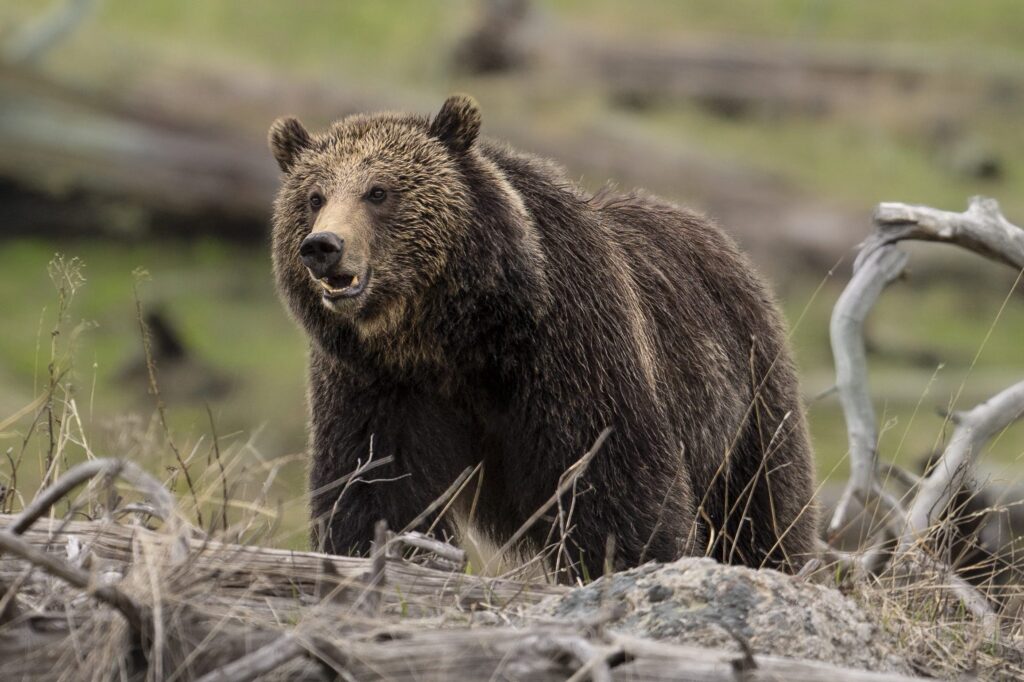
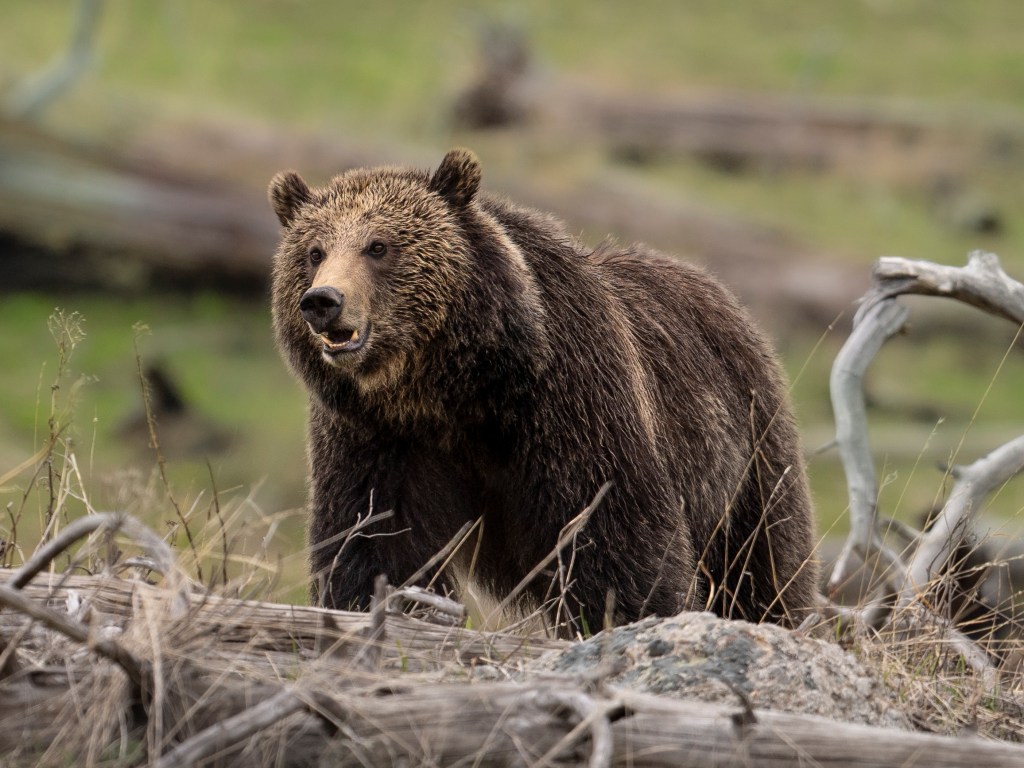
Grizzly bear activity surged early this year, starting with a May 4 incident where two hikers were mauled in Yellowstone National Park. The bears have shown unusual activity since New Year’s, causing Yellowstone officials to prepare for a challenging summer.
Yellowstone Chief Ranger Tim Reid remarked at a May 6 Interagency Grizzly Bear Committee meeting, “This whole winter set the stage for everything being early.” Favorable hiking conditions, due to minimal snow, led to an increase in visitor numbers on trails typically avoided in spring. This factor possibly contributed to an attack on Mystic Falls trail, where two brothers encountered grizzlies.
The area, near Old Faithful, had a spring hiking ban to reduce conflicts, but the restriction was relaxed in 2024. Another event highlighted human-bear interaction challenges: a roadside bison carcass attracted grizzlies and wolves, drawing tourists who ignored safety rules. Bear manager Kerry Gunther said, “We talked to one woman who couldn’t believe bears were dangerous.”
Grizzly management in Greater Yellowstone is complex. Grizzlies are few and protected under the Endangered Species Act since 1975, yet their presence impacts heavily. At a Yellowstone Ecosystem Subcommittee meeting, officials discussed the outcome of the 43-day federal government shutdown last fall, which delayed meetings. The U.S. Fish and Wildlife Service faces a December deadline to decide the grizzly’s ESA status. Changes in the final weeks of the Biden administration limited federal protection to certain states.
Some officials, including Montana Senator Steve Daines, argue grizzlies have recovered and should be delisted, believing their population has rebounded since ESA protection began. IGBC Study Team Director Matthew Gould noted the Greater Yellowstone population reached about 1,055 by 2025. The population fluctuates but remains above targets. Similar recovery is seen in northwestern Montana’s Northern Continental Divide Ecosystem, while other areas struggle.
With day-to-day management ongoing, Montana and Wyoming ranchers report early livestock losses to grizzlies. In Grand Teton National Park, bear biologist Justin Schwabedissen noted early sightings of grizzly sows with cubs, leading to “bear jams.” He praised the all-volunteer Wildlife Brigade for managing crowds and providing education.
Yellowstone Park’s Gunther relies on 10 staff members to manage 5 million annual visitors and mitigate grizzly encounters. In 2025, the park handled 602 grizzly jams, each requiring significant ranger time. Tourists often exacerbate situations by surrounding animals for better views. “It can become a real mess fast if we don’t have staff present,” Gunther said.
Bears adapt to human presence: a male grizzly learned to exploit a trash can design, prompting park staff to remove the bear. Gunther stated, “We’re doing the best we can,” acknowledging challenges in balancing human and bear safety.
—
Read More Montana News