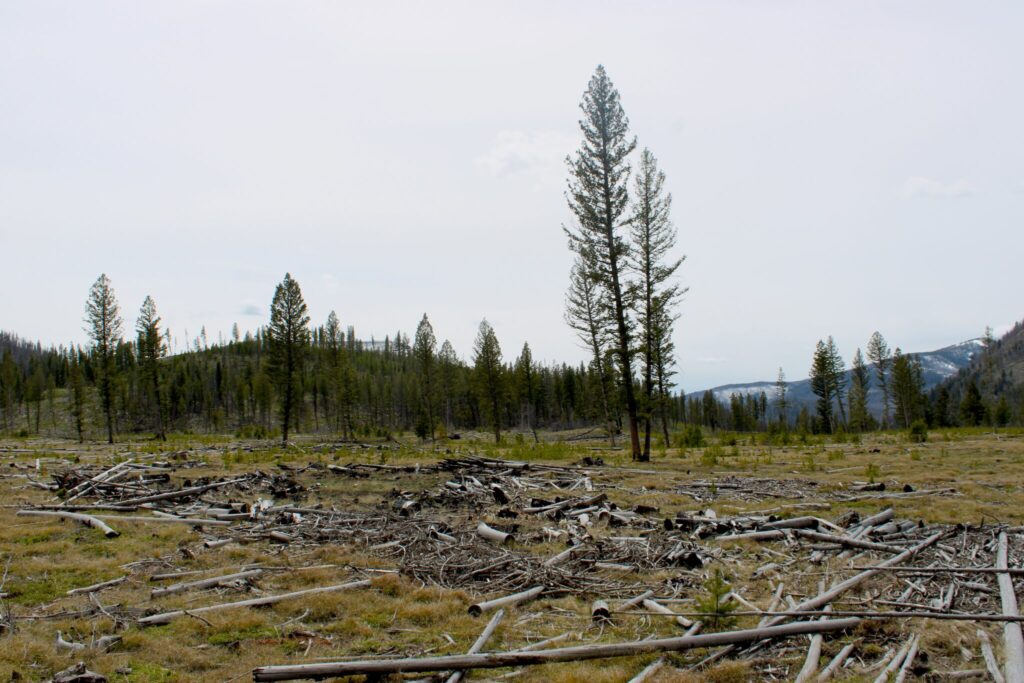
A recent report highlights the financial benefits of prescribed burns and thinning projects in wildfire management. This research, conducted by the Property and Environment Research Center, emphasizes the economic advantages of fuel treatments in national forests. According to the report, every dollar spent on these treatments in the Pacific Northwest leads to $5 to $6 in savings on firefighting costs. Additionally, across the western U.S., such treatments yield an average of $3.73 in avoided smoke and property damage expenses.
The study, led by Frederik Strabo from UC Davis, utilizes real-world data from the Forest Service, offering insights into how fuel treatments impact wildfire behavior. This comprehensive database allowed researchers to evaluate factors such as burn severity and fire spread probability. Larger projects, those over 2,400 acres, provide even greater economic returns.
The report also suggests modernizing partnerships with private timber firms to enhance fuel treatment efforts. U.S. Forest Service Chief Tom Schultz emphasized the practical application of landscape-scale treatments, aligning with legislative efforts like those by Sen. Tim Sheehy to promote fuel reductions and expand the Good Neighbor Authority program.
This research emerges amid staffing cuts in federal land management agencies, with Montana losing 267 Forest Service employees in 2025, a 13% reduction. Legal challenges to forestry projects persist, with some conservation groups arguing that forests are nearer to their natural density than federal studies indicate.
Strabo noted that some environmental litigation poses significant obstacles to fuel treatments, despite many fire ecologists supporting these measures. He stressed that natural fire return intervals are disrupted and that fuel treatments align with ecosystem health.
PERC26_BeyondWildfireSuppression
—
Read More Montana News