Kevin Warsh Confirmed as Federal Reserve Chair Amidst Inflation Concerns
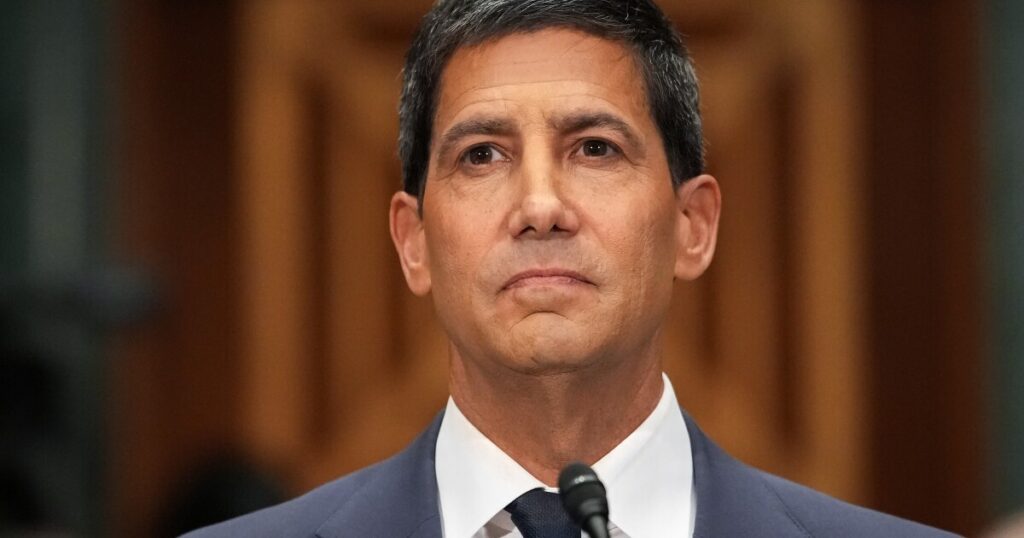
The U.S. Senate has confirmed Kevin Warsh as the new leader of the Federal Reserve, succeeding Jerome Powell. This transition occurs as President Trump hopes for a reduction in interest rates, despite ongoing inflationary pressures.
Warsh secured the position through a 54-45 vote, predominantly along party lines. Although he acknowledges potential for lower interest rates, Warsh has emphasized his independence in monetary policy decisions, promising not to be influenced by the White House. He refuted claims by Sen. Elizabeth Warren, D-Mass., of being a mere “sock puppet” for Trump.
Warsh steps into the role as Jerome Powell’s term concludes this week. Despite having been appointed by Trump, Powell faced criticism from the President for not reducing interest rates more swiftly. Powell’s departure marks the end of his tenure as chair, but he will remain on the board, a rare move aimed at protecting the Fed from political influence.
Powell’s Continued Influence
In an unusual decision, Jerome Powell will continue to serve on the Federal Reserve’s governing board after stepping down as chairman. Typically, outgoing Fed chairs leave the institution entirely. Powell aims to bolster the Fed’s independence and has pledged to maintain a low profile, ensuring Warsh’s leadership is not overshadowed. However, Powell retains a vote on the 12-member committee responsible for setting interest rates.
Some committee members are hesitant to cut rates due to persistent inflation above the 2% target, exacerbated by geopolitical tensions affecting oil prices. Three members have hinted that the next rate adjustment could be an increase rather than a decrease.
Recent data from the Labor Department indicates a 3.8% rise in the cost of living over the past year, marking the largest annual increase in nearly three years. This inflationary pressure coincides with disruptions in oil supply due to the conflict with Iran, further intensifying fuel costs.
Warsh has advocated for reforms within the Federal Reserve, suggesting enhancements in inflation measurement methods and proposing changes to Fed communication strategies. His background includes serving on the Fed’s board from 2006 to 2011, and acting as a liaison to Wall Street during the financial crisis.
Copyright 2026 NPR
—
Read More Michigan News