Article Summary –
Milwaukee emergency room doctor Chris Ford warns that closures of healthcare clinics and Medicaid cuts are straining the healthcare system, leading to issues like longer wait times and delayed care. President Trump’s budget law, which includes significant Medicaid cuts, is expected to cost Wisconsin $7 billion over ten years and could increase the number of uninsured people due to work requirements. Kiley McLean, a social welfare professor, criticizes the policy for creating barriers to coverage without effectively increasing employment, while Democratic Rep. Gwen Moore highlights that these changes will lead to higher insurance premiums, despite Republican Rep. Derrick Van Orden’s claims that there are no cuts to Medicaid or Medicare.
When healthcare clinics close and people lose insurance, Milwaukee ERs become a safety net amid a failing system, according to Dr. Chris Ford. He reports longer wait times and patients delaying care until critically ill.
Medicaid cuts in President Trump’s budget law last summer could cost Wisconsin $7 billion over a decade, Ford noted. This may force hospitals to cut services, impacting maternity wards, behavioral health resources, nursing home beds, and rural hospitals.
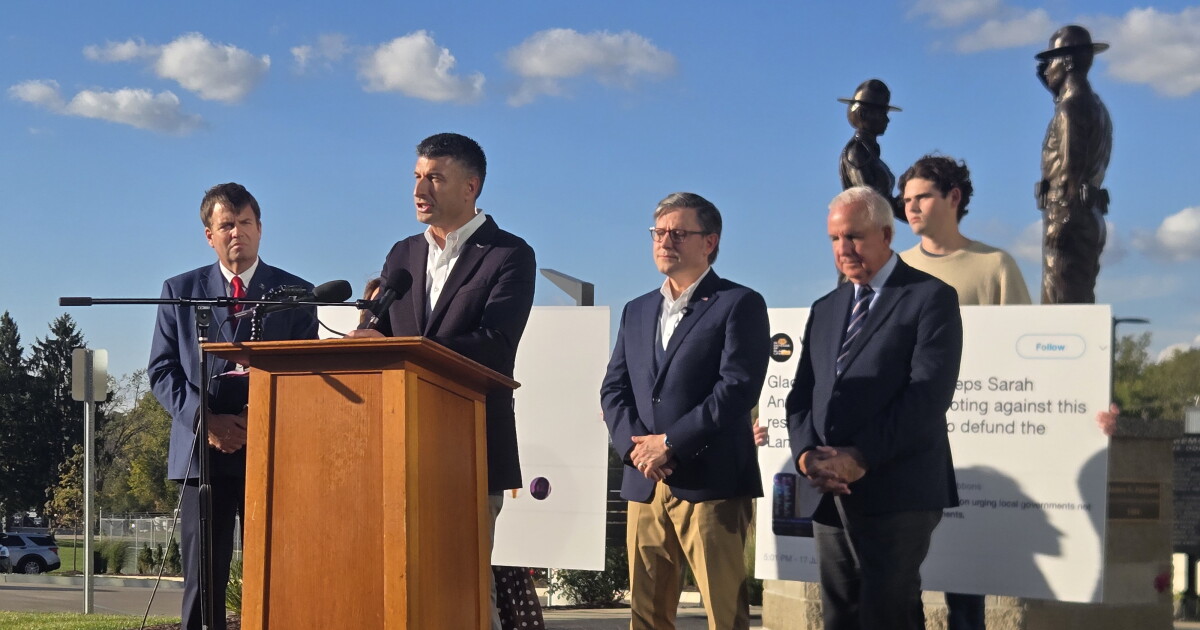
“Wisconsinites will pay with their lives,” Ford stated at a Protect Our Care Wisconsin press conference. “Patients are already suffering.”
The Congressional Budget Office estimated Trump’s budget would cut Medicaid spending by about $1 trillion over ten years.
A report by Protect Our Care highlights the impact of the Republican budget law on each state’s Medicaid. KFF forecasts Wisconsin could see 54,000 more uninsured by 2034 due to funding cuts, with work requirements contributing to over half of this increase.
“Medicaid isn’t an abstract political point; it’s essential,” Ford said, emphasizing it can mean the difference between accessing chemotherapy now or later and between children receiving therapy or not. It’s also crucial for keeping hospitals in Wisconsin open.
Kiley McLean, a professor at the University of Wisconsin-Milwaukee, supports people with disabilities and warns that funding cuts often target Medicaid-funded home and community-based care services first, risking unnecessary institutionalization.
McLean noted that caregiver shortages already strain these services, forcing some parents to leave jobs to care for children with disabilities. Institutional care is pricier long-term compared to home care.
McLean criticized Medicaid work requirements, stating they don’t significantly boost employment but create paperwork obstacles, causing coverage loss for eligible individuals.
The Congressional Budget Office projects Medicaid work requirements will reduce spending by $326 billion over ten years, potentially leading to 5.3 million more uninsured by 2034, according to KFF.
“Research consistently shows work requirements don’t improve access to competitive employment,” McLean said. “Instead, they create barriers causing people to lose coverage.”
Members of Congress weigh in
Republican Rep. Derrick Van Orden responded to Medicaid cut protests, reported WXOW in La Crosse. “Citizens can protest, but there are no Medicaid cuts,” he said, focusing on eliminating “waste, fraud, and abuse.”
Hospitals in Van Orden’s district could lose over $42 million annually, according to Third Way, a think tank.
During the Protect Our Care Wisconsin press conference, Democrat Rep. Gwen Moore noted Medicaid cuts could increase health insurance premiums nationwide. “Americans are already experiencing rising costs,” Moore said.
—
Read More Wisconsin News