Article Summary –
Private equity firms are increasingly investing in youth sports, leading to higher costs and pricing families out of participation, prompting U.S. lawmakers Chris Deluzio and Chris Murphy to introduce the “Let Kids Play Act” to ban such firms from youth sports unless they can prove they haven’t used exploitative practices. The bill defines “vulture practices” as actions that harm acquired entities to extract profit and mandates that banned firms divest from youth sports entities, provide refunds for junk fees, and void predatory contracts within two years. The youth sports industry, generating roughly $40 billion annually, faces criticism for becoming commercialized and inaccessible, with private firms like Black Bear Sports Group accused of prioritizing profit over children’s sports experiences, which has led to the collapse of long-standing local teams and increased financial burdens on families amid rising living costs.
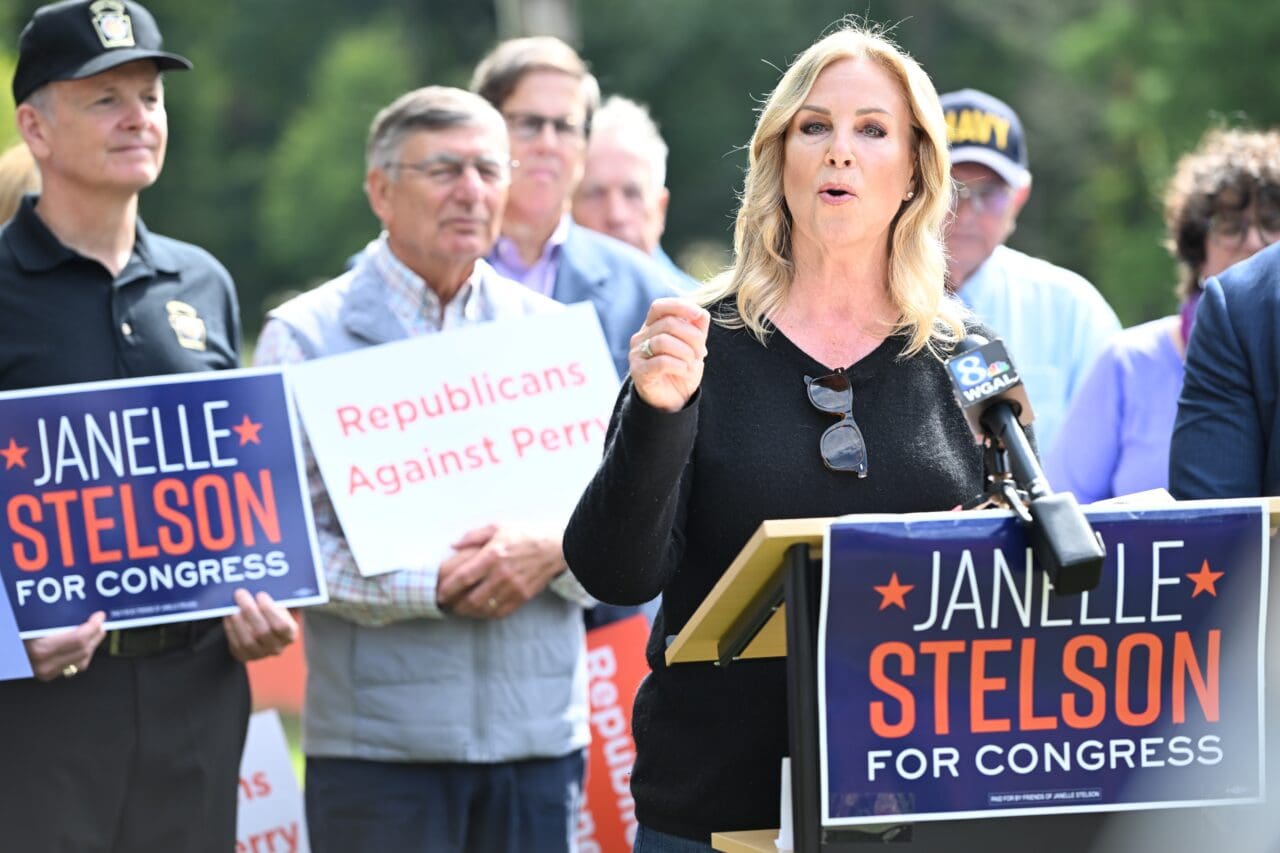
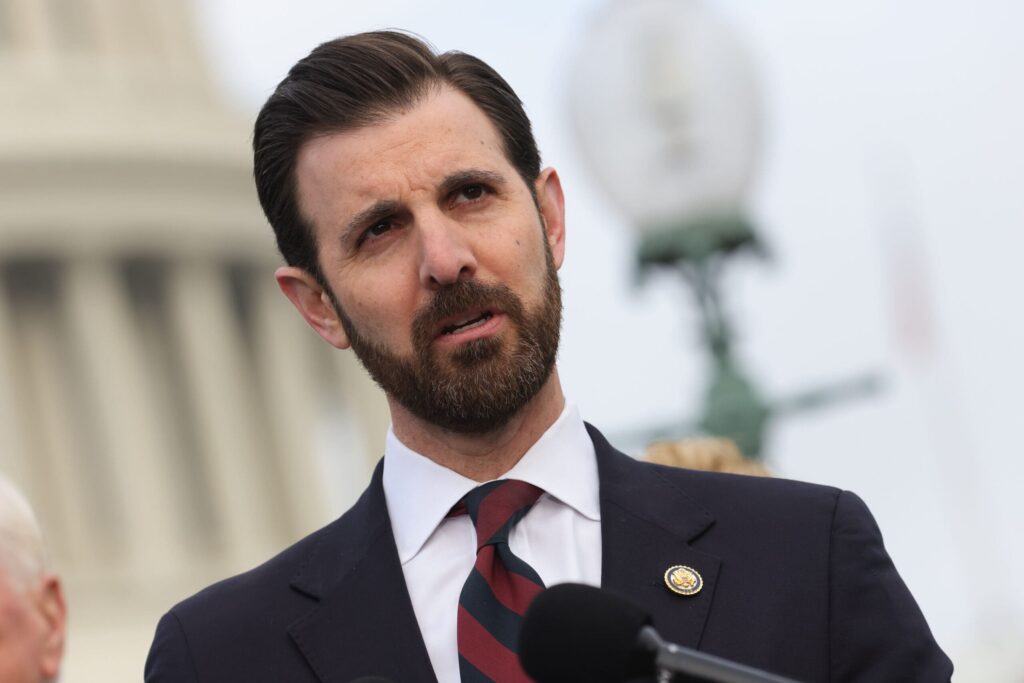
As private equity firms increasingly involve themselves in youth sports, taking over leagues, streaming services, and venues, families are encountering soaring costs for participation, according to U.S. Rep. Chris Deluzio of Pennsylvania during a May 13 press conference.
Addressing these rising costs, Deluzio and U.S. Sen. Chris Murphy of Connecticut introduced the Let Kids Play Act. The bill would label private equity firms as vulture investors, banning them from youth sports unless they can demonstrate no use of vulture practices like mandatory multiyear contracts.
“Vulture practices” are defined as any tactic causing harm or risk for profit extraction. Banned firms would need to sell their stakes in youth sports entities within two years and provide refunds for junk fees, cancel predatory contracts, and void debts or fees imposed on families.
Penalty funds would create a youth sports fund to enhance access in affected communities, including scholarships. “Youth sports should not be a luxury item,” Deluzio stated. “Private equity has turned this into a luxury item, pricing people out, making bank accounts a barrier to competition.”
The youth sports industry generates about $40 billion annually, according to Project Play. Millions of U.S. children play organized sports, and families spent $1,016 on average for their child’s primary sport in 2024, a 46% increase since 2019.
The commercialization of youth sports limits access to quality opportunities, said Jon Solomon of the Aspen Institute’s Project Play. Private equity firms have increased their ownership of youth sports leagues and venues, raising prices and adding fees for tournaments after families have invested significantly.
Murphy highlighted the effects of Black Bear Sports Group on youth hockey, noting the company owns the league where his son plays. “They aren’t optimizing the kids’ or families’ experiences. They use youth sports to profit,” he said.
Murphy cited the Pittsburgh Vipers, a 60-year-old youth hockey team, as a casualty of Black Bear’s control, folding after the company acquired and restricted access to their ice rink, reported USA Today.
A spokesperson for Black Bear Sports Group stated the company is neither private equity nor controlled by it, and they’re growing youth hockey through free and low-cost programs.
Murry Gunty, founder of Black Bear Sports Group, has rapidly acquired ice rinks and teams, steering families into costly leagues and fees, reported USA Today after an investigation.
During a public hearing, Gino Palmosina, head basketball coach at Moon Area High School, noted unsustainable rising costs for families. “A local experience has turned into a national business model,” he said, with families unable to afford participation.
Sen. Cory Booker highlighted the financial pressures on families due to increased costs of sports amid rising daily expenses. He criticized the flow of money to vulture capitalists rather than improving access or facilities.
—
Read More Pennsylvania News