New Legislation Aims to Address Insufficient Care in Michigan’s Auto No-Fault System
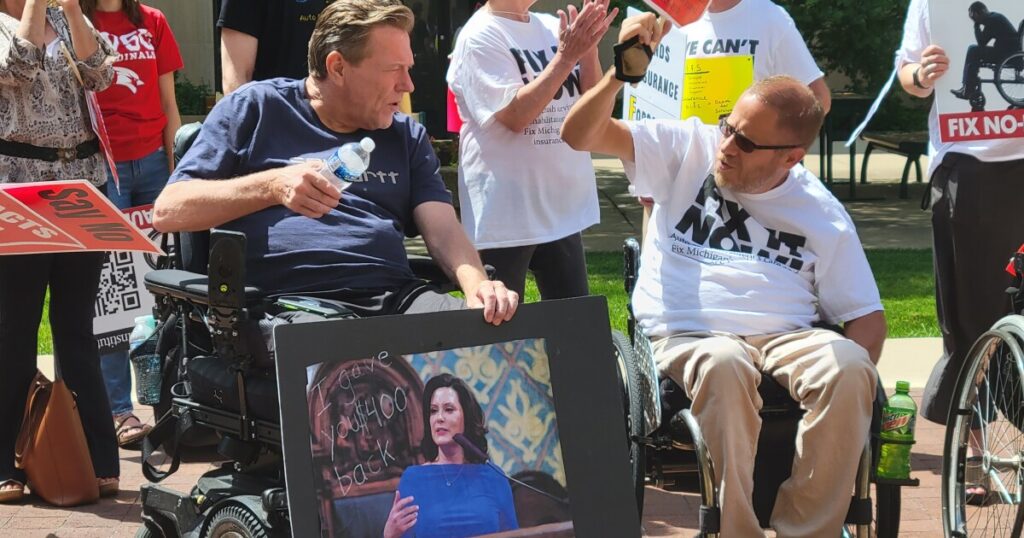
Michigan’s auto no-fault insurance system is under scrutiny as new bills, HB 5980 and HB 5981, have been proposed to rectify issues in post-crash medical care access for severely injured individuals. The 2019 reform of the auto no-fault law has left many with theoretically comprehensive lifetime medical policies that, in practice, fall short of expectations.
Advocates argue that the current reimbursement rates are so low that they effectively deny access to necessary medical services. Margaret Kroese, President of CPAN and an executive at Hope Network Neuro Rehabilitation, highlighted the financial strain on facilities. “The reality is, reimbursement is so low that we’re losing money every single day that we serve someone under the current law, that we have to make decisions about who we admit,” she stated.
Kroese emphasized the importance of immediate rehabilitation for spinal and brain injuries, noting, “As soon as you’re medically stable, you want to start intensive rehabilitation. The longer you wait, the less the brain is in that healing mode.”
The current situation often results in individuals being placed in nursing homes, including younger patients in their teens and twenties, without receiving adequate rehabilitation. Ironically, those with minimal insurance premiums—such as Medicaid recipients who opt for $50,000 coverage—are more readily accepted by rehab clinics due to Medicaid’s higher reimbursement rates compared to auto no-fault policies.
Proposed by State Representatives Mark Tisdel (R-Rochester Hills) and Julie Rogers (D-Kalamazoo), the bills seek to mandate insurance companies to match Medicaid’s reimbursement rates for catastrophic injury treatments. They also propose extending compensation for family and friends acting as caregivers beyond the current 56-hour weekly cap, if medically necessary.
Despite support from medical advocacy groups, the Insurance Alliance of Michigan has expressed opposition. Executive Director Erin McDonough warned, “While we’re still in the process of reviewing these bills, it’s clear this legislation would dramatically increase costs for Michiganders at a time when they can least afford it.”
However, the Michigan Brain Injury Provider Council believes the financial impact may be limited, affecting primarily the Michigan Catastrophic Claims Association (MCCA) fee, which is currently $65 annually for unlimited lifetime medical coverage.
—
Read More Michigan News
![Jody White’s Unconventional Michigan Supreme Court Candidacy Explored[embed]https://www.youtube.com/watch?v=8NfxFIPE4ac[/embed]](https://www.kitchentablenews.org/wp-content/uploads/2026/10/Jody-Whites-Unconventional-Michigan-Supreme-Court-Candidacy-Exploredembedhttpswwwyoutubecomwatchv8NfxFIPE4acembed.com2F842F0e2Fc7223daa43c9876b36a4e00773a42Fme-supc.png "Jody White’s Unconventional Michigan Supreme Court Candidacy Explored[embed]https://www.youtube.com/watch?v=8NfxFIPE4ac[/embed]")