Above-Normal Rainfall Predicted for Arizona’s Monsoon Season
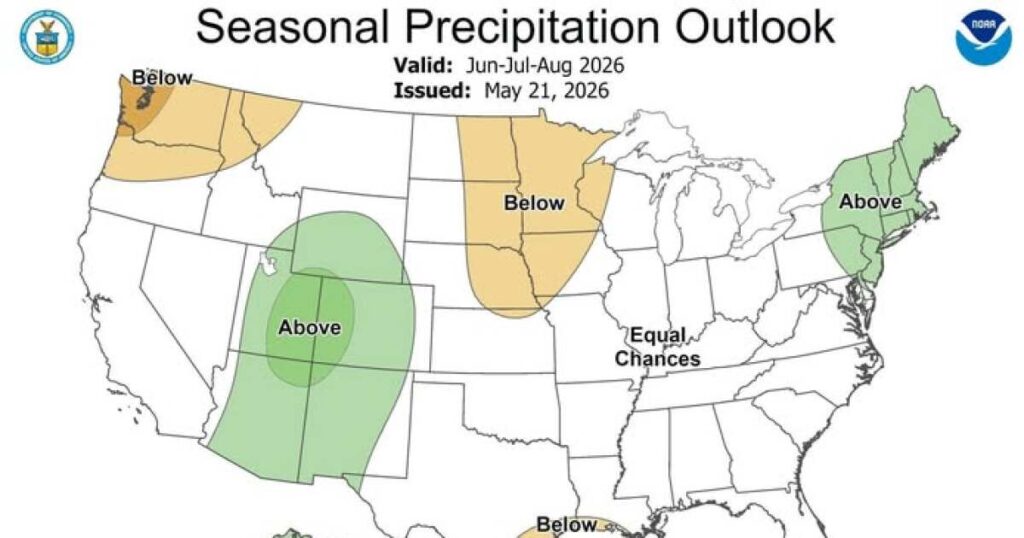
Residents of metro Phoenix may find some respite from the sweltering heat as the National Oceanic Atmospheric Administration (NOAA) forecasts an above-average rainfall for the upcoming monsoon season, which stretches from June 15 to September 30.
The weather prediction comes after Phoenix experienced a record-breaking wet fall last year, accumulating 6.31 inches of rain. However, the subsequent winter and spring seasons were notably hot and dry, increasing the risk of wildfires due to the abundance of dry vegetation. Currently, fire restrictions are in place on all state trust and federal lands, except in southern and southeastern Arizona.
The Climate Prediction Center of NOAA anticipates the development of a strong El Niño climate pattern in the Pacific Ocean, which could bring much-needed moisture to Arizona, particularly in the latter part of the monsoon season. Gabriel Lojero, a meteorologist from the National Weather Service in Phoenix, explains, “A lot of that moisture from those tropical cyclones that develop off of the eastern tropical Pacific may move into our neck of the woods, especially as we head towards the latter end of the monsoon season, so from, you know, August and September timeframe.”
According to Lojero, while dry thunderstorms pose a wildfire threat in June and July, increased moisture from the Gulf of California could diminish fire risks by August. Moreover, the anticipated El Niño-driven storms might offer temporary relief from the persistent extreme heat experienced over the past years.
Lojero further adds, “So a more active monsoon season means we’ll have more days where there’s going to be higher chances for thunderstorm activity to materialize and thus more cloud cover, more rainfall. That will help mitigate, somewhat, any sort of extreme heat that may try to materialize.”
—
Read More Arizona News