Stay up to date with our Politics newsletter, sent weekly.
The upcoming midterm elections are seeing an unprecedented influx of funds from organizations linked to the artificial intelligence sector. This financial push aims to influence the future of AI legislation. Despite growing public unease about AI’s impact on jobs, energy costs, and society, AI-focused super PACs have already funneled $43.3 million into congressional races, as reported by OpenSecrets, a nonprofit that tracks campaign finances.
There is a bipartisan agreement in Congress on the need for more comprehensive AI regulations, but progress in federal legislation has been sluggish. The extensive financial efforts by AI groups illustrate the complex dynamics within Silicon Valley’s political landscape and the various visions for AI’s future.
“This type of spending really helps shape who is at the table and what perspectives they are bringing into those conversations when new legislation is crafted,” said Michael Beckel, director of money in politics reform at Issue One.
The Central Park Showdown
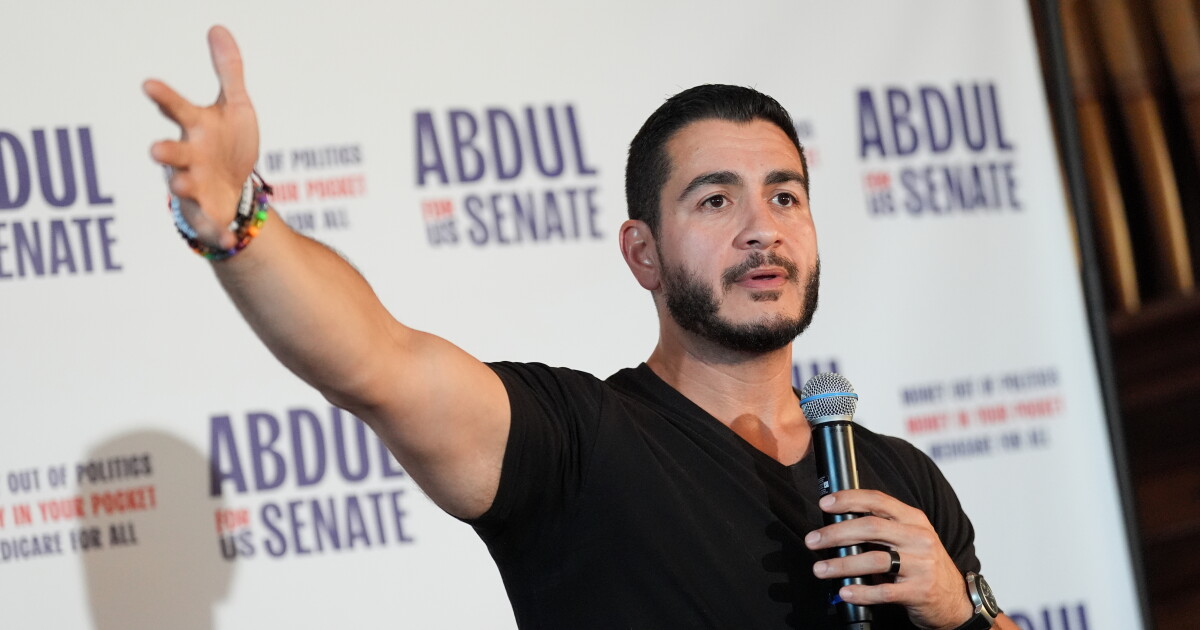
A significant test of AI’s influence will be a congressional primary in New York City, where over $15 million in AI-backed spending targets Alex Bores, a former Palantir employee advocating for stronger AI regulation.
Bores, known for co-sponsoring New York’s Responsible AI Safety and Education Act, is part of a heated primary race to replace retiring Rep. Jerry Nadler. The race has become emblematic of the broader battle over AI regulation at the federal level.
Super PACs linked to OpenAI’s investors have launched aggressive campaigns against Bores, criticizing laws like the RAISE Act for potentially creating “a chaotic patchwork of state rules that would crush innovation.” Meanwhile, Anthropic, an AI company advocating for more regulation, supports counter-PACs with substantial funding.
Funding Battles Among Corporate Rivals
The primary contest involving Bores highlights the internal rivalries within the AI industry that are spilling into politics. OpenAI and Anthropic, both eyeing major IPOs, are clashing over AI’s future and regulation. OpenAI-aligned groups, like Leading the Future, argue for a national approach to AI standards to prevent China from gaining AI dominance.
Leading the Future has raised over $75 million and spent $23.5 million on various races across the country through super PAC networks. Opposing them, Anthropic supports Public First Action, which advocates for maintaining state-level progress on AI regulation without federal interference.
AI Spending Sends a Broader Message
Beyond OpenAI and Anthropic, other tech giants like Meta and Google are also investing in super PACs to influence AI policy in states like Texas and California. Billionaire Chris Larsen has also funded efforts to support Bores in New York.
This trend marks a shift from past political involvement by tech companies, which primarily came through individual executive donations and corporate PACs. According to Katie Harbath, founder of Anchor Change, this cycle tests the effectiveness of significant financial contributions in swaying political races to align with corporate interests.
Molly White, an independent tech industry researcher, notes that the AI industry’s financial muscle-flexing is more about sending a message to other potential candidates than any single race outcome.
Stalled AI Regulation in Congress
Despite the clout of AI companies, federal progress on AI legislation remains stagnant. While there is bipartisan support for addressing AI’s transformative impact, lawmakers have yet to outline concrete standards or regulations.
Adam Kovacevich of the Chamber of Progress notes that while there’s interest in federal AI standards, little momentum exists for drafting such legislation before the midterms. Nicole Alvarez of the Center for American Progress emphasizes that the real debate lies in determining AI governance.
Looking Ahead
AI-related spending is anticipated to continue, with firms heavily investing in lobbying efforts. In 2025, major players like OpenAI, Meta, and Google spent a combined $50.9 million lobbying Congress. With lobbying expenditures expected to rise, the outcome of upcoming elections will significantly influence future AI policy.
Continued public skepticism about AI underscores the importance of involving citizens in policy discussions. Alvarez warns that excluding the public from these conversations could hinder AI’s acceptance in daily life.
Copyright 2026 NPR
—
Read More Michigan News