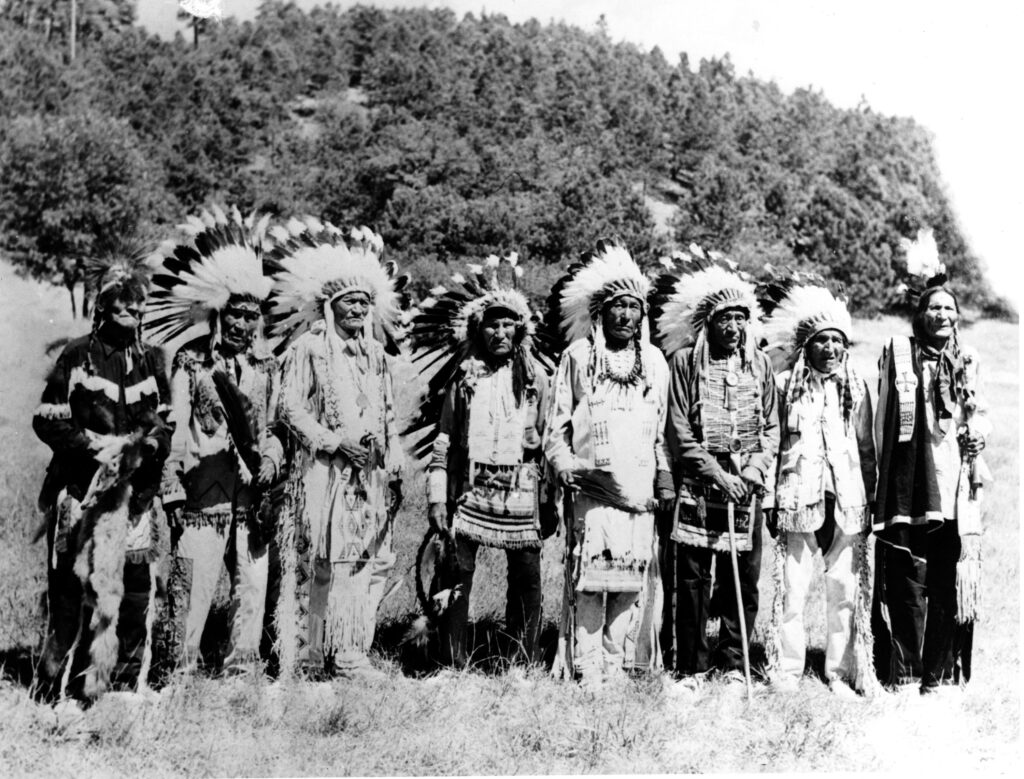
This Thursday marks 150 years since Lt. Col. George Armstrong Custer’s defeat at the Battle of Little Bighorn. On June 25, 1876, thousands of Lakota, Cheyenne, and Arapaho united in southeastern Montana to fend off Custer’s 7th Cavalry, securing a significant victory against U.S. expansion. The event, pivotal in Native American history, is commemorated annually as a celebration of resilience.
More than 10,000 people are expected to gather at the Little Bighorn National Monument this week. “Our people, our nations came together,” remarked Cheyenne River Sioux Tribe Chairman Ryman Lebeau. The battle, known to Indigenous people as the Battle of Greasy Grass, saw over 8,000 warriors face the U.S. troops.
The area had long been sacred ground for ceremonies and trade, as highlighted by Mark Van Norman, senior counsel for the Great Plains Tribal Chairmen’s Association. Despite the 1868 Ft. Laramie Treaty meant to protect these lands, the presence of the army was driven by gold discovered in the Black Hills in 1874. Custer, eyeing political ambitions, sought to advance his standing by publicizing the discovery.
President Ulysses S. Grant, faced with rising settler interest, decided on a military response. He orchestrated an attack involving three armies, including Custer’s, who arrived early, eager for glory. The Indigenous forces, however, were ready and defeated all the soldiers, leading to Custer’s men’s demise.
Celebrations for the 150th anniversary feature relays by Indigenous youth, motorcycle gatherings, and numerous horses, reflecting Plains culture. Events include a reenactment and ceremonies throughout the week. Attendees are advised to prepare for the elements and expect various tribally organized activities.
Over 19 tribes have contributed to the planning. Victory Day on June 25 will see events led by Indigenous leaders, with Chief Looking Horse offering an opening prayer. The battle holds historical significance, symbolizing Native resilience and a critical moment in U.S. history as it coincided with the nation’s centennial.
Harvard professor Phil Deloria noted the battle’s impact during America’s 100th birthday, highlighting its historical significance. “It’s a kind of an amazing moment of Native intrusion into the celebrations of the American Revolution,” he said.
—
Read More Montana News