The U.S. is witnessing a significant milestone in nuclear innovation as President Trump’s goal to establish three experimental nuclear reactors by July 4, 2026, has spurred swift advancements. This initiative has energized the nuclear sector, leading to rapid developments in reactor technology.
Following the president’s executive order, the Department of Energy kicked off the Reactor Pilot Program. This program aims to expedite the creation of test reactors by significantly reducing regulatory hurdles.
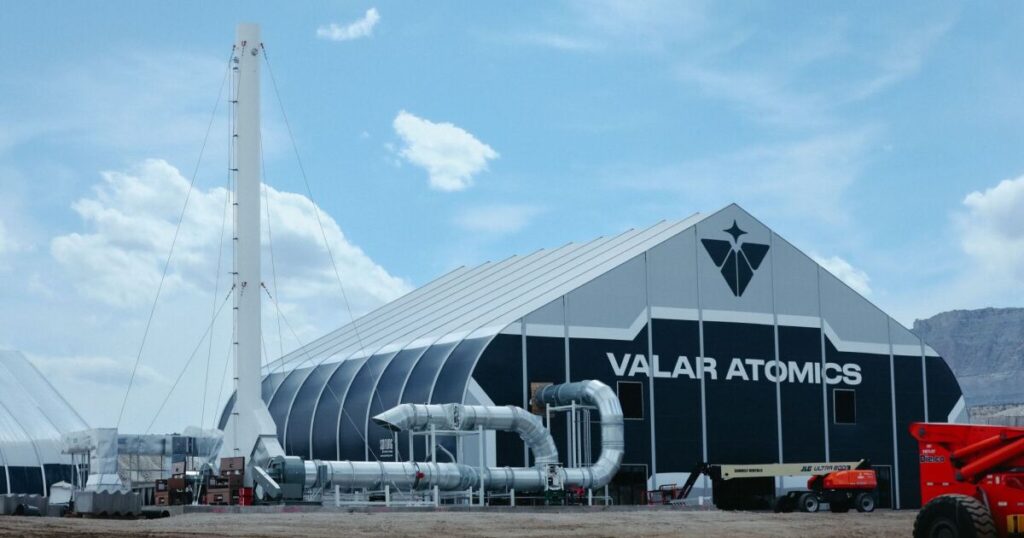
With the deadline nearing, two firms have already achieved “criticality,” meaning their reactors are operational. Antares Nuclear achieved this milestone on June 4, while Valar Atomics reached it by June 18. Valar’s reactor, located in Utah, is already producing tens of kilowatts of heat.
Nick Touran, chief nuclear officer at Ocean Atomics, expressed optimism about the program’s potential to invigorate the U.S. nuclear industry. “We haven’t done anything this fast, basically ever,” he remarked, highlighting the unprecedented speed of these developments. Ocean Atomics itself is not part of this initiative but is monitoring it closely.
“I’m just excited that we’re now actually building these little reactors and trying it out and we’re going to look at what the economic story is and find out if there’s a market,” Touran added, emphasizing the progress made compared to years of discussions.
Safety Controversies
While the rapid pace of development is seen positively by some, it has raised concerns for others. Edwin Lyman from the Union of Concerned Scientists criticized the initiative as a “public relations” exercise, cautioning that deregulation could undermine long-established safety practices.
“This is taking us back to the 1950s, and that is not progress,” Lyman commented, stressing the risks of bypassing critical regulatory reviews.
Advancements in Reactor Technology
At the Idaho National Laboratory, companies are making strides in reactor construction. Radiant, among others, is developing compact reactors suitable for diverse applications. The company’s chief nuclear officer, Rita Baranwal, described their reactor as being assembled in a secure facility known as the DOME.
Radiant’s reactor, which utilizes small uranium-filled fuel balls, draws inspiration from “gobstoppers,” according to Baranwal. This design allows the reactor to operate at higher temperatures while minimizing meltdown risks. The company plans to mass-produce these smaller, mobile reactors at a rate of 50 annually. This marks a significant departure from the existing fleet of 96 reactors in the U.S.
However, the rapid development comes with a trade-off. The Department of Energy’s relaxed regulations, aimed at expediting reactor approvals, have sparked worries about potential safety and environmental implications. Critics argue that the lack of public consultation and exemption from environmental reviews could lead to inadequate oversight.
“Yes, of course, if you bend all the rules, you can do things quickly,” Lyman remarked, pointing out that the test reactors’ success should not be mistaken for reliable, safe nuclear power production.
Copyright 2026 NPR
—
Read More Michigan News