July 1 marks the launch of Montana’s work requirements for some Medicaid enrollees, making it among the first states to adopt new federally mandated rules for low-income health coverage. Last year, Congress passed H.R. 1, a budget bill mandating 80 hours of community engagement monthly for many Medicaid participants. While states have until January 2027 to implement changes, Montana plans an early start in 2026, joining three other states.
Medicaid eligibility, traditionally based on income, now requires proof of employment, volunteering, education, or apprenticeships. From July to October, Montana enrollees are exempt from penalties for not documenting engagement hours. Noncompliance will result in notifications from the state Department of Public Health and Human Services (DPHHS) and possible removal from Medicaid rolls after 30 days.
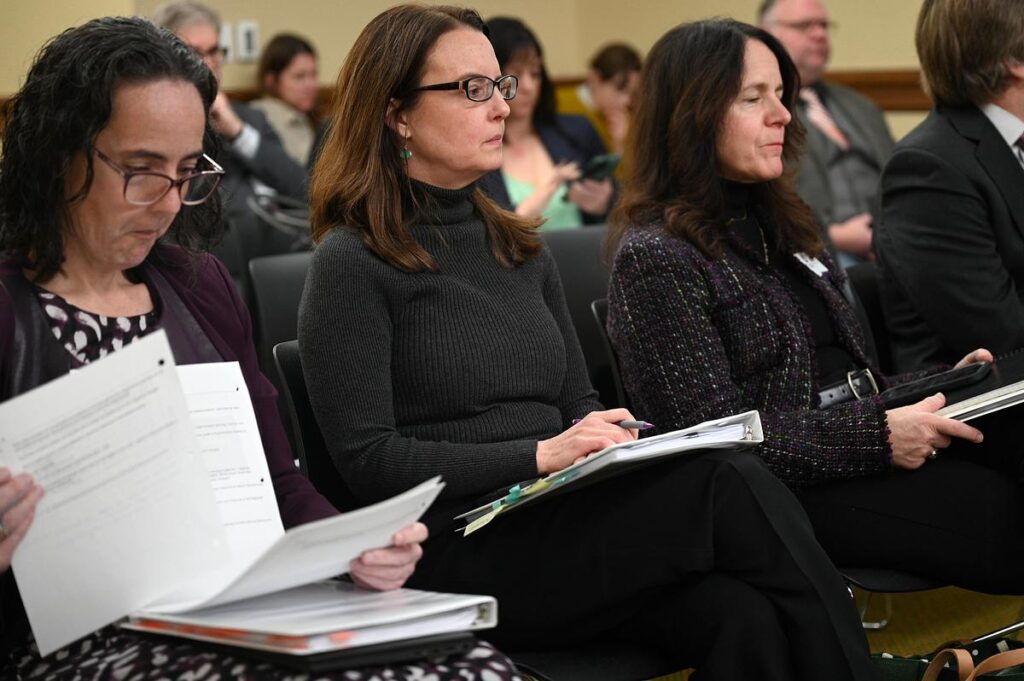
Health care advocates are highlighting system gaps as the launch date approaches. At a June 22 budget meeting, DPHHS officials admitted staffing shortages and lack of access to medical claims data to verify exemptions. A list of qualifying diagnoses was released right before the program’s launch. Despite these challenges, the Gianforte administration’s health department claims readiness and plans to utilize the grace period to resolve issues.
According to a 2025 report, 72% of Medicaid expansion enrollees are already working, with 4% in school. However, experts warn the true impact of the new requirements may be significant disenrollment due to the cumbersome paperwork, not ineligibility. Dr. Aaron Wernham, CEO of the Montana Healthcare Foundation, emphasized the difficulty for medically ill individuals to complete necessary documentation, despite needing healthcare coverage the most.
DPHHS intends to assess exemptions for groups like American Indians, caregivers, and those with medical hardships. The exemption for “medically frail” individuals, those unable to work due to illness, remains a point of contention. A federal rules package notes exemptions depend on illness severity. The state plans to audit cases based on attestations from enrollees regarding their inability to work due to medical conditions.
The implementation challenges in Montana are compounded by existing issues like processing delays and high call abandonment rates. DPHHS plans to hire additional staff for the rollout, estimated to cost $4.3 million annually. However, concerns remain about the state’s capacity to handle increased workloads efficiently. Rep. Mary Caferro and other lawmakers have questioned why the department insists on an early start without federal guidance, suggesting potential extensions to the grace period if problems persist.
Other states like Arkansas, Iowa, and Nebraska are also adopting early work requirements, with varying strategies on enforcement and penalties. The previous attempt to enforce such rules in Arkansas led to thousands losing coverage without increasing employment rates. As Montana proceeds, the effectiveness of these measures will be closely monitored by stakeholders and policymakers.
—
Read More Montana News

![Botched Ad Mix-Up: Super PAC Error in Arizona Congressional Race[embed]https://www.youtube.com/watch?v=bEMgIlCkHz0[/embed]](https://www.kitchentablenews.org/wp-content/uploads/2026/10/Botched-Ad-Mix-Up-Super-PAC-Error-in-Arizona-Congressional-RaceembedhttpswwwyoutubecomwatchvbEMgIlCkHz0embed.com2F0e2F962Fe971102f49e7a4f2a64fd3cc60a22Fjonatha.png "Botched Ad Mix-Up: Super PAC Error in Arizona Congressional Race[embed]https://www.youtube.com/watch?v=bEMgIlCkHz0[/embed]")