Strategic Housing Development: A Boon for Wildlife Movement
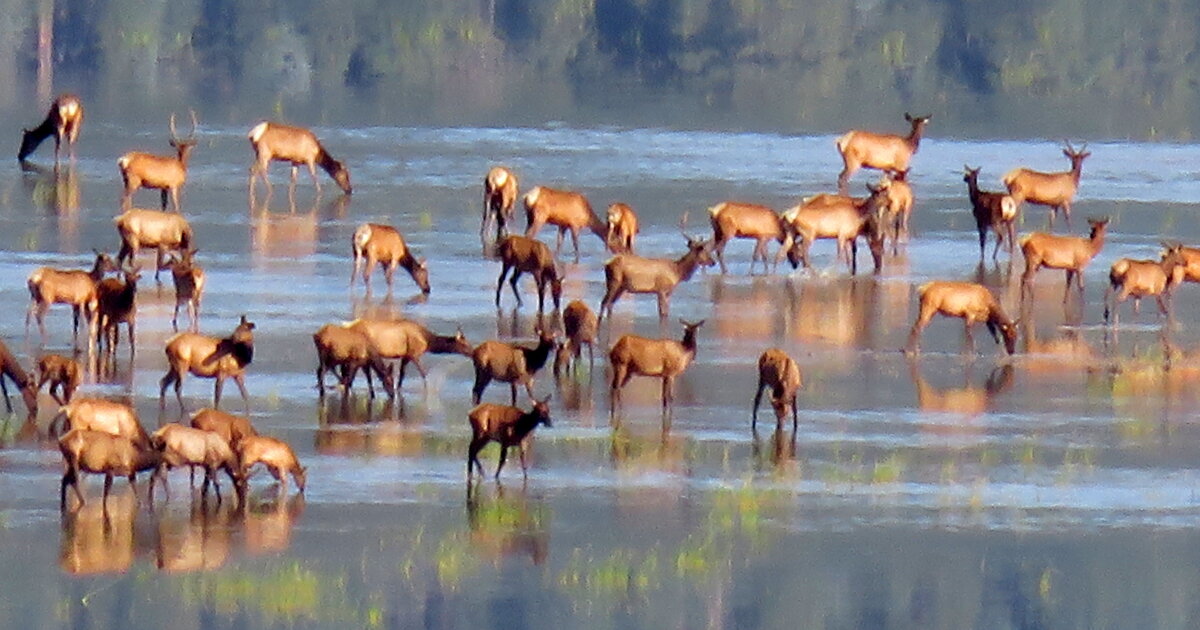
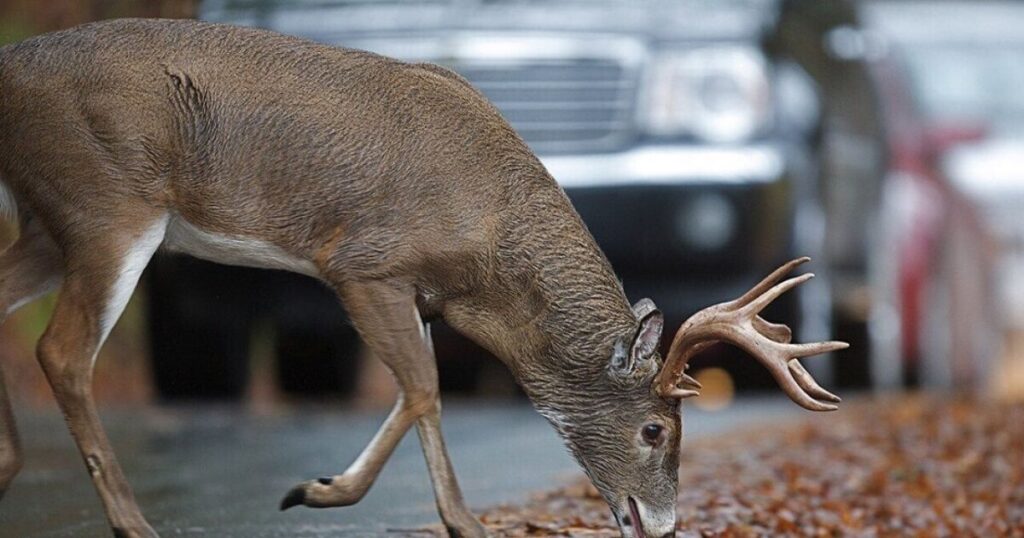
In the expansive rangelands where elk, mule deer, and pronghorn roam, the encroachment of residential development poses a significant threat to their natural movement. The need for open spaces is vital for these large grazing animals, and understanding how to minimize habitat disruption is crucial.
Researchers at the University of Wyoming have developed a method to address these concerns by analyzing the spatial arrangement of houses and their impact on wildlife. By calculating the minimum distance between adjacent structures and correlating these measurements with the movement patterns of mule deer, elk, and pronghorn, they have identified a key factor: the gap width between houses plays a critical role in animal passage.
When residential buildings are too closely packed, animals perceive these narrow gaps as barriers akin to natural topography, effectively creating bottlenecks that they tend to avoid. This phenomenon results in indirect habitat loss that often surpasses the direct impact of the buildings’ footprints.
The avoidance distance varies by species and habitat, with some animals steering clear of gaps up to two miles wide, while others may traverse corridors as narrow as a quarter of a mile. To aid developers in making informed decisions, researchers have introduced a public width calculator, designed to plan housing in a manner that supports animal movement.
One suggested strategy is to position houses strategically within parcels rather than centrally. This adjustment can enhance the critical width, allowing it to increase from a quarter of a mile to nearly two-thirds of a mile. Such planning enables animals to maintain access between houses, facilitating their seasonal migrations and continued use of adjacent undeveloped habitats.
This article is informed by research from the University of Wyoming and was produced by KNAU and the Sustainable Communities Program at Northern Arizona University.
—
Read More Arizona News