Historic Lows at Lake Mead Signal Growing Water Crisis in the West
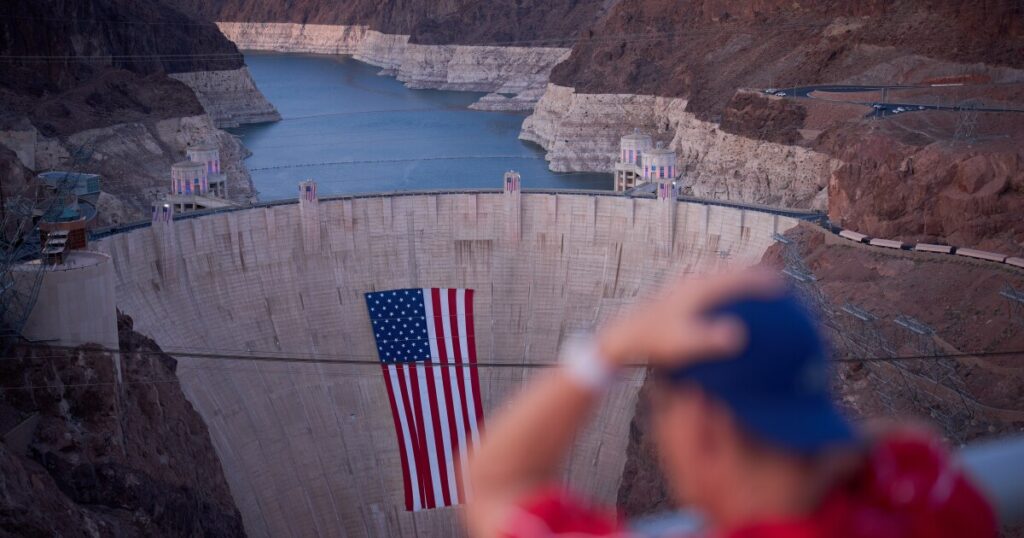
Lake Mead, a key component of the Colorado River system, has reached a historic low, marking a critical point for water management in the western United States. As the largest reservoir in the nation, its significant drop is a pressing concern for the millions who depend on its waters.
This past Friday, the water level at Lake Mead, situated on the Arizona-Nevada border near Las Vegas, fell to 1,040.4 feet above sea level. This figure, recorded by federal data, is slightly under the previous record set in July 2022, as noted by the U.S. Bureau of Reclamation.
“It’s extremely significant and extremely concerning. You have three-quarters of the population of the Colorado River Basin, some 30 million people, who are directly impacted by risks to Lake Mead,” expressed J.B. Hamby, chairman of the Colorado River Board of California and a member of the Imperial Irrigation District.
Hamby emphasized the necessity for states that draw from the Colorado River to reduce water consumption. The region is suffering from prolonged drought and dry conditions, particularly severe at the river’s source in the Rocky Mountains.
The Colorado River, crucially fed by melting snow, experienced its worst snowpack on record this past winter, according to a report. This exacerbates challenges for agriculture, industry, wildlife, and hydropower generation, affecting 40 million people across seven U.S. states, tribal nations, and Mexico.
The situation at Lake Mead and Lake Powell, the second-largest reservoir in the country, reflects a broader trend. Both reservoirs are at their lowest in nearly seventy years due to overuse, drought, and rising temperatures.
In efforts to manage the dwindling resources and protect hydropower generation, federal authorities have decided against releasing cool water from Lake Powell’s Glen Canyon Dam, a move aimed at preserving the habitat of the humpback chub, a native fish species.
After states reliant on the Colorado River failed to agree on a long-term water-sharing strategy, federal officials recently suggested a short-term plan. This proposal suggests that Lower Basin states—Arizona, California, and Nevada—take reduced water allocations. The Bureau of Reclamation’s plan is adaptive, allowing deeper cuts during drier periods while giving states time to negotiate resource management.
The Interior Department announced imminent changes to water-sharing arrangements, hinting at substantial cuts especially affecting areas like Phoenix and central Arizona.
Recent drought conditions, as reported in 2022, have had profound impacts on Lake Mead. The dropping levels exposed human remains and forced Las Vegas to tap deeper water sources to maintain supply.
Lake Powell’s drastic level drops have complicated access, necessitating adjustments to boat ramps and infrastructure.
Across the West, the Bureau of Reclamation tracks 54 reservoirs, with nine recently hitting their lowest points in three decades, as seen on their dashboard.
Projections indicate further declines for Lake Mead through the end of the year, underscoring the urgency of addressing this critical water crisis.
Associated Press writer Michael Phillis in Washington contributed.
—
Read More Arizona News