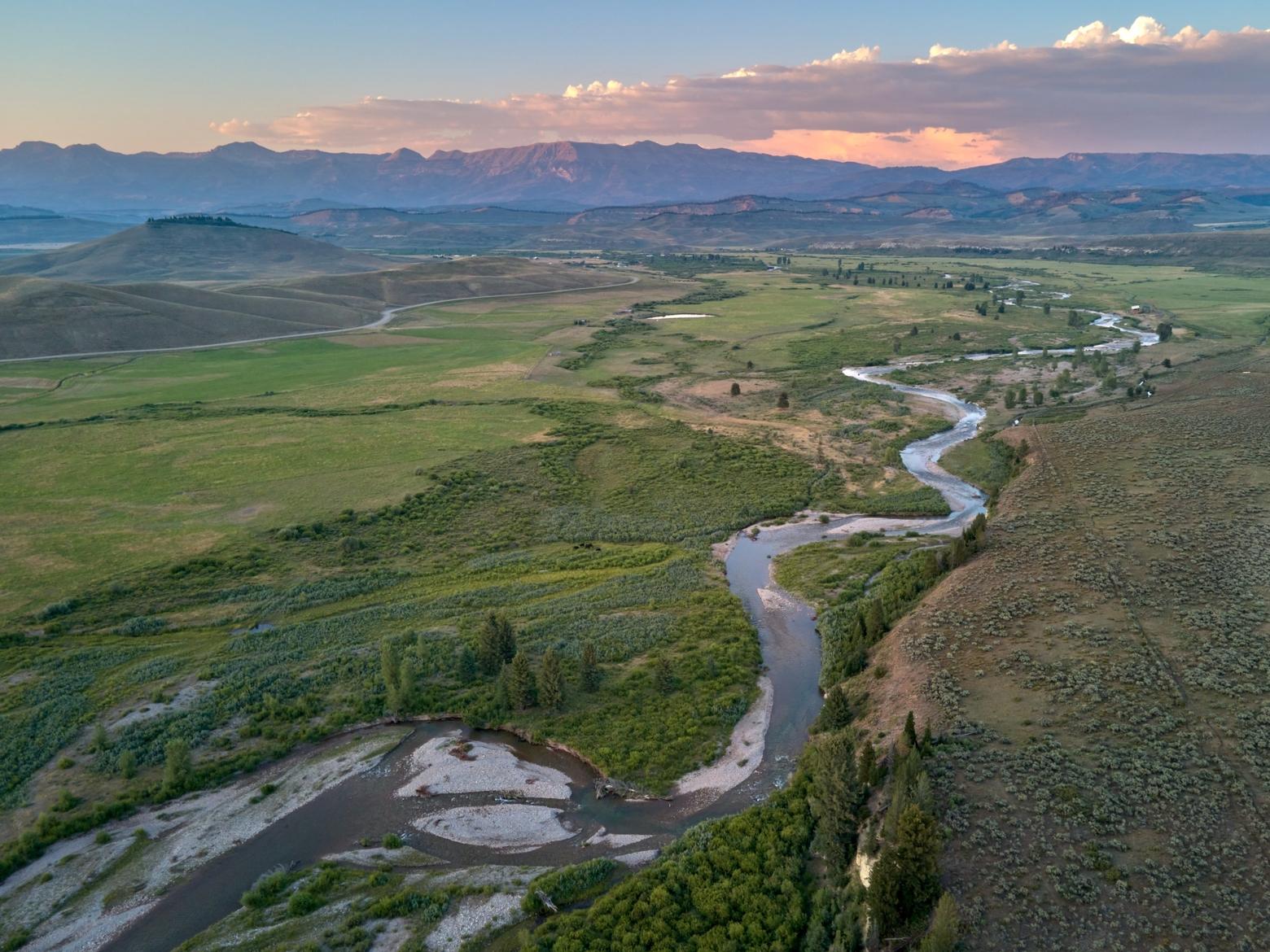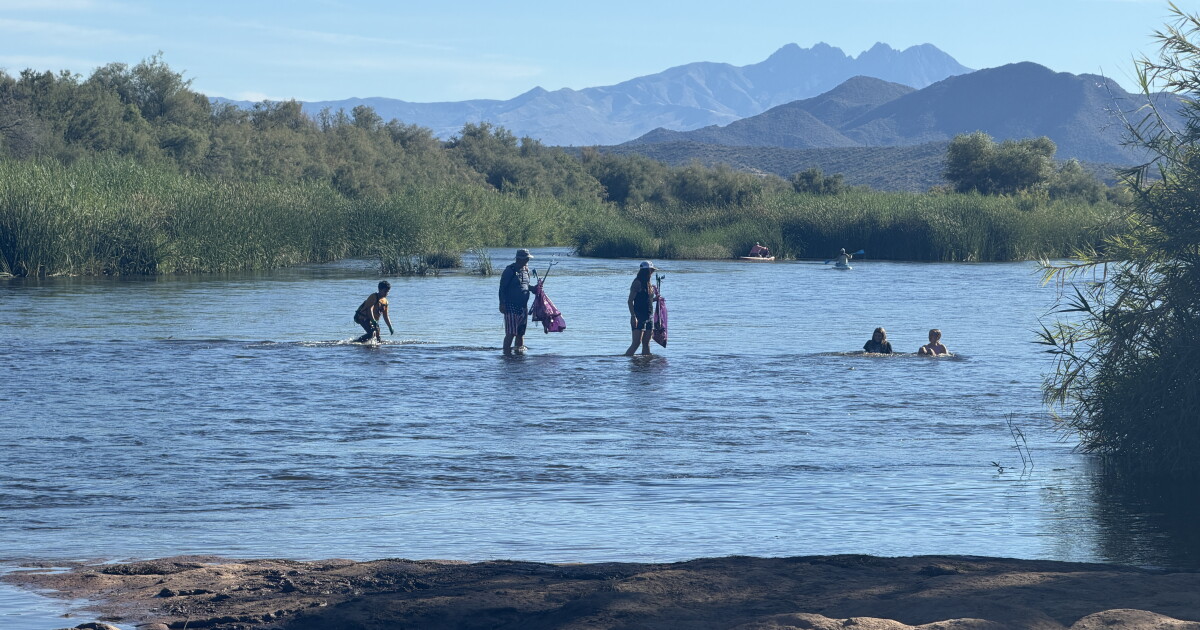
As climate change continues to impact our environment, a recent study suggests a worrying trend for western U.S. rivers like the San Juan and Colorado. These rivers, fed by mountain streams and snowmelt, are experiencing a decline in base flow, crucial for maintaining water levels during dry spells.
A study published on June 5 in the journal Earth’s Future highlights a significant decrease in the base flow of these streams and rivers since 1950. This base flow, primarily sourced from groundwater, is essential for the sustainability of waterways, especially during droughts.
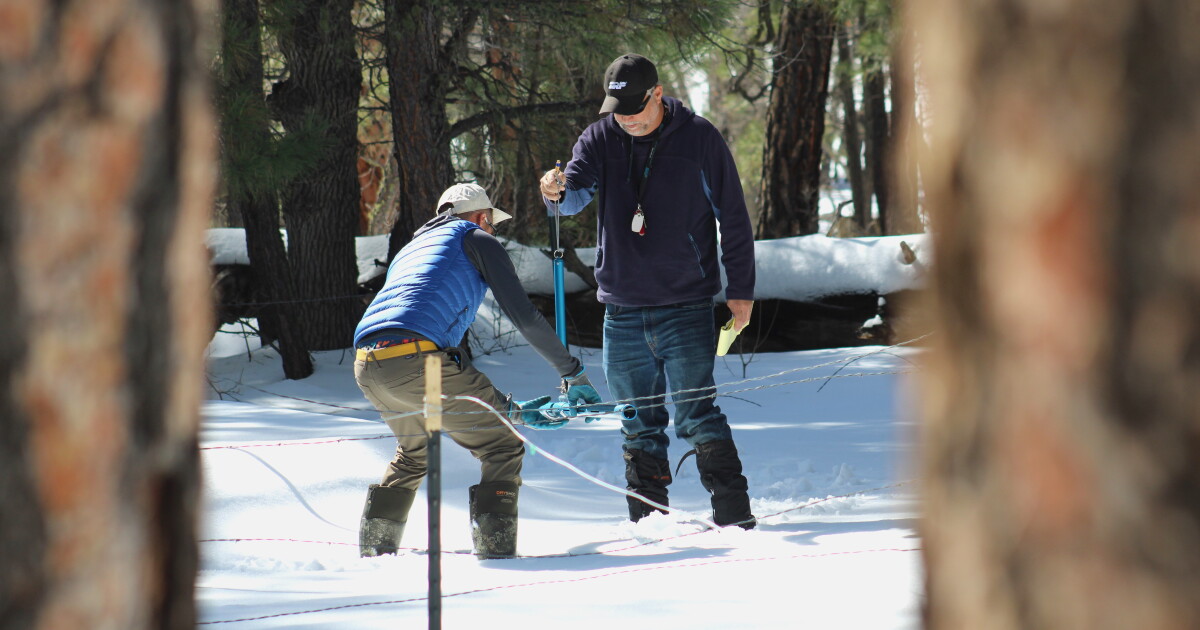
Caelum Mroczek, the study’s lead author and a research affiliate at Northern Arizona University, explains the implications: “So things like the Colorado, of course, things that are affecting its headwaters are going to have a cascading effect. It’s going to have a compounding effect as you go downstream, and so seeing how these things change has a massive impact on regional water supply.”
The study warns that if current climate warming trends persist, headwater streams could face a reduction in base flow by 45% to 65% by the century’s end. This comes at a time when the Colorado River Basin is already experiencing 26 years of aridification, and water levels in Lake Mead have hit unprecedented lows.
Tiny streams such as Flagstaff’s Rio de Flag play a critical role in feeding larger rivers, relying on base flow for their sustenance. Mroczek emphasizes the importance of these flows, noting their shift to earlier in the year—from summer to early spring or even late winter—posing potential mismatches between water supply and demand.
Mroczek’s research employed a machine learning model to explore various climate scenarios. One scenario assumes a “middle of the road” approach where fossil fuel usage remains steady. This could lead to a 45% reduction in annual base flow, affecting families dependent on this water supply. A more extreme climate scenario could exacerbate these reductions even further.
Although the study presents a grim outlook, Mroczek suggests there is still time to avert these outcomes. However, should the predictions hold, the arid Southwest may face significantly reduced river water levels.
For further details, refer to the full study here. Additionally, insights on the new Colorado River management plan can be found here, and information on Lake Mead’s record low levels is available here.
—
Read More Arizona News