Arizona Lawmaker Pushes to Keep Tucson Health Facility Open Amid Planned Closure
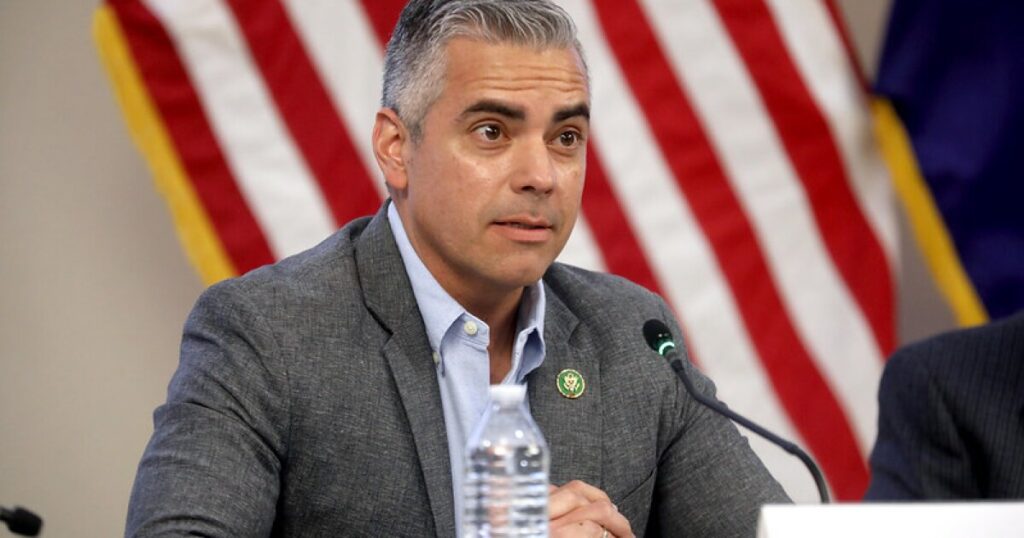
In an ongoing effort to maintain essential healthcare services for tribal communities, Congressman Juan Ciscomani of Southern Arizona has urged the Trump administration to reconsider its decision to close a critical medical facility in Tucson. This facility, operated by the Indian Health Service, serves a significant number of tribal members in the region.
The Tucson Area Office of the Indian Health Service currently provides healthcare to over 28,000 members of the Pascua Yaqui, Tohono O’odham Nation, and other tribes. However, the U.S. Department of Health and Human Services (HHS) has announced plans to close this facility as part of a strategic realignment, integrating its operations with those in Phoenix. More details on this decision can be found in the realignment plan document.
In a letter dated August 10, addressed to Health and Human Services Secretary Robert Kennedy Jr., Congressman Ciscomani expressed concerns that shuttering the Tucson facility would necessitate longer travel distances for patients seeking medical care. This letter follows similar appeals from Arizona Democrats, who have been advocating against the closure since it was first proposed in June. The full text of the letter can be accessed here.
Beyond the immediate implications for healthcare access, broader collaborative efforts are underway to address economic vulnerabilities. A six-page Memorandum of Understanding (MOU) outlines a framework for cooperation between the Navajo Nation, Hopi Tribe, and the state of Arizona to navigate potential impacts from the closure of coal mines and generating stations.
While the realignment plan progresses, tribal leadership has clarified that non-members, including employees, guests, travelers on public roadways, and vendors associated with the Tohono O’odham Gaming Enterprise, can continue their activities without restrictions. The situation remains dynamic as stakeholders from various sectors engage in dialogue to address these changes.
The call to preserve the Tucson facility underscores a broader narrative of maintaining healthcare accessibility for tribal communities amidst administrative and operational shifts in government services.
—
Read More Arizona News