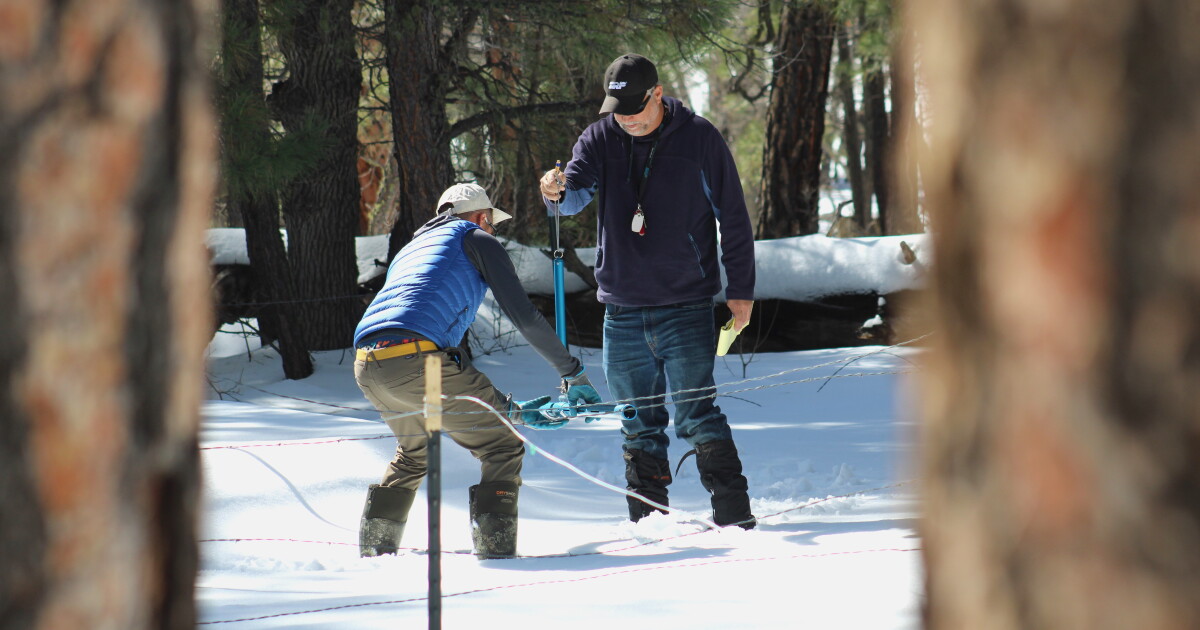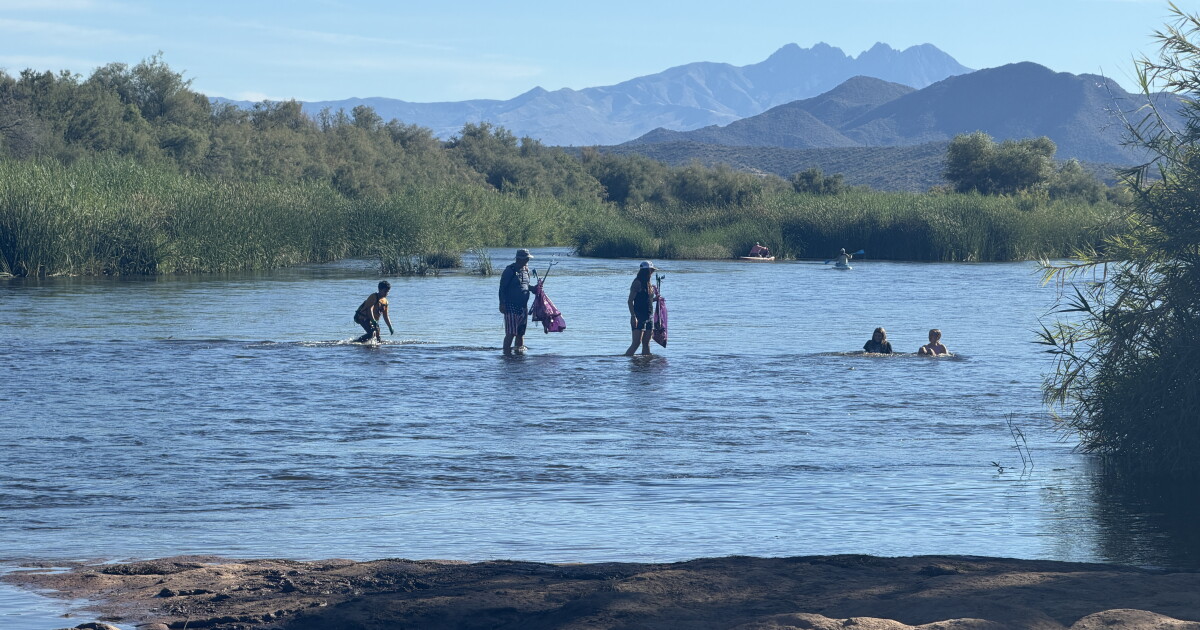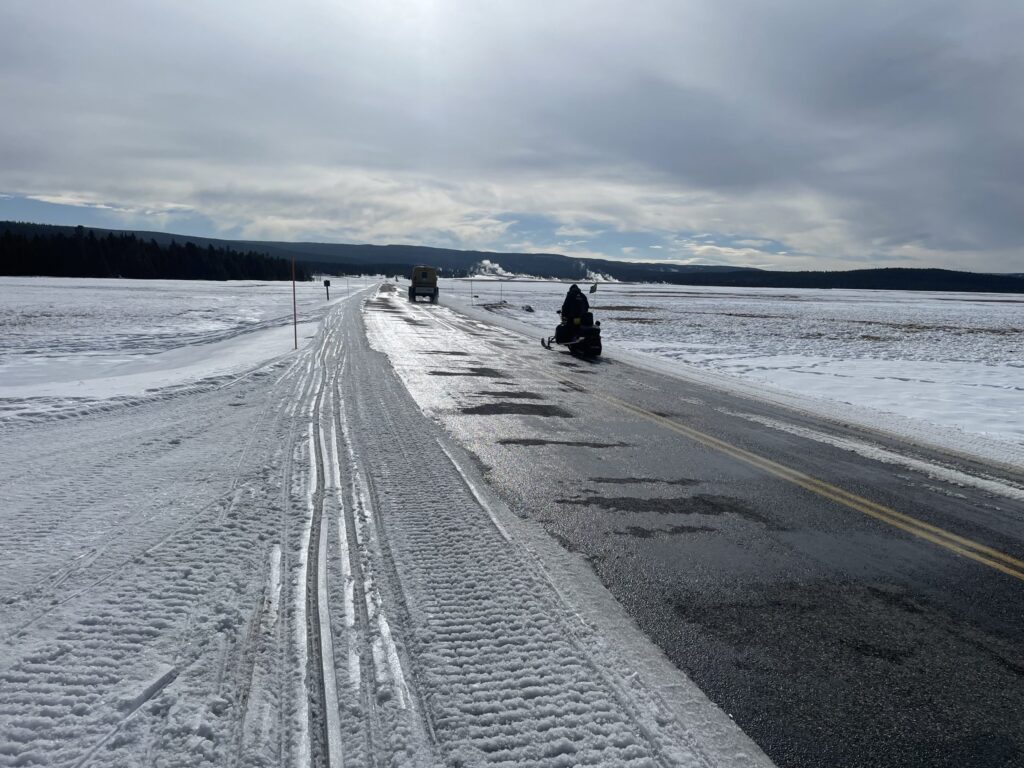
Bare ground bordered ski runs, December saw rain, and flower beds stayed active as snow plows went unused across Greater Yellowstone and the West last winter. Marianne Cowherd, a snow scientist from Montana State University, faced repeated questions from the public on whether climate change was to blame. “People around me would ask if the snow was so bad because of climate change, and I would find myself having to answer, ‘Probably?’” Cowherd noted.
Similar concerns arose among researchers in Colorado and Wyoming, prompting a collaborative investigation. By March and April, they decided to formally analyze if climate change was the cause. Their study, published in the Proceedings of the National Academy of Sciences, confirmed human-caused climate change significantly increased the likelihood of this year’s snow drought in the West.
“It’s not something that we would expect to happen in the way that it did if there were no climate change occurring.”
Marianne Cowherd, snow scientist, Montana State University
Burning fossil fuels like coal and oil contributes to greenhouse gases that trap heat, resulting in global warming. Carbon dioxide and methane are the primary drivers of this warmth. Observations since 1958 show a steady increase in atmospheric carbon dioxide. This warming trend exacerbates drought, reduces snowfall, causes early spring runoff, and extends wildfire seasons. In ecosystems such as Greater Yellowstone, warming impacts wildlife such as wolverines and affects the timing of spring growth critical for species like elk.
Cowherd emphasized the extreme snow drought was even more likely in severely affected areas like the Upper Colorado River Basin, where climate change increased the event’s likelihood by 14 times. Researchers utilized a high-resolution dataset from the National Center for Atmospheric Research, comparing current conditions to preindustrial times before significant human emissions. They developed models to predict snow drought occurrences at an alarming frequency in today’s climate.
Events like this snow drought hold significance due to snow’s role in replenishing water resources in the arid Mountain West. Cowherd hopes land managers use this research to adapt to existing warming. She offers a hopeful perspective, stating, “This is a negative impact of anthropogenic climate change, and that is difficult to hear, difficult to learn, but it also means that it’s within our control to a certain degree.” Proactive measures can reduce the frequency of such events under lower emission scenarios.
—
Read More Montana News