The Rising Concerns Over License Plate Reader Cameras in Michigan Communities
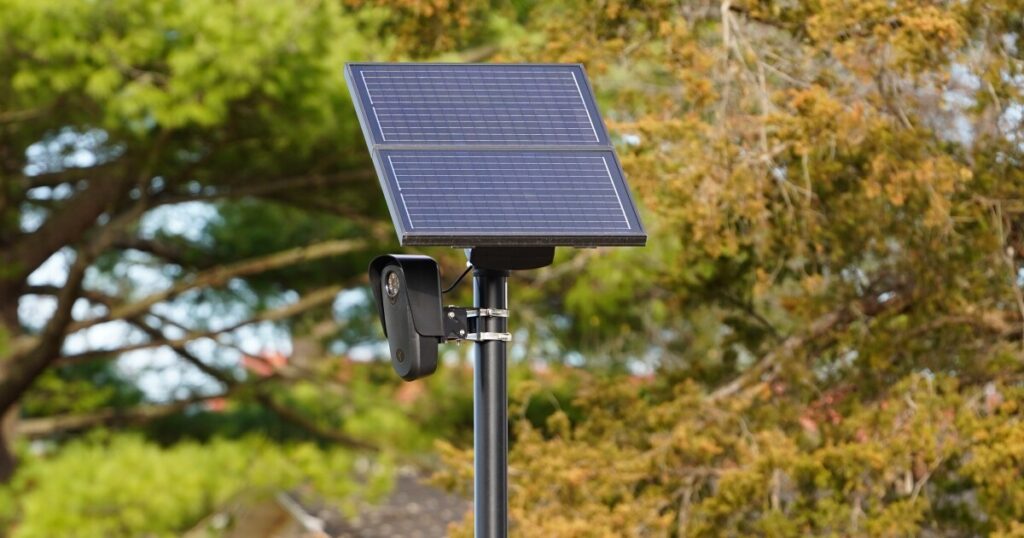
Several Michigan communities are reevaluating their partnerships with Flock Safety, a company providing automated license plate reader (ALPR) cameras. Sumpter Township, located in southwest Wayne County, is the latest to end its trial with Flock. The decision, influenced by public feedback, was shared on the township police department’s Facebook page. The department highlighted the significance of local needs and resident welfare in their decision-making process.
“While the national debate over technology in policing—ranging from ALPRs to drones—has sparked passionate views, our focus remains local,” the statement read. “Our approach is always centered on the unique needs of Sumpter Township’s 36 square miles and, most importantly, on the well-being of our residents.”
Sumpter Township is not alone in this move. Other metro Detroit communities like Clawson, Ferndale, Westland, and Milford have also terminated their agreements. The trend extends beyond the metro area, with communities like Oceana County, Menominee, and Dickinson County taking similar actions.
This wave of contract cancellations is part of a wider discussion about surveillance technology, fueled by allegations of misuse and privacy concerns. In response, Michigan lawmakers from various political backgrounds have been advocating for stricter regulations on these cameras.
Dawud Walid, leader of the Michigan chapter of the Council on American-Islamic Relations, has been vocal about the potential misuse of ALPR technology in over-surveilling minority communities. Walid emphasized the historical context of law enforcement’s interactions with communities of color, stating, “Policing in the United States of America has colorblind policies but has never been instituted in a colorblind fashion.” He supports the community’s active role in voicing their concerns, asserting, “Citizens still have a voice here in our state and in our county.”
Despite these concerns, proponents argue that license plate reader cameras are essential for tracking stolen vehicles and aiding criminal investigations, provided they are regulated sensibly. Currently, over 100 law enforcement agencies in Michigan utilize this technology.
In Westland, a Detroit suburb, the decision to end the Flock contract was met with mixed reactions. Melissa Sampey from the Westland City Council highlighted the divided opinion regarding the renewal of their contract, which involved 29 cameras. “The common theme is that people don’t feel like they have a sense of privacy,” Sampey noted. Ultimately, Police Chief Kyle Dawley chose not to pursue renewal, leading to the gradual removal of the cameras.
In response to growing concerns, Flock Safety recently revised its policies, shortening the default data retention period from 30 days to 7 days and introducing measures to detect suspicious database usage. However, the company did not provide a comment on the recent contract terminations.
—
Read More Michigan News

![Botched Ad Mix-Up: Super PAC Error in Arizona Congressional Race[embed]https://www.youtube.com/watch?v=bEMgIlCkHz0[/embed]](https://www.kitchentablenews.org/wp-content/uploads/2026/10/Botched-Ad-Mix-Up-Super-PAC-Error-in-Arizona-Congressional-RaceembedhttpswwwyoutubecomwatchvbEMgIlCkHz0embed.com2F0e2F962Fe971102f49e7a4f2a64fd3cc60a22Fjonatha.png "Botched Ad Mix-Up: Super PAC Error in Arizona Congressional Race[embed]https://www.youtube.com/watch?v=bEMgIlCkHz0[/embed]")