Lee la versión en español de este artículo. Copublished with Outlier Media.
On a routine traffic stop in Taylor, Michigan, Officer Ryan Jowske encountered two individuals from Colombia, marking the beginning of a series of events that would separate families and lead to deportations. The incident, sparked by a simple vehicle tint violation, highlights a growing trend in Michigan where local police actions, often initiated by minor infractions, lead to immigration detentions.
Officer Jowske’s decision to involve the U.S. Border Patrol after failing to find the individuals’ names in a database led to their detention and deportation, a pattern seen across the state. Local departments have been cooperating with federal immigration authorities, initiating deportations from minor incidents like broken windshields or suspicious jaywalking.
Immigration Enforcement and Community Impact
According to data compiled by Michigan Public and Outlier Media, the collaboration between local police and immigration enforcement has been extensive, with hundreds of cases reported. However, police have no legal obligation to report migrants to federal agencies, a practice some Michigan police chiefs discourage due to its potential to harm community relations and divert resources.
Despite protests from residents and civil rights groups pushing against these collaborations, the practice continues, often unnoticed in many communities. “It’s still probably the most common way for someone to end up in immigration custody,” said Ramis Wadood, a staff attorney at the ACLU of Michigan. “It happens every day.”
Border Patrol spokesperson Youssef Fawaz praised the partnership with local law enforcement as a measure to ensure community safety. However, a significant number of those detained have no criminal records, with most stops initiated by minor violations.
Political Influence and Local Decisions
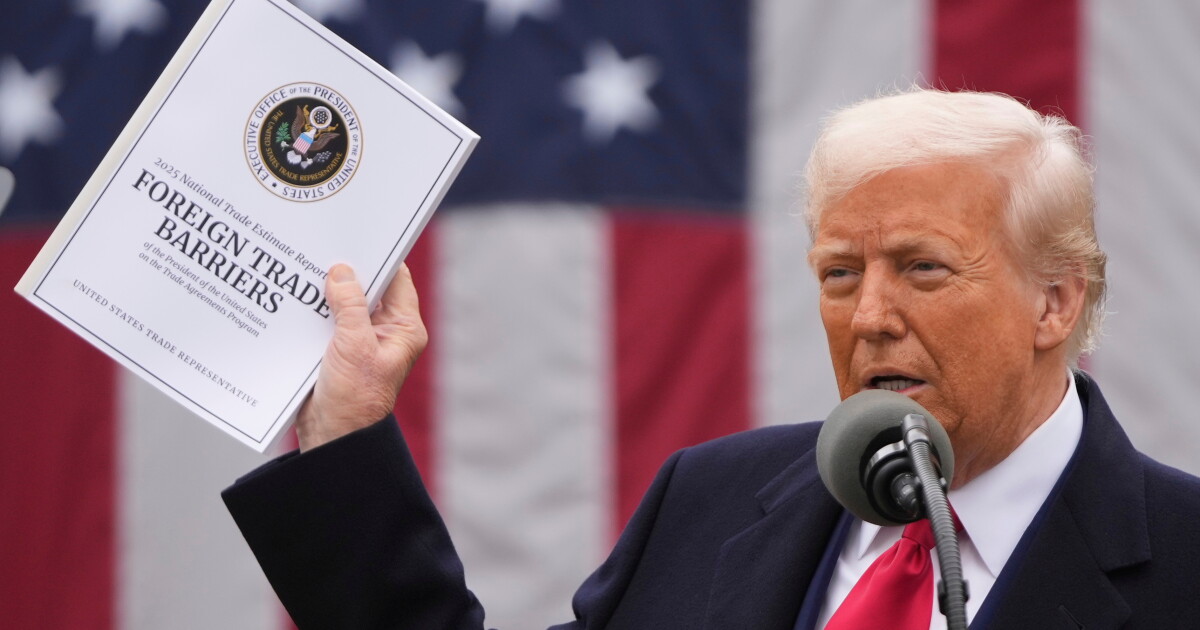
The increase in police interactions leading to immigration detentions coincides with changes in federal administration. During President Trump’s term, calls from local police to immigration officials surged, reflecting a shift in federal priorities. This trend was particularly noticeable in areas where Trump’s support was strong, such as Shelby Township and Sterling Heights.
Local decisions play a crucial role in how these interactions unfold. While some departments, like Van Buren Township, use federal agencies as resources for ID checks, others, like Southfield, avoid involving immigration agents to maintain community trust.
Consequences for Families
The ramifications of these practices are profound for affected families. One family, separated after a traffic stop in Taylor, illustrates the human impact. The father, detained and deported, described the ordeal as traumatic, resulting in his family opting to leave the U.S. through a “self-deportation” program.
Their story underscores the disparity in how local policies and individual officer decisions can dramatically alter lives, highlighting the complex interplay between local policing and federal immigration enforcement.
How we reported this story
We requested police reports from dozens of agencies, reviewed court filings, and scoured Border Patrol Facebook posts to document the scale of collaboration between local police and federal immigration authorities. Read more about our reporting process.
—
Read More Michigan News