New Initiative Maps Safe Water Sources on the Navajo Nation
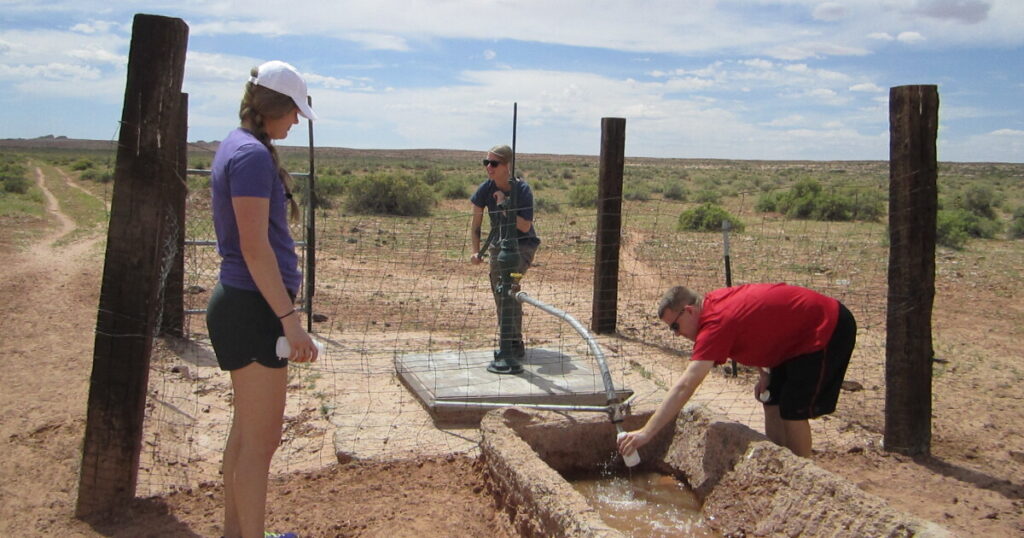
On a mission to improve water safety, Jani Ingram, a professor at Northern Arizona University and a member of the Navajo Nation, embarked on a journey with her student to locate a remote well near Black Falls. The well, used by a local family, showed concerning uranium levels, prompting further investigation. For years, Ingram and her team have been gathering water quality data to aid families across the reservation.
This data has now been incorporated into an online map outlining safe water wells across the Navajo Nation. The map aims to support communities affected by the lingering consequences of Cold War-era uranium mining, which has resulted in numerous environmental and health challenges.
Given the prevalence of unregulated wells, it is difficult for Navajo families to ascertain if their water sources are contaminated with uranium, a substance linked to severe health issues like kidney disease and bone cancer. The new map, developed with comprehensive water quality data, strives to address this uncertainty.
The resource, accessible on the Navajo Safe Water website, displays chapter boundaries with various indicators: yellow dots for fee-based water points from the Navajo Tribal Utility Authority, and blue and red dots for federally funded, free water points installed by the Indian Health Service CARES Act during the COVID-19 pandemic.
Ingram emphasizes the importance of informing communities when a well exceeds the U.S. Environmental Protection Agency’s safe drinking water standards. She notes that many wells, originally drilled by the Indian Health Service in the 1950s for livestock, tap into the Navajo and Coconino aquifers.
Encouraging the use of the website, Ingram hopes it will empower tribal members to make informed choices about their water sources. “I hope they’re able to choose what wells that they feel are safe as opposed to maybe one that’s close by but isn’t as safe,” she states, acknowledging the ongoing challenges of water access and safety.
While progress has been made, Ingram acknowledges that many tribal wells remain untested, a task she is committed to continuing at no cost.
—
Read More Arizona News